A slew of new data centre proposals threatens to tip Victoria’s power demand past total current supply and could send electricity bills rocketing as developers try to cash in on the artificial intelligence infrastructure boom.
In its latest planning report, the Australian Energy Market Operator (AEMO) has revealed connection enquiries for large industrial loads – mostly data centres in Melbourne’s north and west – have swelled to more than 18 gigawatts.

In a blunt assessment, the operator warned that if these projects proceeded, peak demand would “more than double” – an explosion it stated was “not possible” to support.
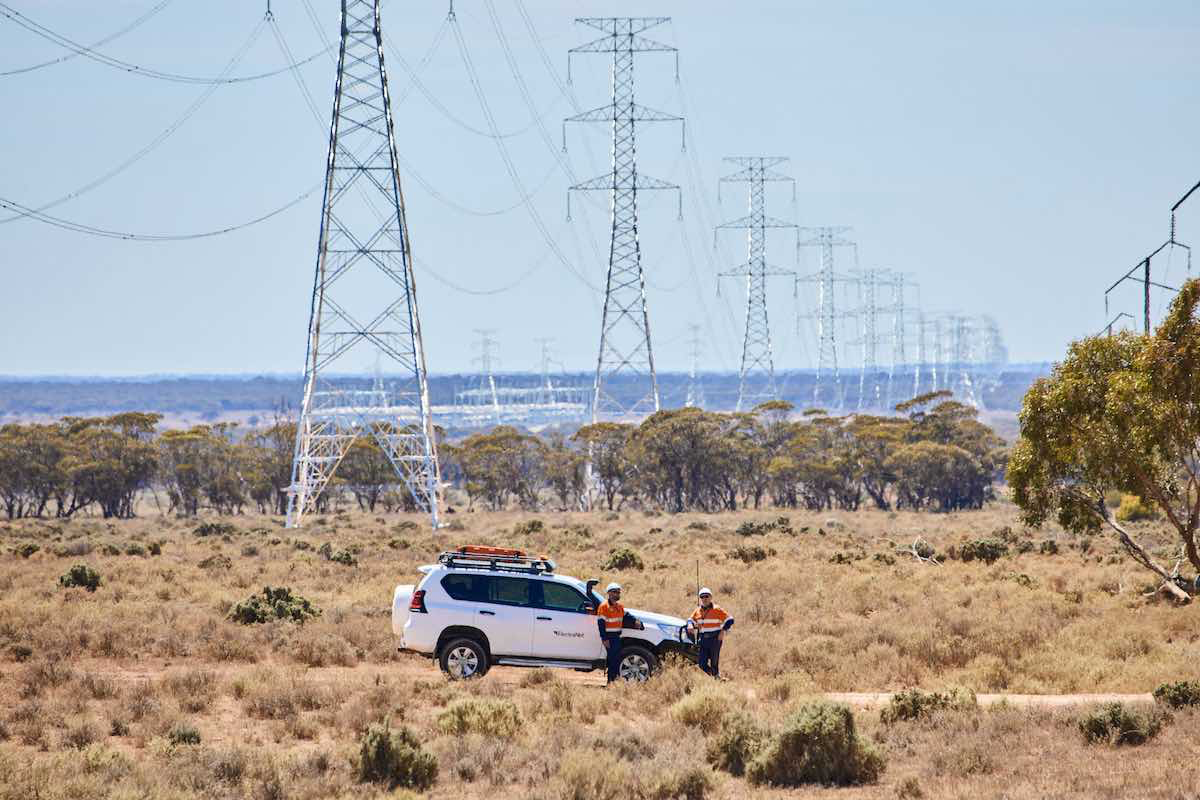
To manage even a fraction of this load, the report outlines the need for significant new infrastructure, including potential new terminal stations at Truganina, Donnybrook and Somerton. However, the AEMO noted there was “no certainty” regarding which projects would go ahead.
Energy experts are now urging the Allan government to intervene and charge developers for the extra burden placed on networks. They also warn that demand is, in part, being fuelled by developers inflating power needs to secure permits they intend to sell.
Victorian network operator AusNet revealed it is assessing a pipeline of more than 10 gigawatts of data centre connection requests – a figure that the Victoria’s auditor-general has said could exceed demand above the state’s current supply capacity.
However, the energy giant warned the market operator that this unprecedented level of interest was being driven partly by applicants lacking “demonstrable experience” in the sector.
Leading energy market expert Professor Bruce Mountain has warned that Victoria’s data centre boom has the hallmarks of a gold rush, fuelled by speculative developers overstating their power needs, seeking to secure grid approvals to create options they hope to on-sell.
He said the “enormous” and “breathtaking” connection figures received by AusNet and AEMO defied reality.
“Hopeful developers have an incentive to overstate their prospects to create options to later sell,” Mountain said. “There will be a huge gap between the total electrical demand of those proposals and what actually gets developed.”
Mountain, the director of the Victoria Energy Policy Centre, warned of a misalignment of incentives: developers want valuable permits, the government wants to facilitate those applications in the name of economic growth, and network monopolies are eager to expand their regulatory asset base to boost profits.
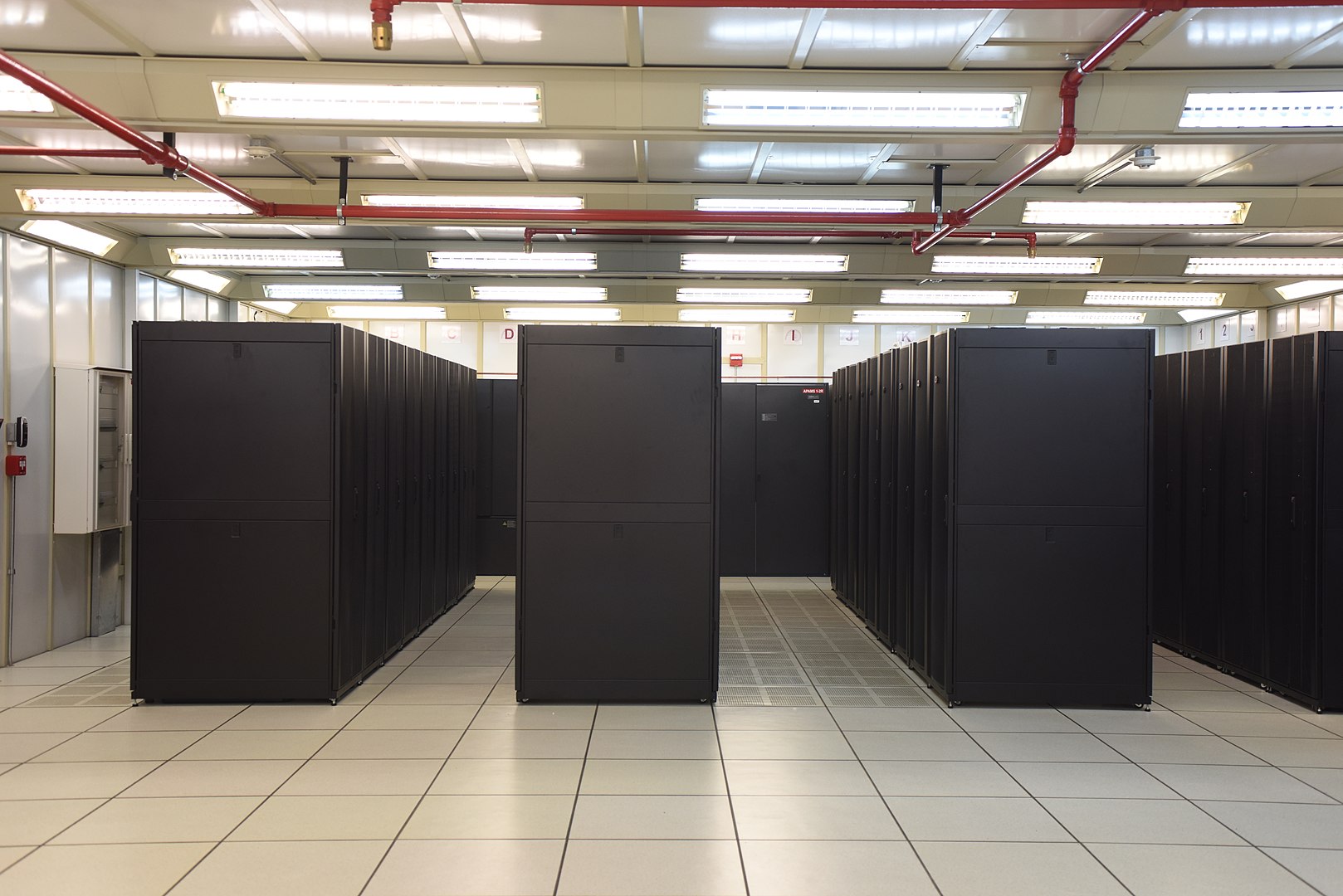
Fuelled by the explosive growth in cloud computing and AI tools such as ChatGPT, data centres are massive industrial warehouses filled with the servers and storage needed to process vast amounts of digital information.
These sites not only have a massive thirst for electricity, but also use huge amounts of water to cool servers down.
Data centres have also emerged as a shining light in Victoria’s economy, driving a surge in commercial building investment that has kept construction pipelines going amid a broader market slowdown, according to the budget update released this month.

But if billions of dollars’ worth of grid upgrades are completed for demand that never materialises, Mountain says it will be Victorian households and businesses that could be left paying the bill – a repeat of the “gold-plating” of the past, when electricity distribution networks overinvested in poles and wires in the name of demand growth that never materialised.
“If policymakers and network companies fail to be disciplined in sheeting back augmentation expenditure to these data centre companies, then we’ll end up with exactly the same problem of wasted overcapacity we have had,” he warned.
Mountain says that to protect consumers a system of financial bonds and minimum payment obligations should be introduced. This would ensure that if a data centre failed to consume the power it promised (and so generate the promised revenues), the developer – not the public – would remain responsible for the network costs.
It is the only way, he argues, to “sort the wheat from the chaff” and ensure realism.
“I get a little bit weary when I hear of government’s promising expansion,” Mountain said. “This Victorian government has shown great willingness to pass costs on to others in pursuit of its own policies.
“The government must protect consumers.”
Premier Jacinta Allan has vowed to make Victoria the data centre capital of the country and secure data centre jobs. Despite this, the government has so far been silent on how it will protect consumers and ensure centres are forced to pay for the extra burden they place on networks.
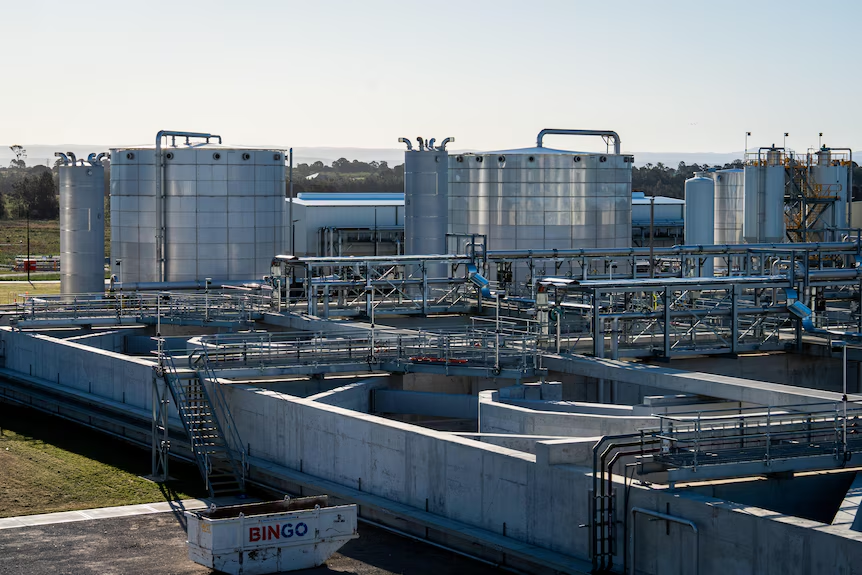
Melbourne Water said it was fielding applications from hyperscale data centres that required more water for cooling than nearly all the city’s top 30 business customers, a “massive” spike in demand that was missing from its long-term forecasts.
It said that to ensure this pressure didn’t result in higher bills for the broader community, it would be “prudent” for tech companies to pay upfront for the infrastructure upgrades required to support them.
A spokesperson for Energy Minister Lily D’Ambrosio did not address questions about the demand of data centres on Victoria’s grid, nor did they answer questions about whether the state government was developing any mechanisms to charge operators.
However, D’Ambrosio joined her interstate counterparts at December’s Energy and Climate Change Ministerial Council to order a review to ensure data centres pay for network upgrade costs.
“Our focus is on securing the state’s water supply, while also supporting the tech and innovation industries to grow local jobs and our economy,” the spokesperson said.
“An expert review is being undertaken by DEECA [the Department of Energy, Environment and Climate Action] and VicWater, the industry peak body, to ensure existing water use policies for large industrial users, including data centres, keep pace with this rapidly emerging sector.”
An AusNet spokeswoman said Australia’s network regulatory arrangements had in-built safeguards to ensure data centre developers funded 100 per cent of the costs associated with their connection to the transmission network (i.e. individual connection costs).
“This includes funding the establishment of new terminal stations or zone substations required to facilitate their connection,” she said.
The Age – December 2025