Melbourne’s new Metro Tunnel has been called “the biggest transformation of our rail network in 40 years”, but don’t throw away your train timetable just yet.
The opening of the $15 billion underground train line on Sunday deserves celebration as the first piece of major public transport infrastructure the city has had in decades, but it won’t be a game changer without more frequent services and continued investment.
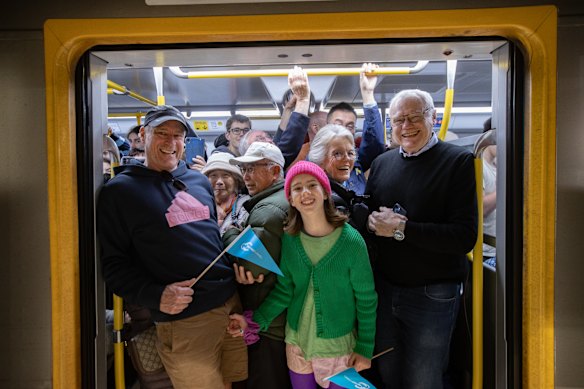
Before boarding the first train through the tunnel, Premier Jacinta Allan said it was “bloody amazing” and described the Metro Tunnel as “a fairness project that will connect people to jobs, to services, to university education”. Lord Mayor Nick Reece said the Metro Tunnel would “transform the city”.
The Metro Tunnel, a project 17 years in the making, opens up new connections across the city, particularly for passengers travelling to the hospital’s precinct, Melbourne University and the Botanic Gardens.
There were smiles all round on its first day of operating as even the most hardened cynics turned into train enthusiasts – or “gunzels” – for the day.
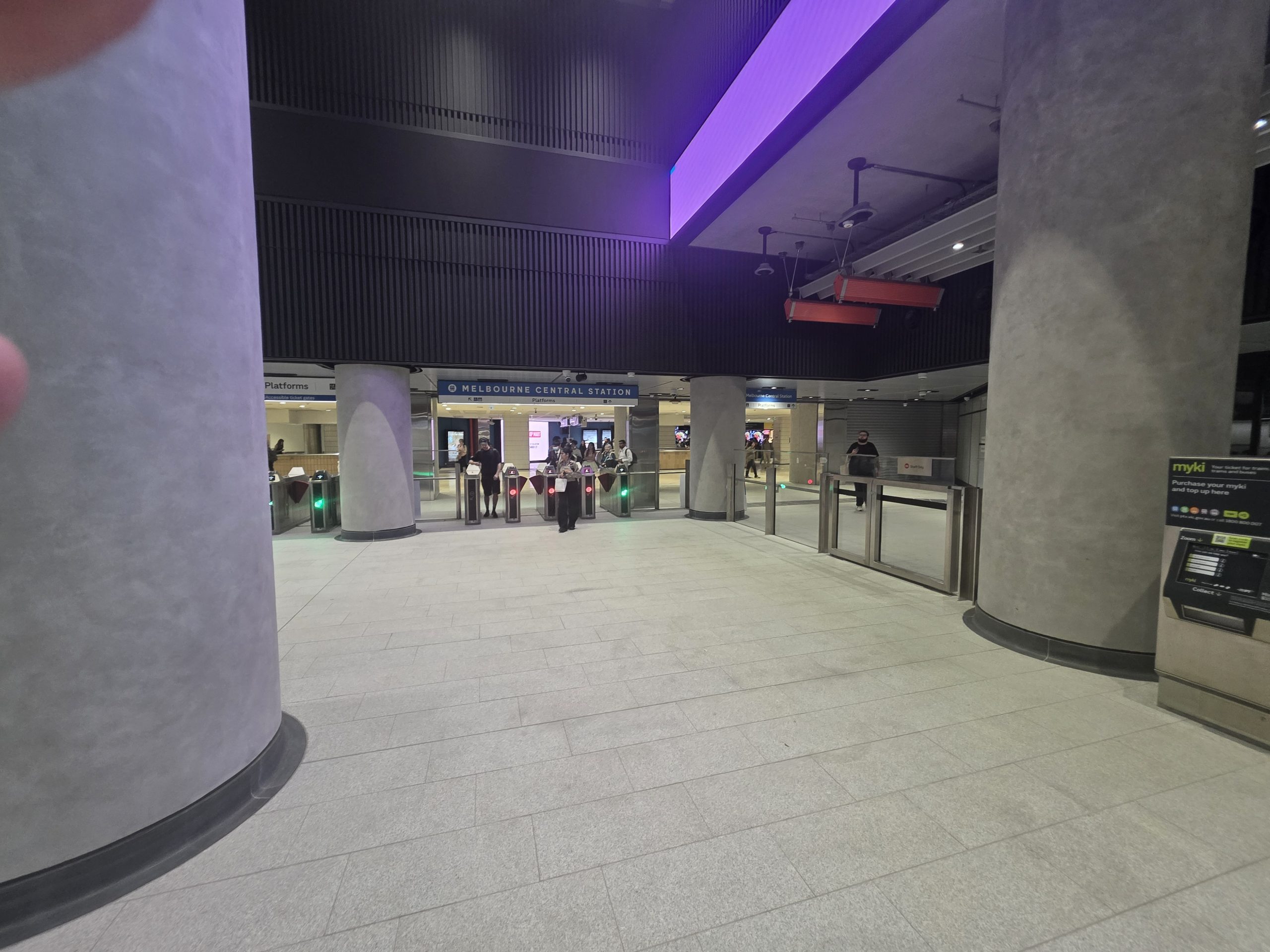
The new stations, described by their architect as “underground cathedrals”, are spectacular, with soaring ceilings, exposed concrete and pops of bright yellow and orange metal.
The stations highlight Melbourne’s artists through installations, such as the large Patricia Piccinini mosaic artwork Vernal Glade, which runs along the wall of the Parkville station with its retro-looking colourful ceramic tiles.
The trains on the Metro Tunnel will operate for only five hours a day for the first two months, and trains will run every 20 minutes outside the peak periods.
Testing has been done for the trains to operate at a frequency of every three minutes, but the government has given no indication of what the timetable will look like beyond February.
The clearest indication is that we might expect off-peak services every 10 minutes, which is good for Melbourne – where train waiting times can sometimes stretch to 40 minutes – but not by global standards.
High-frequency services for which you don’t have to look at a timetable and can just turn up to the station are what is really needed to coax car-obsessed Melburnians out of their four-wheel-drives and onto the train.
Nathan Pittman, education fellow in transport planning at the University of Melbourne, says if the Suburban Rail Loop is eventually built it will provide a way for people to travel between suburbs rather than only into and out of the city, but the Metro Tunnel as it stands does not provide this type of connectivity.
The Age and Commentary