Rail passengers are being thanked for their patience after further work to progress the digital signalling upgrade took place on the East Coast Main Line.
Journeys south of Peterborough were affected over the weekend of 22 and 23 November by testing work on the new digital in-cab signalling system that will be introduced in the coming years through the £1.4 billion East Coast Digital Programme (ECDP).
ECDP will replace lineside ‘traffic light’ signals replaced with continuous in-cab signalling information through the European Train Control System (ETCS), enabling more punctual and reliable journeys for passengers in the future.
Ricky Barsby, Network Rail head of access integration, ECDP, said:
“More work has been done towards the introduction of modern in-cab digital signalling that will deliver a better railway for passengers. We have made a big step forward with our testing programme with us now doing simultaneous train movements under ETCS control.
The opportunity has also been taken to progress vital work to the track and lineside on the East Coast Main Line. We’re sorry to passengers whose journeys were affected over the weekend, and thank them for their patience.”
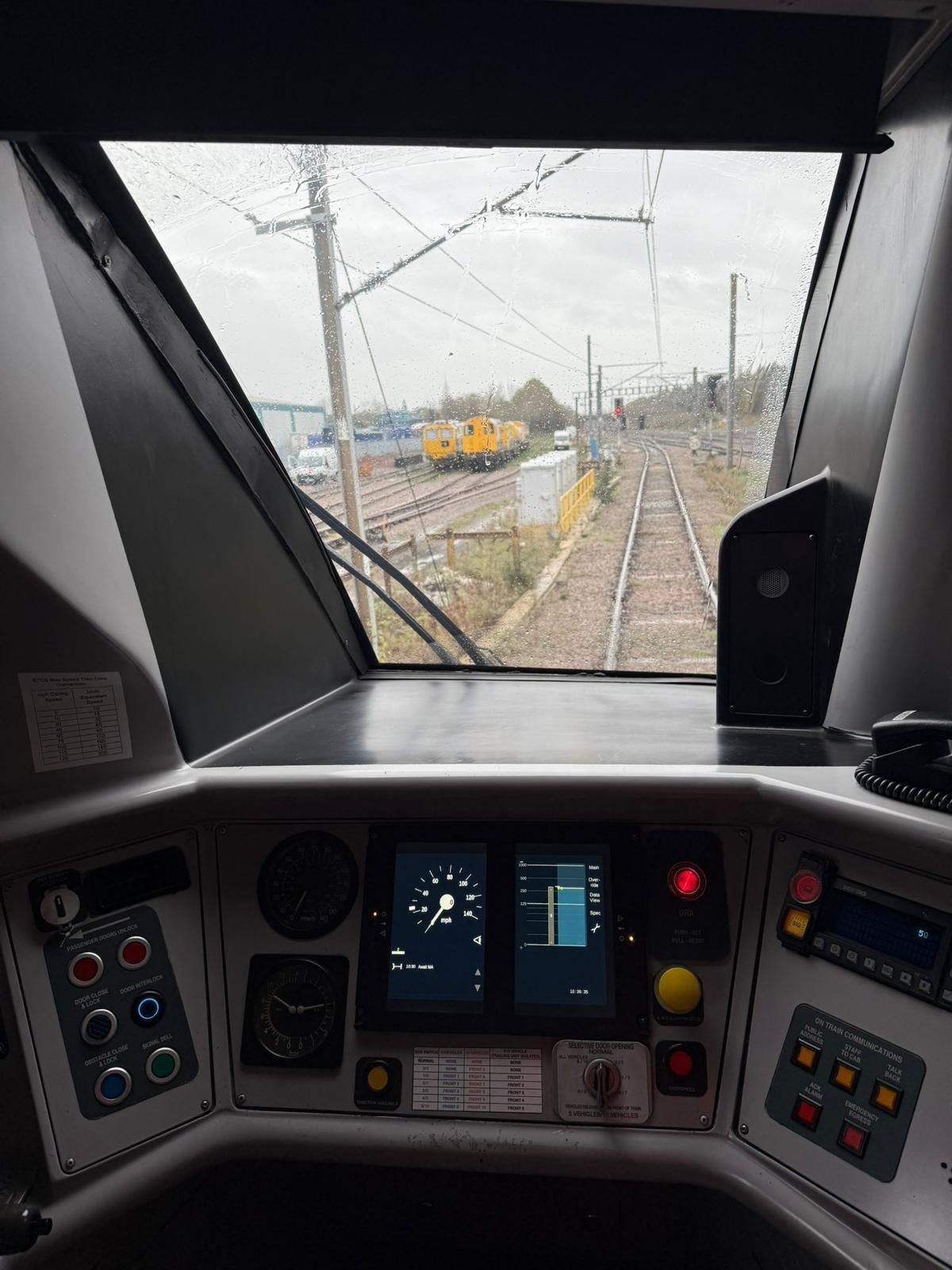
The testing over the weekend saw ECDP achieve a landmark with the first instance of two trains operating with ETCS at the same time on an inter-city main line in this country.
This was achieved involving two Great Northern Class 717 commuter units. The weekend also saw testing involving a Grand Central Class 180 unit, and data updates across different elements of the ETCS system (trackside interlocking and also the Radio Block Centre, proving desk and signaller screens at York Rail Operating Centre).
Work also took place enabling balises (trackside beacons that communicate with the train) to be ‘unshielded’ (i.e. left switched on), which will enable future testing periods to be more efficient.
Other work taking place over the weekend included track renewal at Letchworth Garden City, rerailing at Welwyn and Wymondley and drainage improvements at Stevenage.
Matt Kent, Siemens Mobility’s director of operations – rail infrastructure, commented:
“For the first time, two GTR trains have operated simultaneously under ETCS control on a UK intercity main line, a landmark moment achieved with our Siemens-built Class 717 units on the East Coast Main Line.
“Working closely with Network Rail and our partners across the ECDP programme, we are proud to be delivering the in-cab digital signalling system that will transform rail travel and transport and enable more punctual, reliable, and efficient journeys for passengers on one of Britain’s most critical rail corridors.”
The next set of ECDP work significantly affecting passengers will be at the end of January. Further dates of upcoming work can be found by clicking here.
Raj Patel, Govia Thameslink Railway’s head of digital signalling, commented: “A lot of collaborative work between Govia Thameslink Railway (GTR) and our partners goes into ensuring we can make the most out of these short testing windows.
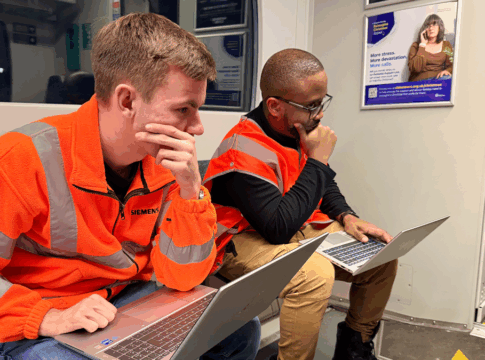
“The combined expertise of our GTR test drivers and specialists alongside colleagues from Siemens and Network Rail mean the test crew can work together as one integrated team on the night – partnership working truly in action.
“I’m happy to see that we had a lot of successful tests on all the trains and can continue working towards switching on ETCS between Welwyn and Hitchin next year to bring more reliability and even better safety to our passengers.”
Passenger services are expected to begin using digital signalling through the Welwyn to Hitchin section in 2026.
Image credit: Network Rail