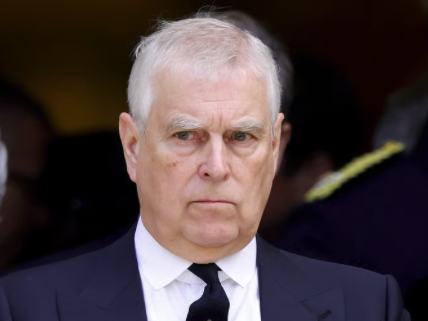
The British aristocracy has always seen talking about money as a little bit grubby. But the scandalized Prince Andrew is forcing the issue front and center.
King Charles’ transgressive younger brother is facing torrid headlines over his friendship with pedophile Jeffrey Epstein.
And the revelation in The Times this week that he appears to be living rent-free in a vast lodge is prompting a barrage of wider questions about the way Britain’s royals are funded.
In the House of Commons Wednesday, Britain’s center-left Prime Minister Keir Starmer did nothing to tamp down opposition calls for an inquiry into whether taxpayer interests are being protected when it comes to Andrew, who stepped back from Royal duties in 2019 and gave up key titles just last week.
“It is important, in relation to all Crown properties, that there is proper scrutiny,” Starmer said.
On Thursday, Geoffrey Clifton-Brown, chair of the House of Commons Public Accounts Committee — parliament’s public spending watchdog — said he would be requesting more information on Andrew’s Royal Lodge agreement.
The scandal has sent questions about royal finances rocketing up the U.K. political agenda, just months before a scheduled review of a key part of the arrangement, known as the Sovereign Grant, kicks off.
Andrew’s living arrangements are part of “much, much wider problem” with a system of royal finances, which is still mired in secrecy, said Margaret Hodge, the U.K. government’s anti-corruption czar.