Rail journeys on the West Coast Main Line through Staffordshire have been improved thanks to major railway upgrades this August.
Network Rail has invested £12.5 million renewing tracks, points, bridges and viaducts over the last three weeks.
The work took place during a rare 21-day closure of a 50-mile stretch of the route from Stone through Stoke-on-Trent to Stockport where a major £20 million bridge project was carried out.
With no train traffic on the tracks, hundreds of railway workers from Network Rail and its supply chain were able to complete the essential infrastructure upgrades, including:
- Refurbishment of the River Trent Viaduct – structural and waterproofing improvements, including new concrete slabs and upgraded drainage.
- Track renewal at Stone station – 22 track panels replaced, 2,500 tonnes of ballast refreshed, and over 50 new rails installed.
- Level crossing upgrades – Meaford, Church Lane, and Aston-by-Stone crossings were upgraded to improve safety and infrastructure resilience.
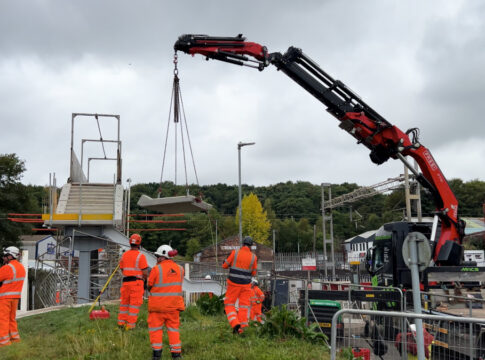
- Longport station footbridge – ongoing improvements to staircases, concrete work and repainting.
- 500 metres of track and drainage improvements near Trentham.
- 250 metres of track upgrades near Hixon.
Those projects were carried out between 2 and 22 August with trains running on the line again on Saturday 23 August.
Network Rail has released footage of the upgrades which took place in Staffordshire.
Steve Hopkinson, Network Rail’s West Coast South route operations director, said: “I would like to thank passengers and local people for their patience while we carried out this major programme of investment in Staffordshire. Our upgrades will help to future proof this important rail corridor, improve safety and help us to deliver better journeys.”
Meanwhile over the recent August bank holiday, the West Coast Main Line south also saw improvements delivered.
Workers installed 300 metres of new drainage just north of Leighton Buzzard station.
As this section of railway has been prone to flooding during heavy downpours, the new drainage aims to reduce that risk and keep trains moving during bad weather.
Image credit: Network Rail