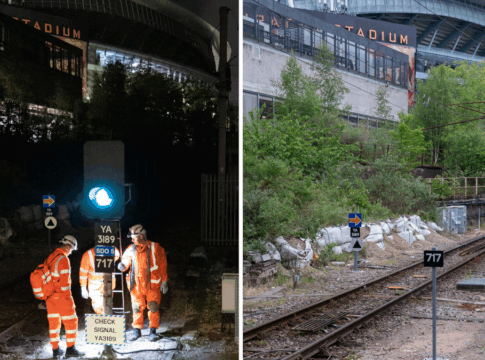
The Great Northern ‘Northern City Line’ to the City of London has become the UK network’s first-ever commuter railway to operate without signals at the side of the track, heralding a major milestone in the national deployment of cutting-edge digital technology.
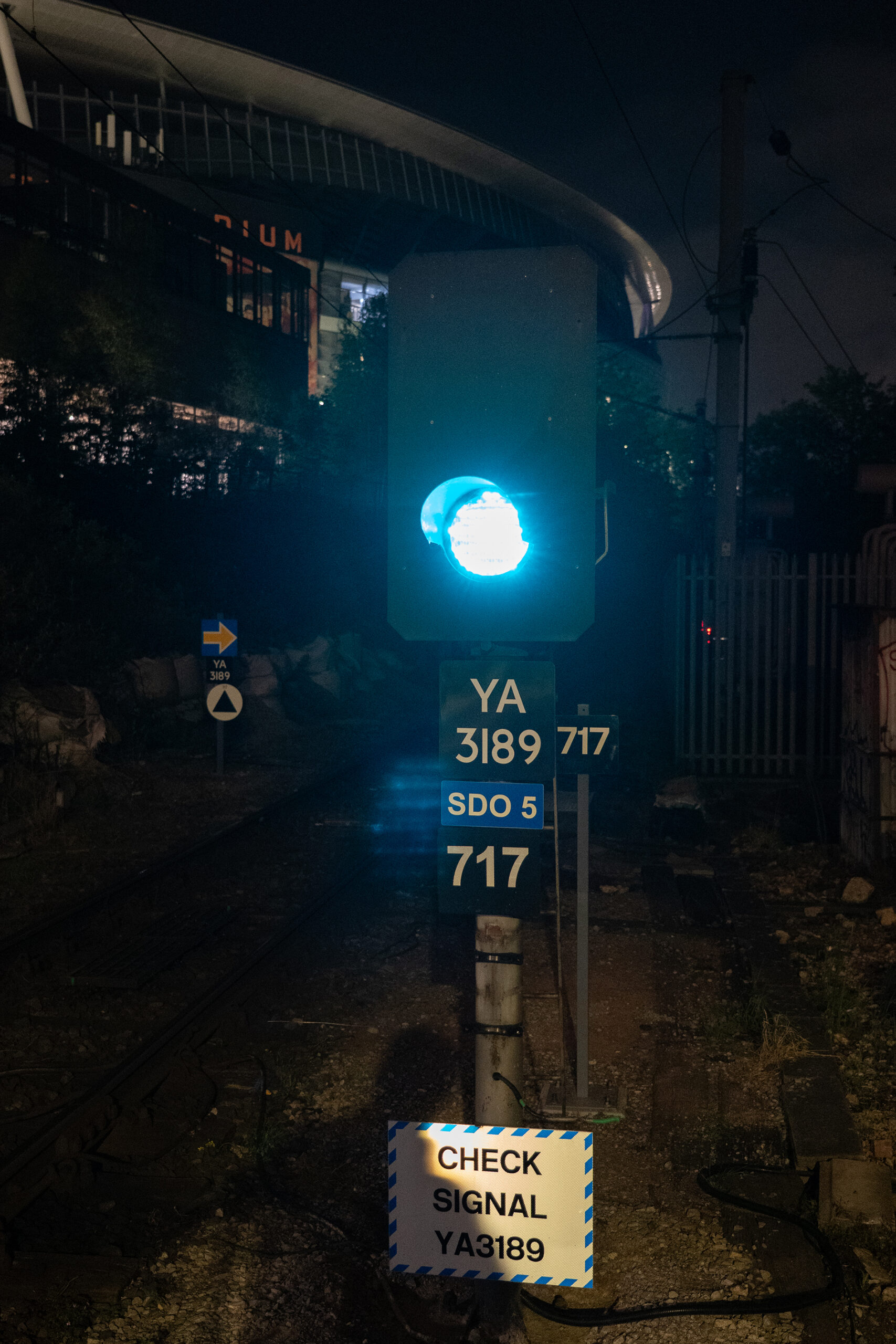
These signals were removed from the system at the weekend (17/18 May) as part of the Government-funded £1.4 billion East Coast Digital Programme (ECDP).
Traditional signals have been used in one form or another since the route between Finsbury Park and Moorgate opened 121 years ago. In their place, drivers are being told how far and how fast they can travel on an in-cab train computer screen that is fed information from a digital signalling system known as ETCS (European Train Control System).
This digital signalling system will give passengers greater reliability and better punctuality. The system is also even safer and more environmentally sustainable as there is much less physical equipment to produce and maintain.
Oliver Turner, head of ERTMS and digital signalling at Govia Thameslink Railway, commented: “This is a huge achievement, doing away with signals and moving to digital control on such an intensive commuter route. It was 200 years ago that the modern railway was born and ever since then there’s always been something physical at the side of the tracks.
“In terms of modern signalling this is as cutting edge as it gets; it’s like moving from a Nokia 3210 to an iPhone 16. It effectively allows our drivers to see around corners by telling them how far and how fast they can travel. They can drive more smoothly and efficiently, to the best of the train’s capabilities, helping them arrive on time and doing so in even greater safety.
“Our train crews have been brilliant in the way they’ve migrated to this new way of working and taking on board a lot of new learning and I am also incredibly proud of the team here at GTR for what they’ve achieved alongside our industry partners.”
Ben Lane, infrastructure lead and ECDP project director at Siemens Mobility UK&I commented: “This weekend, our engineering teams began removing lineside signals from the Northern City Line – a visible sign of how digital technology is transforming our railways. By integrating our ETCS solution with our Siemens Mobility Class 717 trains, we can see how important it is to bring track and train together.
“We will now see further benefits of ETCS on this route – from reduced maintenance and fewer disruptions to smoother, more reliable journeys for passengers. This achievement sets the standard for digital rail transformation across the UK and shows what’s possible when industry partners collaborate to put passengers first.”
A no-signals railway was introduced as an early pilot on the rural Cambrian line in 2011. This is the first time it has been introduced on a high-frequency metro railway. With work now under way to extend the system on to the East Coast Main Line and emerging plans to introduce it elsewhere in the country, digital signalling is projected to create significant cost savings long-term and play a key part in the future of the railway.
Passengers have seen dramatic advances on the Northern City Line, which runs mostly underground, serving six stations on its 3.5-mile route between Finsbury Park and Moorgate.
Delivering such a change across track and train requires industry wide collaboration, and this initial project has proven the success of the unique delivery model involved.
As recently as six years ago, Govia Thameslink Railway (GTR) was operating Great Northern services along the route with the UK’s oldest mainline electric trains (Class 313s that entered service 42 years earlier, in 1976), on a signalling system that worked with air-operated ‘trip cocks’.
Since then, GTR has introduced a £240 million fleet of digitally-enabled Class 717 units, and Network Rail and Siemens Mobility have comprehensively replaced and upgraded the signalling infrastructure. Many months of testing and commissioning has followed alongside extensive driver training.
Industry experts have highlighted the transformative change as symbolic for the industry as it celebrates the 200th anniversary of the birth of the modern railway in 1875.
Image credit: GTR