International intermodal traffic is already the biggest single commodity carried by British rail freight. Now it could also be the fastest growing sector. A list of recent new flows, and intermodal growth targets, point to many more boxes on the rails in future.
Intermodal freight lifted from British ports stood at just over 1.6 million net tonne kilometres at the last count (December 2024). Since then, it’s been steadily increasing, and next month’s figures should show a further increase in that primary metric. Only established aggregate flows, from British quarries, match that figure for weight. However, it’s the volume of boxes that has the most potential to surge ahead.
Prominent freight constraint
Freight capacity remains a continuing issue for British rail operations. In contrast to European concerns, reported by RialFreight.com, boxes in Britain continue to move by rail – in as much as the network will allow. Several well-reported pinch points exist on the network, many of which constrain freight development. The West Coast Main Line in its entirety is often cited, along with the Castlefield Corridor in central Manchester. However, Ely, in the east of England, is the most prominent freight constraint.
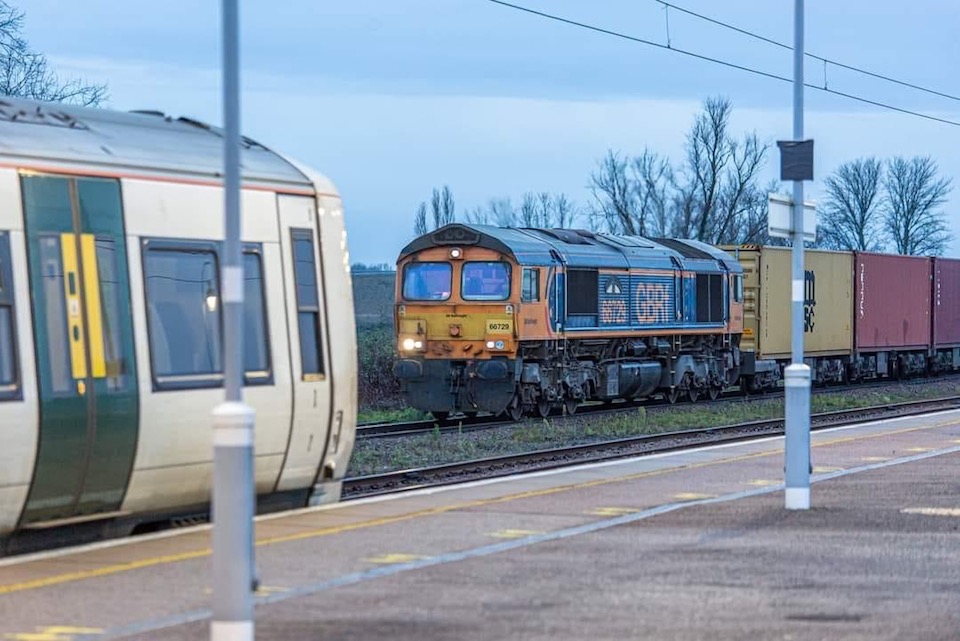
The historic cathedral city, in the Cambridgeshire Fens, is at a complicated confluence of railways, including those that serve Felixstowe. Most days, container trains are more frequent visitors to the town than tourists. A plan exists, the Ely Area Capacity Enhancement, which awaits only one thing: funding.
Planning approvals
Not all projects are waiting for cash from the Treasury. Only last week, Direct Rail Services began operations on a five-days-a-week intermodal flow from Teesport to Manchester. As reported here on RailFreight.com, the flow is working on a trial basis for twelve weeks. That new east-west flow across the north of England stresses the importance of capacity on the Transpennine Route.
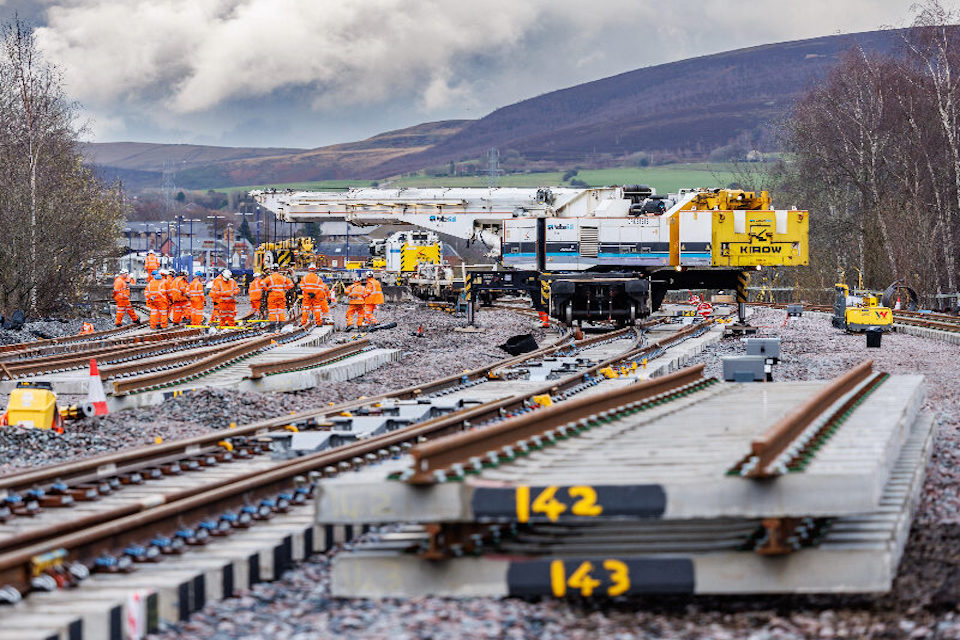
The highly-publicised Transpennine Route Upgrade, currently underway (reported on RailTech.com), should provide extra paths for freight. Although the project is passenger-led, Network Rail has been eager to emphasise the benefits for freight. That said, business interests have argued for even more provision for freight, not least to help address road congestion and connectivity in the region. Of course, everyone knows where Transpennine operations are constrained most of all. The planning approval for Intermodal Logistics Park North, at Newton-le-Willows, announced last month, could help take freight out of that intractable equation.
Shortage fuels growth
The UK government has said its economic policy now prioritises growth, but it has not abandoned environmental commitments. The East West Rail project, between Oxford and Cambridge, which now includes a tolerance for freight, was given firm backing by the UK government. The stars could be aligning for rail freight development, even if the financial impetus may not come from cash-strapped Westminster.

Ironically, what may drive freight growth most of all, is Britain’s severe shortage of warehousing. Addressing that issue has helped stimulate a raft of logistics park developments. These fields of warehousing have rarely met with favour from local interests. The UK planning process has meant that many projects have been held up for years. However, the inclusion of rail freight facilities has helped get several proposals over the approval line. It’s worth noting that there is no road equivalent of the Strategic Rail Freight Interchange designation. Boxes on rails are only likely to grow as a result.