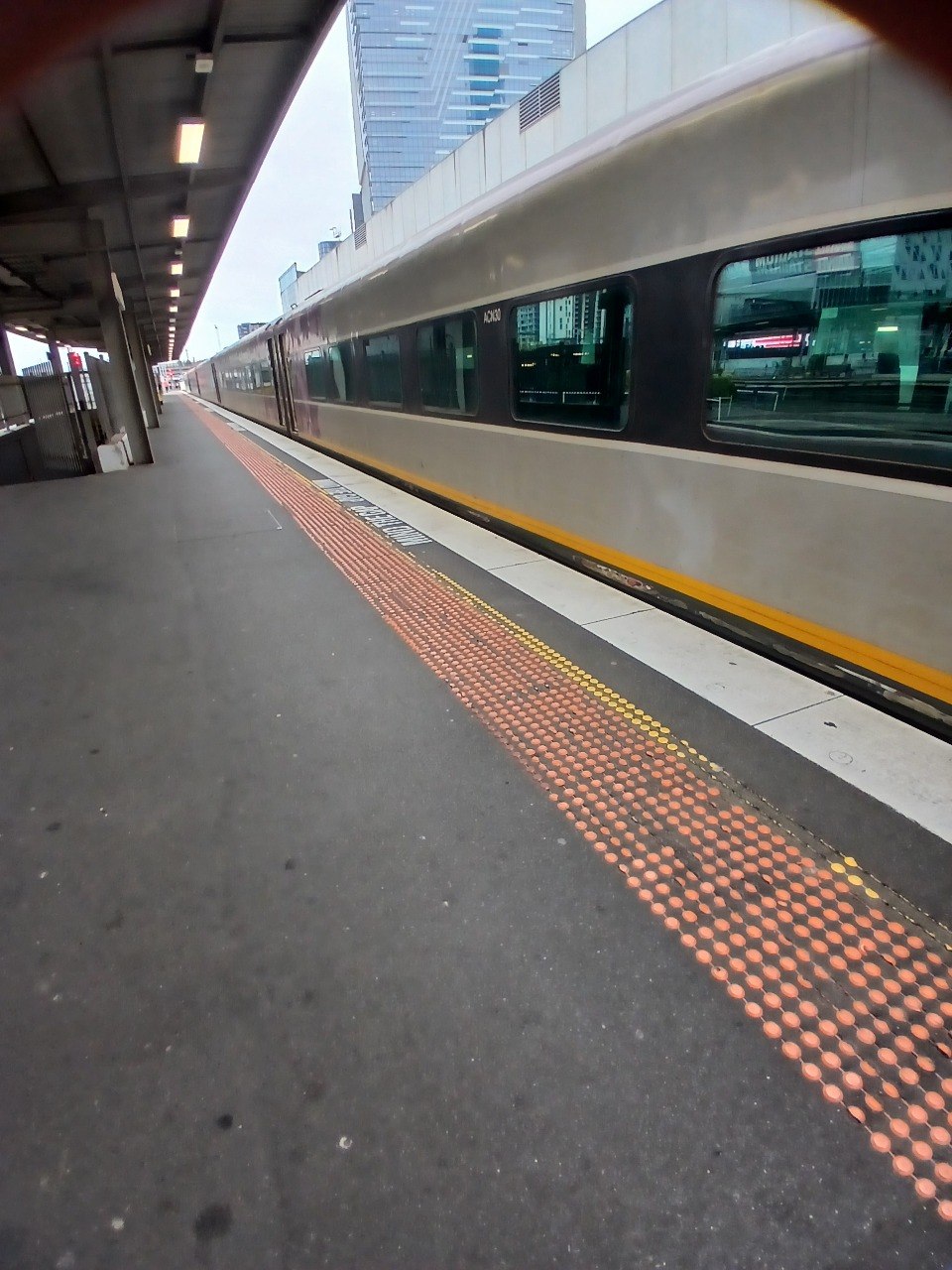
How much longer are regional passengers expected to put up with an increasingly unreliable V/Line service?
For many Victorians who depend on regional rail services, travelling by train has become an exercise in uncertainty. Delays, cancellations, replacement coaches and confusing passenger announcements are increasingly testing the patience of commuters and regular travellers.
The latest example, highlighted in VibeWire’s article “Broken Rail chaos at peak hr Bendigo Line!“ published on 19 November 2026, provides another illustration of the challenges facing V/Line and its passengers.
The disruption described in the article, involving a broken rail and replacement coach arrangements affecting the Bendigo Line, raises some serious questions about operational coordination, passenger communication and the overall reliability of regional rail services.
Passengers deserve accurate and timely information
One of the most frustrating aspects of the incident was the apparent uncertainty surrounding which services were operating, where replacement coaches were required and whether some trains would actually depart.
Passengers were left trying to make sense of changing announcements and conflicting information while attempting to get to their destinations during the morning peak.
The VibeWire article also describes uncertainty surrounding the 7:38 Swan Hill service, including confusion over its platform arrangements and whether the train would operate.
Ultimately, the service did depart, but the uncertainty leading up to departure highlights a problem that should concern V/Line management.
Communication during disruptions is just as important as the operational response itself.
Passengers should not have to rely on guesswork, conflicting announcements or information gathered through conversations with individual staff members to establish whether their train is running.
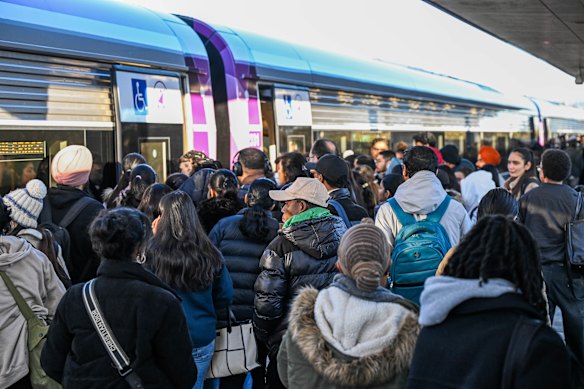
V/Line needs to ensure that information provided through station announcements, its website, social media channels and frontline employees is accurate, consistent and updated as circumstances change.
Delays and cancellations are becoming too familiar
Of course, railway infrastructure failures happen. Broken rails, signalling problems, equipment faults, police operations and other unexpected incidents can affect even the best-managed railway networks.
Nobody reasonably expects a railway to operate without ever experiencing disruption.
However, passengers are entitled to expect that disruptions are managed professionally, that services recover as quickly as possible and that every reasonable effort is made to minimise the impact on their journeys.
The bigger concern is the cumulative effect of these disruptions.
For regional passengers, a delayed or cancelled train is not simply an inconvenience. It can mean arriving late for work, missing medical appointments, losing valuable time with family or being left stranded while trying to organise alternative transport.
For those travelling longer distances, a disruption early in the journey can have a significant knock-on effect across the entire trip.
Replacement coaches are sometimes unavoidable, but they are rarely a comparable alternative to a properly functioning train service, particularly for passengers with mobility requirements, families, older travellers and those travelling with additional accessibility needs.
Frontline staff should not be left carrying the can
Another important point raised in the VibeWire article is the pressure placed on frontline employees during these incidents.
Station staff, conductors and other operational employees are often the people passengers turn to when something goes wrong.
They are also the people who frequently have to deal with understandable passenger frustration, sometimes without having access to complete or reliable information themselves.
It is unfair to expect frontline employees to absorb the anger and frustration resulting from operational decisions or communication failures beyond their control.
V/Line management needs to ensure its employees are properly supported with timely information, clear procedures and the resources necessary to manage disruptions effectively.
Accountability should sit with the organisation responsible for delivering the service, not simply with the employees standing on the platform trying to help passengers.
Regional Victoria deserves a reliable railway
There is a much bigger issue here than one broken rail on the Bendigo Line.
Regional Victoria depends on its rail network. Communities across the state rely on V/Line to connect them with employment, education, healthcare, businesses and essential services.
A reliable public transport system is fundamental to regional development and the quality of life of people living outside metropolitan Melbourne.
Passengers should not have to routinely build additional time into their journeys because they have little confidence that their train will arrive or depart as scheduled.
Nor should they have to accept that cancellations, lengthy delays and confusing disruption management are simply part and parcel of travelling regionally.
V/Line must be prepared to take a serious look at its operational performance, its disruption management processes and the way it communicates with passengers.
That includes examining whether enough is being done to improve punctuality, prevent avoidable cancellations, coordinate replacement transport and provide accurate information when things go wrong.
It’s time for greater accountability
The travelling public deserves more than apologies and notifications telling them that their service has been delayed.
Passengers deserve a railway operator that recognises the importance of their time and understands the impact that unreliable services have on everyday life.
While individual incidents may have different causes, the expectation should always be the same: a professional response, clear communication and a genuine commitment to restoring services as quickly as possible.
The Bendigo Line disruption documented by VibeWire is another reminder that there is considerable room for improvement.
V/Line cannot continue treating passenger frustration as an unavoidable consequence of railway operations.
Regional passengers deserve a reliable, punctual and properly managed rail service. It’s time V/Line stopped treating delays and disruption as business as usual and started demonstrating real accountability for the service it delivers.
Because at the end of the day, passengers aren’t asking for special treatment. They’re simply asking for the trains they rely on to run on time.

A very important and well-written article. Regional passengers deserve better, and reliable public transport should never be considered a luxury. The points raised about service reliability, communication and accountability are spot on. It’s also great to see recognition of the frontline staff who are often left dealing with passenger frustration despite circumstances beyond their control. Hopefully, this helps encourage meaningful action and improvements. Regional Victoria deserves a V/Line service it can depend on. Well said!