Network Rail has named Britain’s ten most-bashed railway bridges in 2025/26 to mark Road Safety Week 2026 (15-21 November), urging drivers and transport operators to ‘Wise Up, Size Up’ by checking vehicle heights and planning suitable routes before every journey.
The latest figures show that 1,706 bridge strikes were recorded between 1 April 2025 and 31 March 2026 – around one every five hours. The incidents caused 185,319 minutes of delays to rail passengers and cost around £13.25 million in delays, cancellations, and repairs.
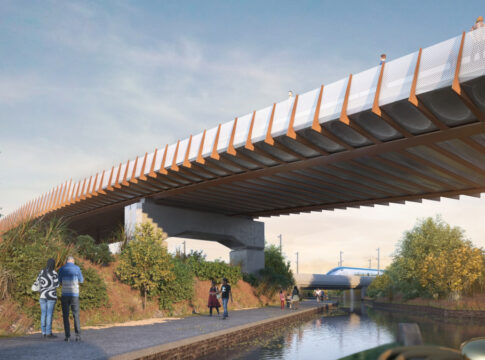
Watling Street railway bridge on the A5 in Hinckley, Leicestershire, topped the 2025/26 list with 26 strikes.
In December 2025, Network Rail began a three-month trial of new technology designed to support faster assessment of bridge strikes. In partnership with BES Group, cameras and impact sensors were installed at Harlaxton Road bridge in Grantham to provide real-time alerts and capture data and video footage following a collision.
During the trial, the technology detected bridge strikes and provided engineers with information that could support a quicker assessment of potential damage on most, but not all, occasions. Network Rail is using the findings to refine the technology, maximise its benefits and assess its potential for future use.
Alongside technology, Network Rail works with local authorities on prevention and protection measures, including protective beams, improved height-warning signs, road markings and height-restriction goalposts. At Bishton Road bridge in Newport, Network Rail worked with Newport City Council to install goalposts on both approaches to help prevent over-height vehicles from reaching the structure.
Bridge strike champions across Network Rail’s routes also visit haulage businesses, raise awareness of the risks and encourage operators and drivers to check vehicle heights and plan suitable routes before setting off.
Network Rail continues to work with haulage and logistics operators, local authorities, the Driver and Vehicle Standards Agency (DVSA), National Highways and other transport bodies to improve awareness, share guidance and reduce the risk of bridge strikes.
Martin Frobisher, Network Rail’s group safety and engineering director, said: “A bridge strike is never a minor incident. It can put drivers, passengers and railway staff at risk, damage vital infrastructure and cause significant disruption while our engineers make sure the railway is safe.
“During Road Safety Week, we are asking drivers and operators to take simple steps before every journey: know the height of the vehicle, check the route and pay close attention to bridge restrictions. We’re also working closely with industry partners, local authorities and haulage businesses, using technology and physical prevention measures to help stop strikes happening and respond more quickly when they do.”
Mohammad Raza, Senior Structures Advisor at National Highways, said: “Bridge strikes can cause substantial damage, lengthy delays on our roads and even injuries so we are working with various partners to help prevent these incidents.
“We continue to support developer Mountpark on their scheme to lower the A5 beneath the Hinckley bridge and reduce the risk of further strikes at this location. But it is important to remind drivers that they must plan their journeys, secure loads and know their vehicle height – as well as taking account of any height restrictions on their route.”
Image credit: Network Rail