Part 2 of the Series: The New Zealand Data Centre Boom
For as long as New Zealand has been connected to the global internet, its digital umbilical cord has been firmly anchored in the upper North Island. Auckland has long been the nation’s sole gateway to the world, funnelling every byte of international data through a tight concentration of subsea cable landing stations.
While this centralised model served the country well during the era of basic web traffic and streaming, it introduces a critical systemic vulnerability. A major seismic event, infrastructure failure, or capacity bottleneck in Auckland could effectively isolate New Zealand digitally from the rest of the world.
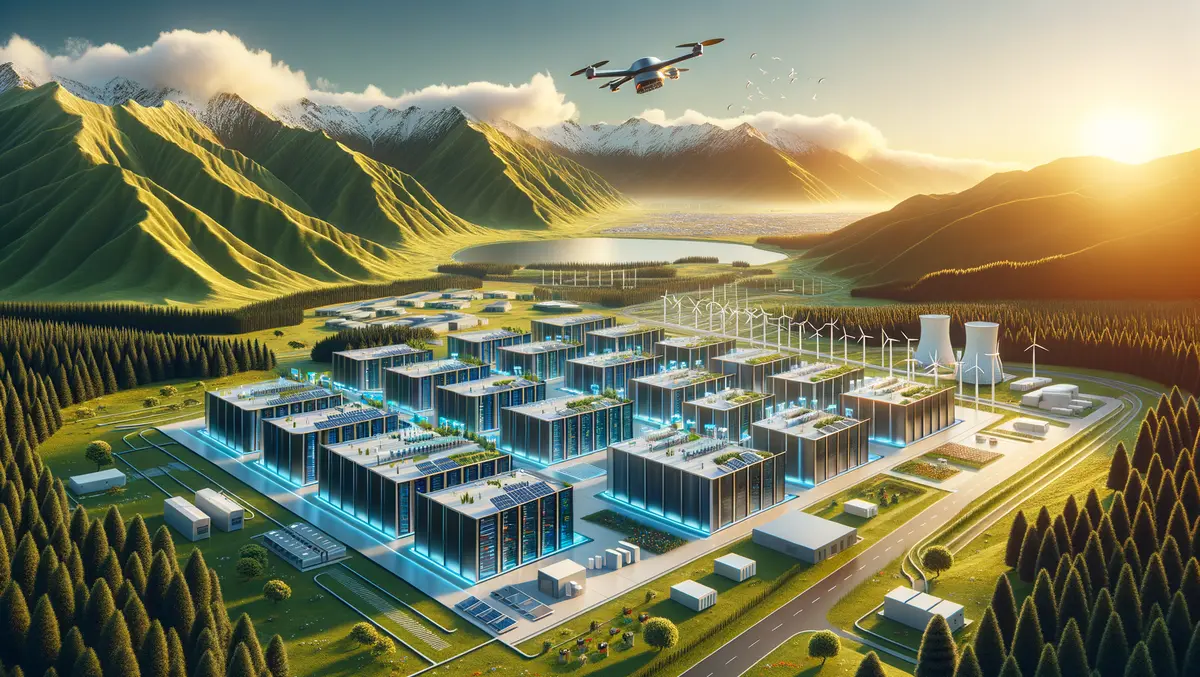
As the South Island rises as a premier destination for hyperscale AI infrastructure, this geographical concentration has hit a hard ceiling. To fuel a multi-megawatt AI data centre park like Southland’s Makarewa campus, local compute requires more than just clean power—it demands a brand-new, completely independent pathway to the global grid.
The Death of the Monopolistic Gateway
Early visions for southern connectivity often leaned heavily on expansive, multi-stop mega-loops like the original “Tasman Ring” concept, which aimed to tie together multiple domestic and international ports in a single stroke. But as major infrastructure players re-evaluate commercial realities and investment criteria, the strategy has shifted from speculative blueprints to pragmatic execution.
Rather than waiting for a complex, multi-leg pan-Tasman network, developers have pivoted to direct, high-impact architecture: a committed point-to-point subsea cable connecting Invercargill directly to Victoria, Australia.
Engineering the Southern Pipe
Handed to global heavyweights Alcatel Submarine Networks (ASN) for system manufacturing and OMS Group for marine installation, this 2,300-kilometer optical submarine link is fundamentally rewriting trans-Tasman data flows.
Technically specified with a minimum of eight fibre pairs and a massive design capacity, the cable is engineered to land at Torquay in Victoria, seamlessly tying into terrestrial backhaul straight into Melbourne. Crucially, the project is leveraging advanced low-emission marine surveying—utilising uncrewed surface vessels (USVs) to map the seabed with high precision while drastically cutting the carbon footprint of the build itself.
For South Island-based enterprises, research institutions, and universities, the impact is immediate: cutting trans-Tasman latency by up to 45% compared to legacy routes looping through the North Island.
True Resilience for the Nation’s Internet
The introduction of a southern landing station does much more than just serve local AI workloads—it fundamentally upgrades New Zealand’s national security and digital resilience.
By establishing a second, fully independent international gateway at the opposite end of the country, a major disruption in the north no longer spells a total blackout for international communication. Traffic can dynamically route through the deep south, providing multinational enterprises and cloud providers with the geographic diversity they demand.
The Infrastructure Domino Effect
The transition from a single-gateway nation to a dual-gateway network is creating a cascading effect across the South Island’s engineering landscape. High-capacity subsea cables require matching terrestrial grid robustness—prompting heavy collaboration with transmission authorities like Transpower to build out dedicated local substations capable of handling massive power loads.
The digital awakening of New Zealand’s deep south is no longer a distant theoretical proposition. With the subsea engineering contracts inked and early civil works underway, the infrastructure to support tomorrow’s digital economy is taking root where the power and the climate make the most sense.
(Coming up in Part 3: “Powering the AI Revolution: How Hydro Assets and Grid Partnerships Sustain the Southland Build.”)