The next major chapter in Australia’s data centre industry may not be written in Sydney or Melbourne, but in regional Victoria, where abundant industrial land, electricity infrastructure and major technology investment could create an entirely new digital economy.
Australia’s data centre industry is experiencing unprecedented growth, driven by artificial intelligence, cloud computing and the increasing demand for digital services. However, as major metropolitan markets encounter growing challenges around electricity supply, land availability, planning restrictions and community opposition, attention is increasingly turning towards regional Australia.
And one region in particular is attracting attention: Victoria’s Latrobe Valley.
Traditionally recognised as the powerhouse of Victoria’s electricity generation industry, the Latrobe Valley could be entering an entirely new industrial era, with the potential to become one of Australia’s most significant locations for hyperscale data centres and artificial intelligence infrastructure.
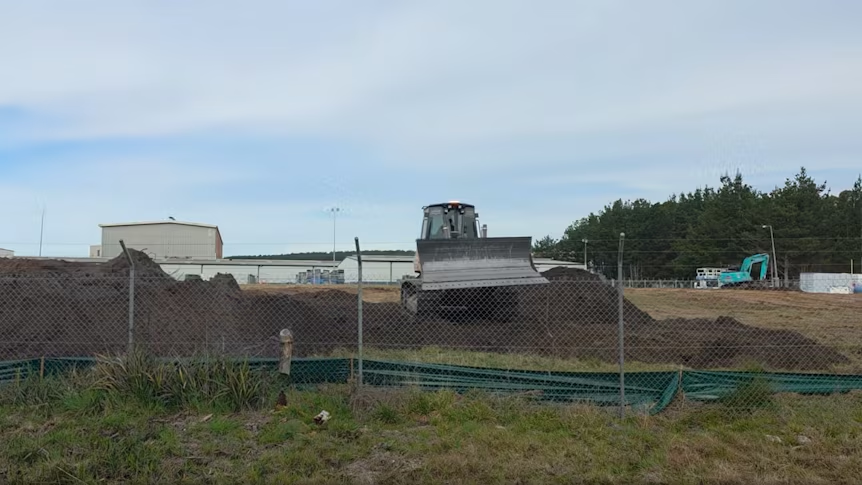
At the centre of this emerging opportunity is Morwell, where Singapore-based global infrastructure company Keppel has proposed a landmark data centre development with an estimated investment of approximately $10 billion to $11 billion.
The proposed development, located on a 123-hectare industrial site near the former Hazelwood Power Station, could deliver up to 720 megawatts of data centre capacity.
Discussions involving global technology giant Meta as a potential customer have further elevated the profile of the project, highlighting the international interest in establishing large-scale computing infrastructure in regional Victoria.
If successfully delivered, the development would represent one of the most significant private infrastructure investments in the Latrobe Valley’s history.
From powering Victoria to powering the digital economy
For generations, the Latrobe Valley has played a critical role in supplying electricity to Victoria through its coal-fired power stations.
However, with the planned retirement of traditional coal-fired generation, the region faces the challenge of replacing major industries and creating new employment opportunities.
The emergence of the data centre industry could provide an important part of that transition.
The region has several characteristics that are increasingly attractive to major data centre operators, including large industrial land holdings, established high-voltage electricity infrastructure, access to industrial water supplies, an experienced energy-sector workforce and proximity to Melbourne.
These are important advantages in an industry where access to reliable electricity is often the single most significant consideration when selecting a development location.
Rather than starting from scratch, developers may be able to take advantage of existing industrial infrastructure and repurpose former energy and industrial sites for the next generation of technology investment.
Connectivity could be the missing piece
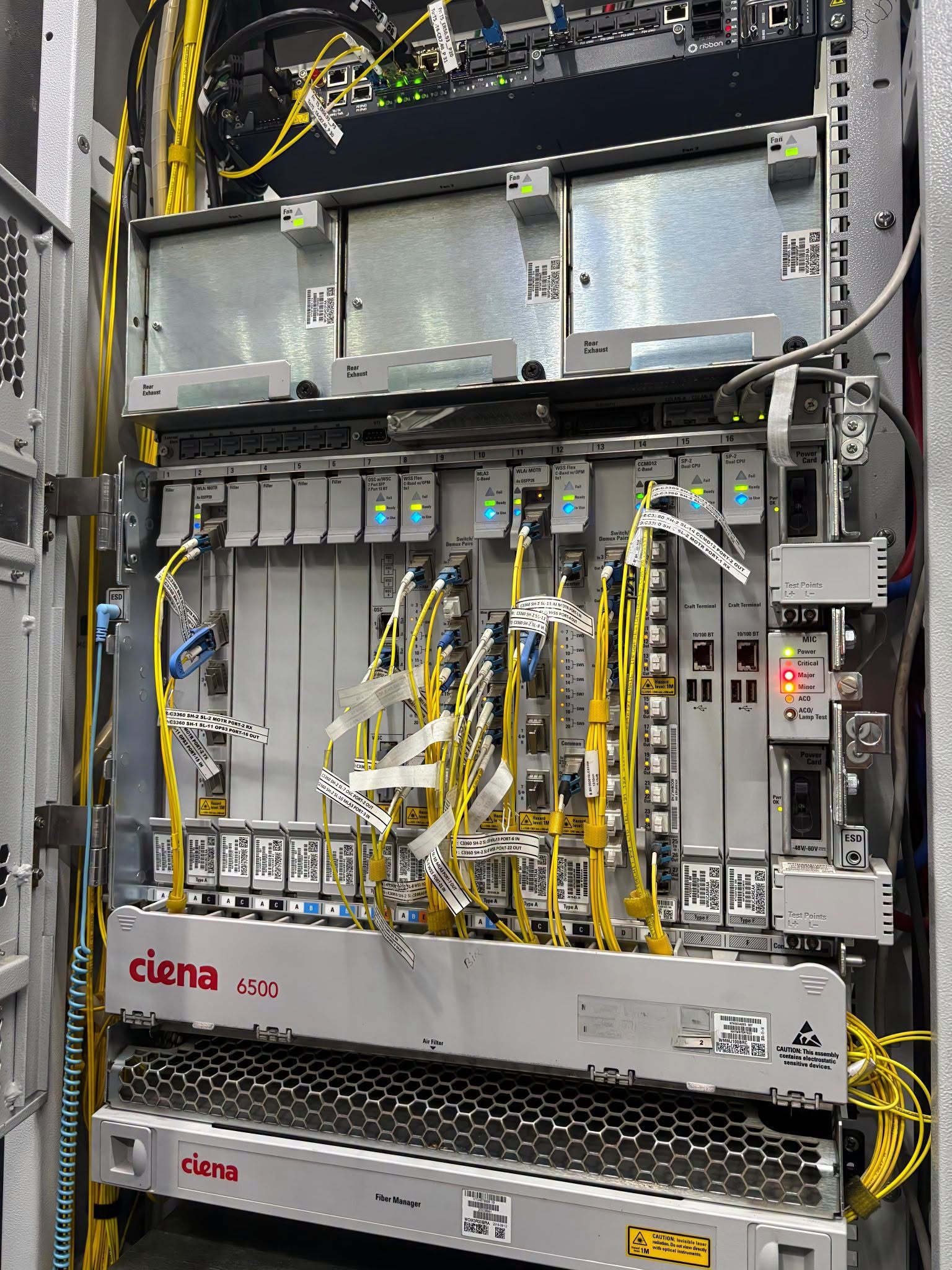
While electricity, land and water are essential, another important requirement for hyperscale data centres is high-capacity telecommunications infrastructure.
This is where an emerging regional project could prove particularly important.
Rural Fibre Co, founded by Aussie Broadband founder Phillip Britt, is developing a major fibre-optic network across Gippsland.
The proposed network includes the 728-kilometre 90 Mile Loop, designed to improve connectivity between regional communities, Melbourne and major telecommunications infrastructure.
The project is expected to provide high-capacity fibre services, including 100Gbps and 400Gbps backbone connectivity.
This is particularly significant because regional data centre development has historically been constrained by the lack of high-capacity telecommunications connections.
The proposed fibre network could help remove that barrier, providing the connectivity required for major data centre operators and international technology companies.
It could also deliver substantial benefits to regional households and businesses, creating a much broader digital infrastructure opportunity beyond the data centre industry itself.
International investment is already taking notice
Keppel’s proposed Morwell development is an important signal that international infrastructure investors are beginning to recognise the potential of regional Victoria.
The company has identified the availability of industrial land, electricity infrastructure, non-potable water and fibre connectivity as important advantages of the site.
The reported discussions with Meta as a potential customer demonstrate the scale of opportunity associated with the development.
For international technology companies, the ability to secure large amounts of computing capacity in locations with access to renewable energy and appropriate infrastructure is becoming increasingly important.
The opportunity is not limited to Keppel.
As demand for artificial intelligence computing continues to grow, other international data centre developers, cloud providers and infrastructure investors may also begin examining regional Victoria.
The potential development of a broader data centre precinct across the Latrobe Valley could attract billions of dollars in additional private investment over time.
A major opportunity for regional employment and business
One of the most important considerations for the Latrobe Valley is the economic benefit that major data centre developments could deliver to the local community.
The construction of hyperscale facilities requires extensive civil engineering, electrical infrastructure, mechanical services, cooling systems, specialist equipment and telecommunications installation.
This creates opportunities for local construction companies, engineering firms, electrical contractors, transport operators, suppliers and professional services businesses.
There would also be opportunities to retrain workers with experience in traditional energy generation and industrial operations.
Once operational, data centres require specialist personnel to manage electrical systems, cooling infrastructure, security, maintenance and technology operations.
While data centres are not necessarily major employers relative to their enormous capital investment, the construction supply chain and associated infrastructure projects could provide significant economic activity.
The opportunity is also about creating a new industry that can support the region for decades.
Sydney’s challenges could create opportunities for regional Victoria
Sydney remains Australia’s largest established data centre market, but the industry is increasingly encountering challenges associated with metropolitan development.
Recent withdrawals of proposed developments in Lane Cove, including AirTrunk’s additional Mars Road proposal, highlight the importance of community acceptance, planning approvals and appropriate site selection.
Developers are also facing increasing pressure to demonstrate how their projects will manage electricity consumption, water requirements, environmental impacts and the effects on surrounding communities.
Regional Victoria potentially offers a different proposition.
Large industrial sites, greater opportunities for separation from residential areas and the ability to plan new electricity and telecommunications infrastructure could make locations such as the Latrobe Valley attractive alternatives for future developments.
This does not mean Sydney will lose its importance as a data centre market. Rather, it suggests that Australia’s future digital infrastructure industry may become more geographically diverse.
Regional centres could increasingly complement metropolitan markets by providing the land, energy and scale required for the next generation of hyperscale computing.
Getting the development right will be critical
Despite the enormous opportunity, regional data centre development is not without challenges.
Electricity supply must be secured without placing unreasonable pressure on existing consumers or the broader electricity network.
Water requirements must be carefully managed, particularly in areas where drinking water, agricultural needs, industrial use and environmental rehabilitation compete for resources.
There will also need to be appropriate planning controls, environmental assessments and meaningful engagement with local communities.
Victoria’s Sustainable Data Centre Action Plan, released in 2026, provides a framework for managing this growth, with particular attention to energy supply, water security, appropriate land use and local employment benefits.
For the Latrobe Valley, attracting major investment must go hand in hand with ensuring that local communities share in the benefits.
A new industrial future for the Latrobe Valley
The proposed Keppel development could be the beginning of something considerably bigger.
With major electricity infrastructure, renewable energy opportunities, industrial land, developing fibre connectivity and a workforce with generations of industrial experience, the Latrobe Valley has many of the ingredients required to establish a significant digital infrastructure industry.
The region has powered Victoria’s industrial economy for generations.
The opportunity now is to build on that legacy and become an important part of the infrastructure powering the global digital economy.
If the proposed Morwell development proceeds successfully, it could provide a catalyst for further international investment, new industries and a long-term economic transformation for regional Victoria.
The next generation of Australia’s digital infrastructure may well be built beyond the metropolitan skyline.
And the Latrobe Valley could be right at the centre of it.