Thailand is rapidly transforming into one of Southeast Asia’s most dynamic digital infrastructure hubs. Bolstered by aggressive government incentives, surging artificial intelligence (AI) workloads, and multi-billion-dollar commitments from global tech giants, the country’s data center market is experiencing unprecedented growth.
Market Demand: What is Driving the Surge?
The explosive demand for data center capacity in Thailand is anchored by three primary pillars:
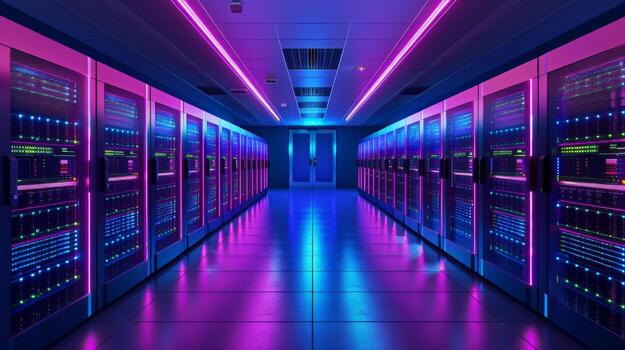
- The AI and Hyperscale Revolution: Traditional enterprise workloads are rapidly giving way to high-performance AI training models. Hyperscalers and cloud providers require dense rack configurations (often exceeding 30 kW to 100 kW per rack) that demand advanced liquid and hybrid cooling systems.
- Global Cloud Commitments: Major global technology leaders—including Amazon Web Services (AWS) and Google Cloud—have committed multi-year regional investments exceeding USD 1 billion each to set up dedicated cloud regions in Thailand.
- Government Support and Board of Investment (BOI) Incentives: Thailand’s Board of Investment has aggressively courted digital infrastructure, recording massive project application inflows (totaling hundreds of billions of baht). Favorable foreign ownership flexibility and robust digital economy policies have made Thailand a preferred alternative to more saturated Southeast Asian markets.
Financially, the market reflects this steep trajectory. Depending on the tracking scope (facilities versus total infrastructure fit-out), total market investments are scaling aggressively, with construction and infrastructure components anticipating a multi-fold expansion through the decade.
Number of Data Centres Being Built and Planned
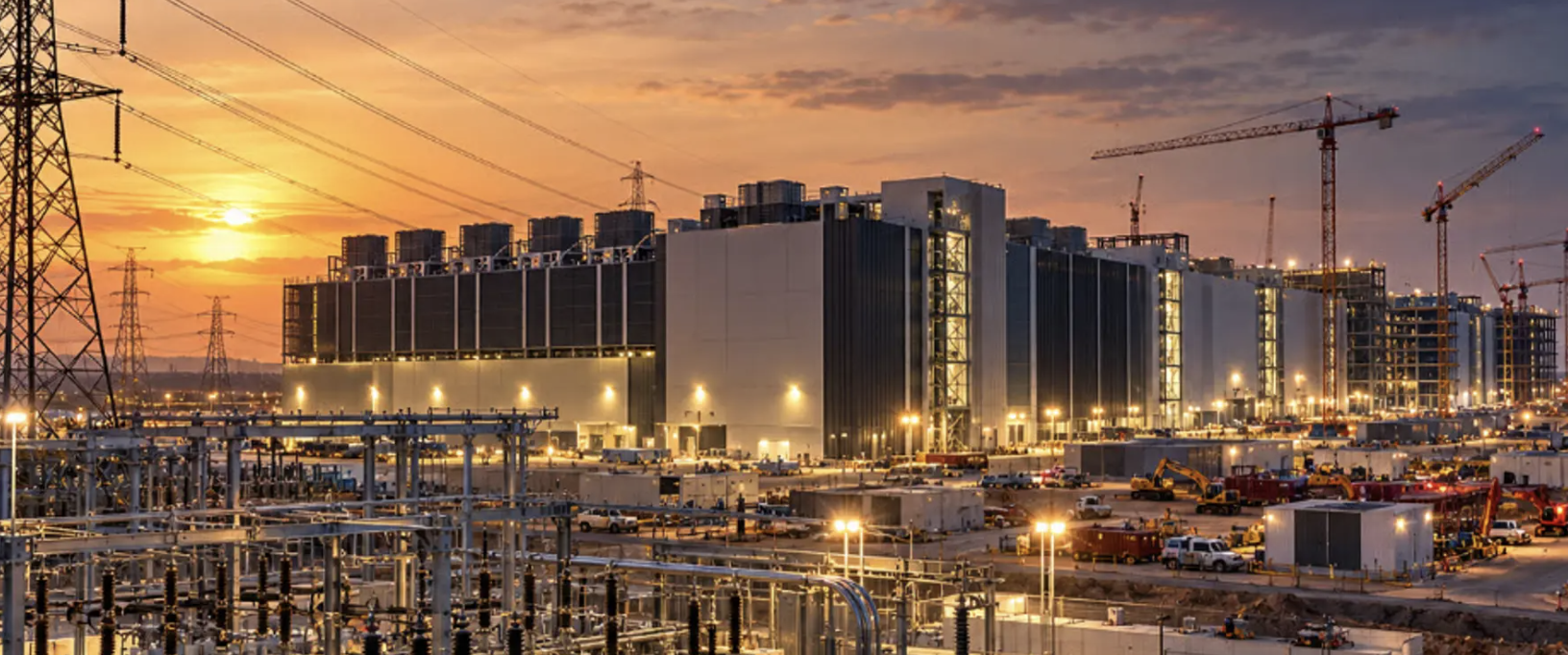
While Bangkok has traditionally anchored the country’s digital footprint (housing dozens of operational facilities), a massive wave of new mega-campuses is moving through the construction and planning pipeline.
- Existing Baseline: Bangkok historically hosts the vast majority of Thailand’s operational data centers (around 30+ core commercial and carrier-neutral facilities).
- The Active Pipeline: Driven by the overflow from the capital and a rush for hyperscale space, upcoming pipelines are adding massive gigawatt-scale capacity. In the Eastern Economic Corridor (EEC) alone, major named mega-projects account for over 1,000 MW (1 GW) of upcoming IT load capacity scheduled to come online between 2026 and 2030.
Where They Are Being Built: Geographic Shifts
While development remains heavily anchored in the Bangkok Metropolitan Region (accounting for roughly 60% to 63% of market share) due to heavy enterprise and financial user density, a distinct geographic shift is underway:
1. The Eastern Economic Corridor (EEC) — Chonburi, Rayong, and Chachoengsao
The true epicenter for new, large-scale hyperscale construction has shifted eastward into the EEC provinces. Developers favor this region because land acquisition costs are more economical ($100–$150 per sq. ft.) and industrial zones offer robust heavy-utility access. Key projects driving this regional boom include:
- Rayong: Home to massive upcoming developments, such as Beijing Haoyang’s monumental 300 MW IT load data center at WHA Eastern Seaboard Industrial Estate 4.
- Chonburi: Rapidly emerging as a hyperscale cluster. Major players like True IDC, Bridge Data Centres(134 MW), Digital Edge & B.Grimm Power (100 MW), and NTT’s Bangkok 4 campus (100 MW) are building out massive footprints here. Industrial land giants like Frasers Property Thailand are also actively acquiring thousands of rai of land dedicated partly to future digital infrastructure.
- Chachoengsao: Capturing overflow hyperscale campuses, such as Skyline’s 200 MW project.
2. Edge and Regional Nodes
While hyperscalers dominate the EEC and Bangkok, smaller-format edge facilities and disaster-recovery data centers are beginning to look toward regional hubs like Chiang Mai and Phuket to serve local consumer bases, 5G rollouts, and low-latency content caching.
Outlook
Thailand’s data center ecosystem has successfully transitioned from a domestic enterprise market into an international hyperscale hub. As operators race to build Tier IV, GPU-ready facilities capable of handling dense AI loads, the coming years will cement Thailand as a vital backbone of Southeast Asia’s digital economy.