Locomotion is essentially a large train store in Shildon. However, it is so much more than that. From trains to tracks, it has it all. The museum officially opened in 2004 as a collaboration between Sedgefield Borough Council, the National Railway Museum and the National Lottery. Funds were provided by all three organisations for the construction of the first rail collection shed. However, the museum had some precedent, being set up in the same area as the Timothy Hackworth Museum, which was originally developed by Sedgefield Council.
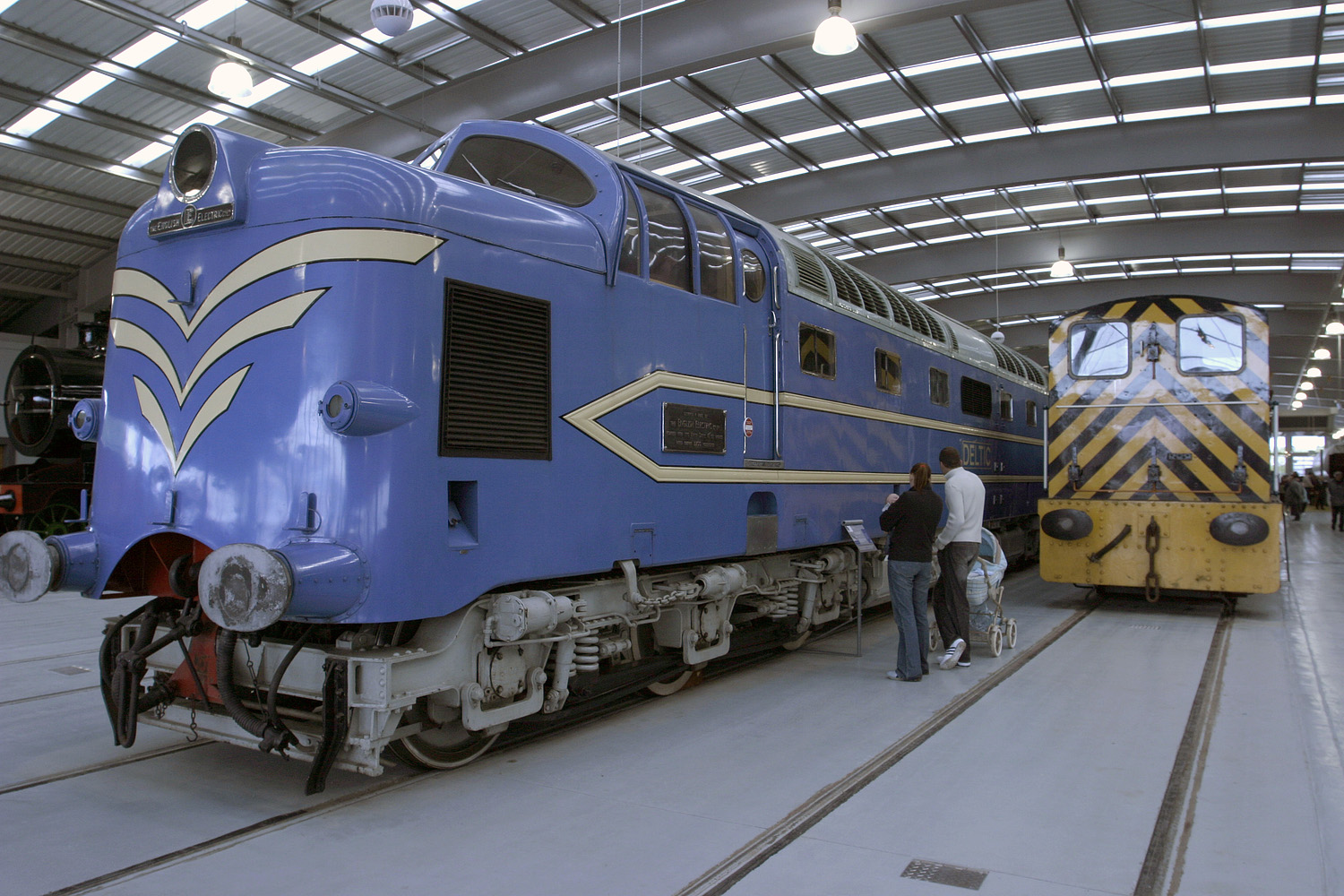
My experience at Locomotion has been brilliant. From helping to make interpretation boards to assisting on the front desk, I have done a lot. There has also been a fair amount of wandering around looking at trains. Locomotion provides a great deal for train enthusiasts, from rides in replicas of the Rocket to a large blue Deltic that undoubtedly stands as the icon at the entrance. Providing information has been the museum’s main goal, but it also aims to inspire creativity and engineering in younger generations. That was part of my work there: focusing on developing temporary interpretation boards for Sir Nigel Gresley and Timothy Hackworth as part of Locomotion’s Meet the Engineers summer holiday programme.
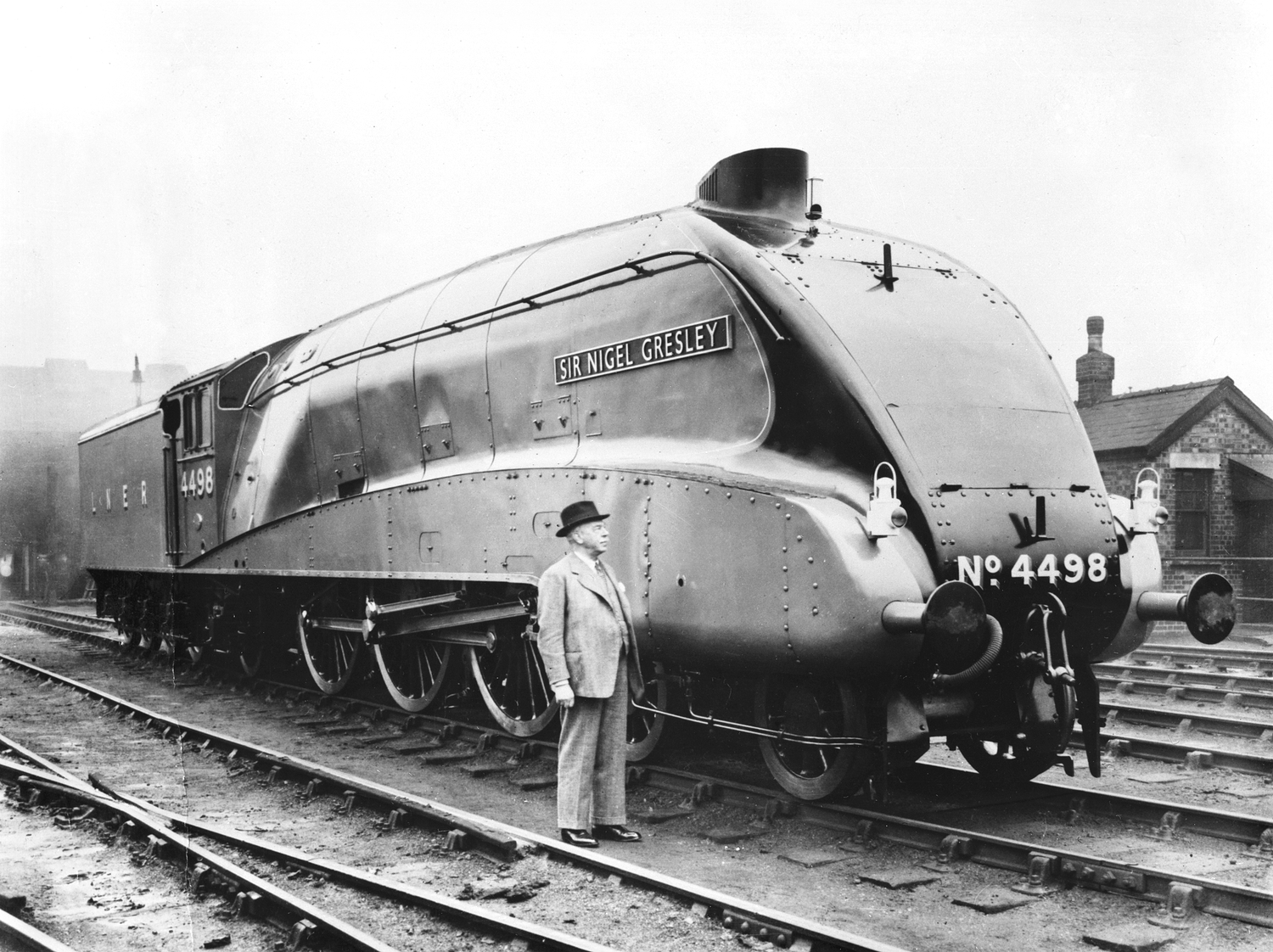
Sir Nigel Gresley’s board was easy to come up with. Designing the Flying Scotsman and the Mallard are his most famous achievements. However, both the board and the information panel go deeper, helping to highlight the engineers who supported Gresley and shedding light on their important behind-the-scenes contributions. Providing an inspiring look at Gresley was also very important, and his contribution was thoroughly recognised. Gresley was an incredibly important figure in British railway development, and his interpretation panel reflects the complex nature of rail development.
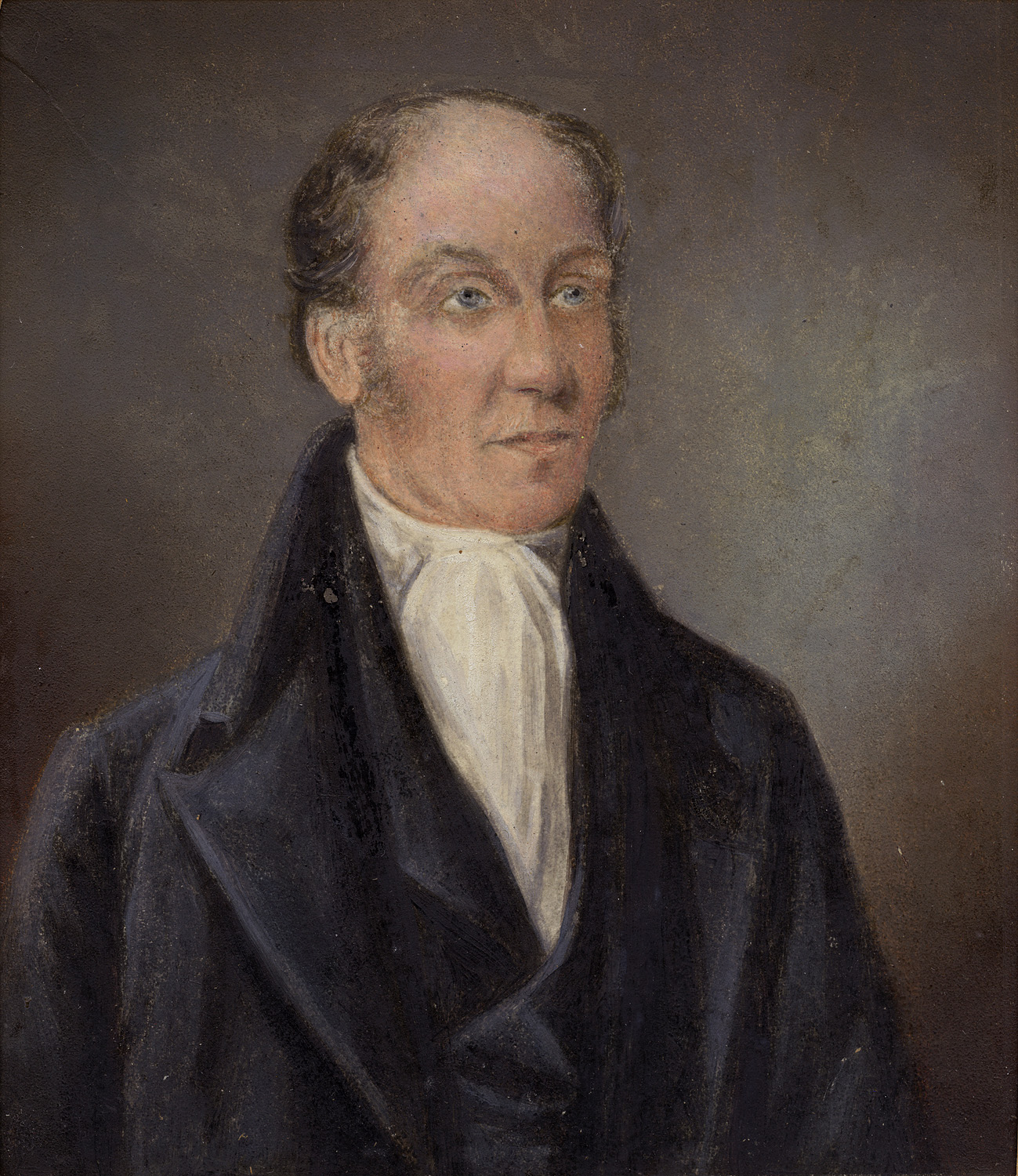
Timothy Hackworth is one of the most underrepresented figures in the railway world. His dedication to locomotive engineering rivals that of his contemporaries, the Stephensons. Hackworth started to develop his love of engines in a colliery in Wylam, which eventually brought him to the Stockton and Darlington Railway to manage and operate it. This board was much more difficult to compose, as much less is known about Hackworth and his endeavours, despite them being just as unique as those of any other railway pioneer. His supposed rivalry with the Stephensons was also examined. However, they remained good friends throughout, with the Stephensons even making parts for his locomotives. Hackworth is often neglected as a railway pioneer, and his board was designed to introduce him into the wider railway story.
For both boards, the most difficult part was collecting the information and condensing it down. Each board has about 150 words and, for each individual, I easily had well over 1,000 words of research. Condensing that much information was difficult but manageable, and it was done with care for both the information being presented and the amount that could realistically fit on the board. Despite the extensive editing that took place, I was allowed to create a much longer information pack online, which could be accessed via a QR code on the board itself. This keeps the intensity of information much lower and allows visitors to take their time with it.
The front desk work was also interesting. Working with the front-of-house team gave me a new appreciation for the museum. It provided an insight into the visitors who frequent the museum: there was a regular popping in for a coffee, a family visiting to see the trains, and a new visitor who simply wanted to see the new hall. Each was there for a different reason, but all were there to enjoy the museum.
My time at Locomotion has also been beneficial to my degree, as it has provided me with the opportunity to delve into the world of museum work and see just how diverse it can be. It has also shown me the passion and dedication that people in this industry have. Despite never-ending cuts and setbacks, they persevere no matter what. Their work is important to our enjoyment of these museum spaces. They work hard and clearly enjoy what they do.
Locomotion means a lot more to the people of Shildon than we often give it credit for. It offers a free space to engage with engineering, creativity and history, while inspiring younger generations to continue in this spirit of construction, innovation and improvement.
The post Discovering Museum Life at Locomotion appeared first on National Railway Museum blog.