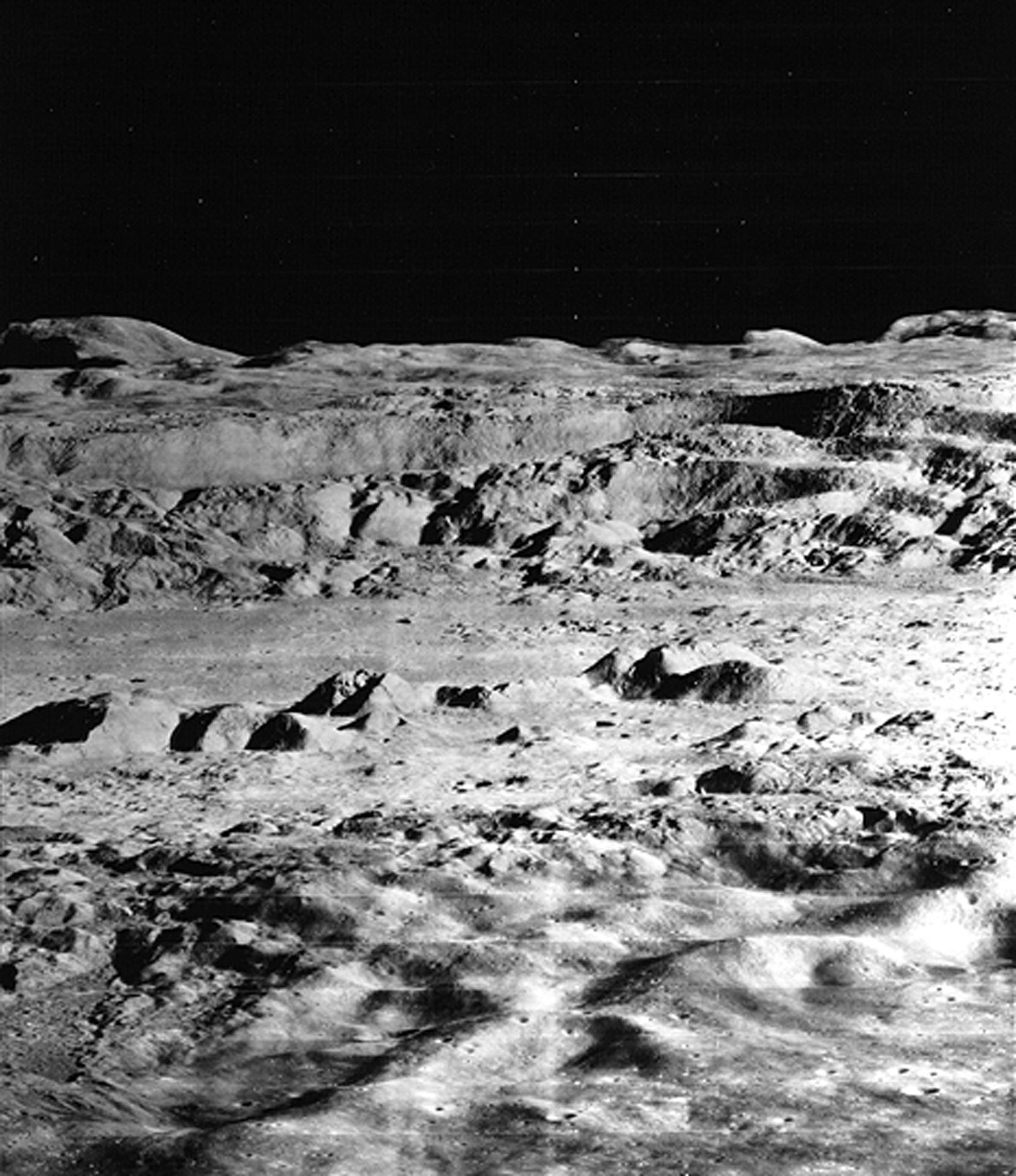
As NASA advances its plans for sustainable lunar exploration the Artemis II mission stands as a landmark achievement. This crewed flight will send four astronauts on a journey around the Moon marking the first such voyage in over fifty years. The mission focuses on testing critical systems while gathering data that could shape future human presence beyond Earth. Yet as the spacecraft travels through cislunar space many observers ponder a deeper layer to the expedition. Could it also involve subtle monitoring for UAP activity.
The surge in UAP discussions has coincided with this renewed push into space. Whistleblower testimonies and calls for transparency have heightened public interest in non-human intelligence. While NASA maintains its focus on scientific discovery the possibility that advanced sensors might capture anomalous events adds an element of mystery to the endeavor. This article examines the mission details historical parallels and what it might mean for our understanding of unexplained phenomena.
From lunar resource utilization to astronomical observations such as those of NGC 188 the Artemis II program weaves together multiple threads of inquiry. As we review the available information it becomes clear that the boundary between conventional space science and the search for extraterrestrial contact is becoming increasingly blurred.
→ The Core Objectives and Timeline of Artemis II
NASA has released detailed information on the Artemis II countdown and associated technologies. The mission aims to validate the Orion spacecraft in a high-radiation deep space environment. Astronauts will perform maneuvers that simulate those needed for eventual lunar landings. One key element involves studying how materials perform under extreme conditions with new innovations that could help melt moon rocks for resource extraction.
Updates indicate the launch window opened in early April of 2026. The crew successfully left Earth orbit and began their transit toward the Moon. During the flight they captured images of previously unseen lunar terrain. Mission timelines show a return to Earth after approximately ten days with splashdown in the Pacific Ocean. These steps build directly on lessons from uncrewed test flights and prepare the way for surface operations in subsequent missions.
Additional scientific goals include observations of distant star clusters. NASA highlighted NGC 188 an ancient open cluster that offers insights into stellar evolution. Such targets allow the crew to conduct research while en route. The integration of human spaceflight with pure astronomy demonstrates the multifaceted nature of the program. All systems performed within expected parameters according to official briefings.
→ Technological Capabilities That Could Aid Anomaly Detection
The Orion capsule features high-resolution cameras and sensor arrays designed for navigation and scientific imaging. These tools excel at documenting fast-moving objects against the void of space. During lunar flybys the crew reported clear views of both the near and far sides of the Moon. Such visibility raises the question of whether similar equipment might incidentally record unexpected aerial or transmedium phenomena.
Engineers equipped the spacecraft with radiation monitors and thermal imaging systems. These could theoretically identify objects exhibiting unusual propulsion characteristics. Past NASA missions have occasionally noted unexplained lights or trajectories though interpretations vary. The Artemis II profile takes the vehicle well beyond low Earth orbit where atmospheric interference is absent. This environment is ideal for observing objects that display characteristics associated with UAP reports such as rapid acceleration or lack of visible exhaust.
Related research into new materials for lunar resource harvesting also advances materials science. A recently announced compound could enable efficient processing of regolith. If scaled this technology supports long-term habitats. Some analysts suggest that any discovery of anomalous technology could accelerate such innovations. The mission therefore serves both public exploration goals and quieter investigative needs.
→ Historical UFO Sightings and Astronaut Testimonies
Throughout the history of human spaceflight astronauts have described sightings that defied easy explanation. Reports from early Mercury Gemini and Apollo programs occasionally mentioned objects pacing spacecraft or exhibiting non-ballistic motion. These accounts form part of the broader ufo history that researchers continue to examine. While many cases received conventional explanations a subset remain unresolved.
Project Blue Book the United States Air Force investigation into aerial phenomena reviewed several astronaut-related events. Declassified files show that military and NASA personnel followed strict protocols for reporting anomalies. In the decades since public interest has only grown. Recent congressional hearings and statements from officials have underscored the reality of UAP as a legitimate national security topic.
Figures such as Karl Nell and David Grusch have contributed to contemporary dialogue by discussing non-human intelligence and special access programs. Their perspectives align with a pattern of government secrecy that some link to space activities. Although Artemis II is not officially tasked with UAP investigation its trajectory through regions where anomalies have been reported invites speculation about secondary objectives.
→ Links Between Lunar Exploration and UAP Research
The Moon has long featured in theories about ancient civilizations and potential extraterrestrial artifacts. Surface features studied by orbiters sometimes prompt questions about artificial origins. NASA maintains that all observed anomalies have natural explanations yet the agency has increased its use of LIDAR and other remote sensing tools. These same instruments could help characterize any unusual objects encountered during Artemis II.
Connections to underwater anomalies and USO reports add another dimension. If UAP demonstrate transmedium travel then cislunar space represents a logical corridor. The Southern California Bight and other oceanic hotspots have yielded intriguing data according to unclassified summaries. Extending monitoring outward from Earth aligns with a comprehensive approach to understanding these phenomena.
Programs such as AAWSAP and AATIP previously examined related threats and technologies. Their findings remain partially redacted but indicate serious interest at the highest levels. The Sol Foundation and academic researchers like Garry Nolan have called for rigorous study of biological and material evidence. In this context a lunar mission offers a platform for gathering pristine data far from terrestrial clutter.
- High altitude vantage point minimizes atmospheric distortion.
- Advanced imaging can track objects at high velocities.
- Crew observations provide real-time human context.
- Telemetry data creates permanent records for later analysis.
Such capabilities position Artemis II as more than a stepping stone to Mars. It becomes a potential node in an expanding network of sensors trained on the sky and beyond.
→ Astronomical Observations and the NGC 188 Connection
NASA science updates have drawn attention to NGC 188 as an object of interest during the May 2026 timeframe. This old cluster in the New General Catalog contains stars that date back billions of years. Its study contributes to models of galactic formation and stellar longevity. The decision to include such targets during a crewed lunar flight highlights the mission’s dual role in exploration and fundamental science.
Some constellations frequently mentioned in ufology such as Orion Taurus and Pleiades often overlap with ancient myths of contact. While NGC 188 lies in a different region its great age invites reflection on deep time and the possibility of long-lived civilizations. Researchers emphasize that no evidence links the cluster directly to current UAP activity. Still the act of observing distant stellar populations from lunar vicinity adds poetic resonance to the journey.
Data collected will be shared openly through NASA channels. This transparency contrasts with restricted information surrounding certain UAP encounters. The contrast fuels discussion about what else might be discovered but not immediately disclosed. Over time the accumulation of astronomical and anomalous datasets could reveal patterns currently invisible.
→ Implications for Disclosure and Future Space Policy
The Artemis program operates under intense public and international scrutiny. Any unexpected findings would likely trigger internal review before public release. Past experiences with meteorites and planetary probes show how carefully NASA handles potential biosignature or artifact claims. A similar protocol would apply to UAP evidence gathered in space.
Calls for a UAP Disclosure Act reflect growing demand for systematic declassification. Integrating space-based monitoring into this framework could accelerate understanding. If non-human intelligence exhibits interest in human space activities then missions like Artemis II might serve as natural observation posts. The recent emphasis on lunar resources suggests preparation for extended operations that could coincide with such monitoring.
Analysts note that catastrophic disclosure remains a risk if information emerges chaotically. Structured release through scientific channels offers a safer path. The combination of Artemis II success new material breakthroughs and ongoing UAP studies creates fertile ground for informed speculation. Whether the mission yields direct UAP data or simply advances the infrastructure for future detection its legacy will extend beyond the Moon.
Ultimately the journey embodies humanity’s dual quest for knowledge and connection. As astronauts return with fresh perspectives and terabytes of information the conversation about our place in a larger cosmic narrative gains new momentum. The stars have always held secrets. Artemis II reminds us that some of those secrets may be closer than we think.