Scotland’s railway is preparing for hot weather this week, with highs of up to 32°C expected, potentially setting a new June record.
From Tuesday, temperatures will rise into the high 20s and are likely to exceed 30°C by Thursday. Thunderstorms are also forecast later that day, bringing lightning, heavy rain and strong winds.
While the Met Office has issued a Red extreme heat warning for parts of England and Wales, the warmer conditions will still bring challenges for Scotland’s rail network.
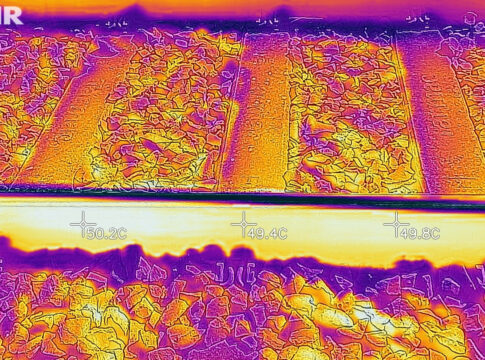
Steel rails could reach around 50°C in direct sunlight, sometimes causing them to expand and curve. Overhead power lines can also expand in extreme heat and lose tension.
Network Rail’s meteorologists and specialist engineering teams are closely monitoring conditions. Services may be adjusted where necessary, including the introduction of temporary speed restrictions, to reduce stress on tracks and overhead lines.
Engineers are also being positioned strategically across Scotland helping to address any issues quickly and efficiently, minimising disruption for passengers.
Anyone travelling is encouraged to plan ahead and allow a little extra time where possible. Simple steps such as staying hydrated can also make journeys more comfortable.
Ross Moran, route director at Network Rail Scotland, said: “We know hot weather can sometimes affect how the railway runs. That’s why our teams are keeping a close eye on conditions and carrying out extra checks across the network to keep services moving.
“We’re not expecting the same extreme temperatures as elsewhere in the UK, but we’re prepared for warmer weather and ready to act if needed. We’d encourage passengers to check their journey before travelling and take care in the heat.”
Phil Campbell, ScotRail Customer Operations Director, said: “We’re working closely with our colleagues at Network rail to support customers as the temperatures rise across Scotland this week.
“Hot weather can occasionally impact how the railway operates, so we’re encouraging customer to check their journey before travelling, leave a little extra time for their trip, and take simple steps such as carrying water and staying hydrated.
“By taking a few precautions and planning ahead, customers can travel safely and comfortably throughout the summer months, whatever the weather brings.”
How Network Rail manages track temperatures in hot weather:
- Certain sections of rail are painted white so they absorb less heat and expand less, typically making them 5 to 10°C cooler than unpainted rail.
- Much of the network uses long lengths of continuously welded rail, which reduces the risk of buckling in high temperatures by limiting compression.
- On routes where shorter rails are still in use, small gaps are left between sections to allow for expansion.
- Monitoring of rail temperatures is continually improving, including the installation of probes that provide early warnings when temperatures rise, allowing action to be taken before issues develop.
- In some areas, track is laid on reinforced concrete slabs rather than traditional sleepers and ballast, helping to reduce the risk of buckling.
Image credit: Network Rail