5 min read
Preparations for Next Moonwalk Simulations Underway (and Underwater)
In 2025, NASA’s Stennis Space Center near Bay St. Louis, Mississippi, marked a year of progress by supporting NASA’s Artemis campaign, celebrating historic milestones, and continuing its role as a trusted propulsion test partner at America’s largest rocket propulsion test site.
“For more than six decades, NASA Stennis has proudly represented the Gulf Coast region and America in advancing our nation’s space exploration goals,” said NASA Stennis Director John Bailey. “This year, we continued our progress forward as we near the launch of Artemis II, while honoring milestones that have brought our center to this point.”
Supporting Artemis
As NASA prepares for the launch of Artemis II in early 2026, with the first crewed mission to the Moon in over 50 years, NASA Stennis continues its frontline work.
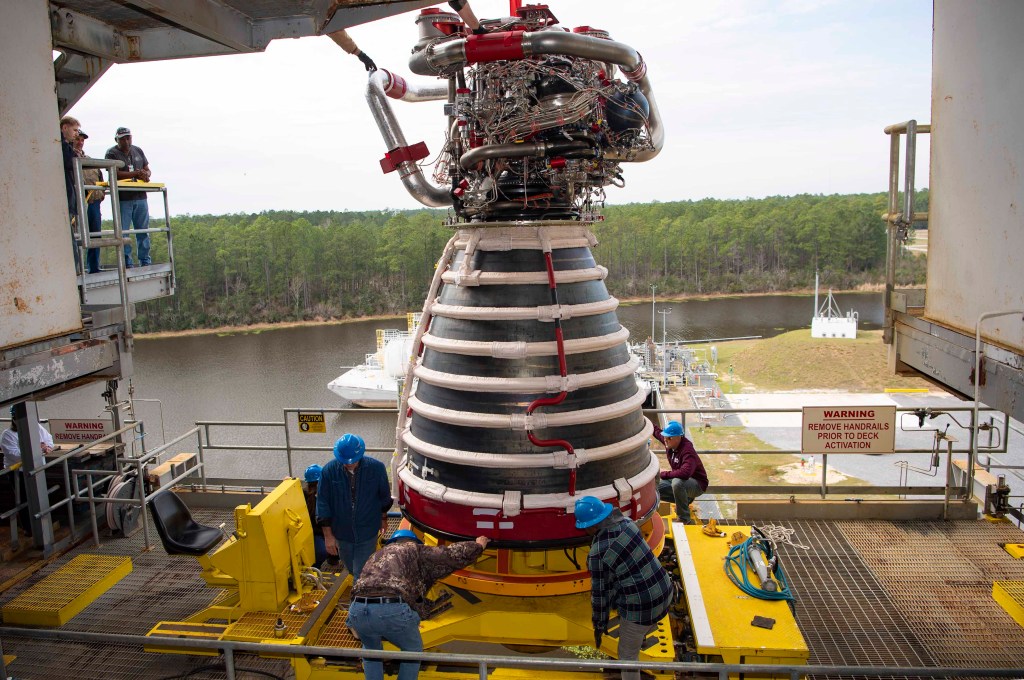
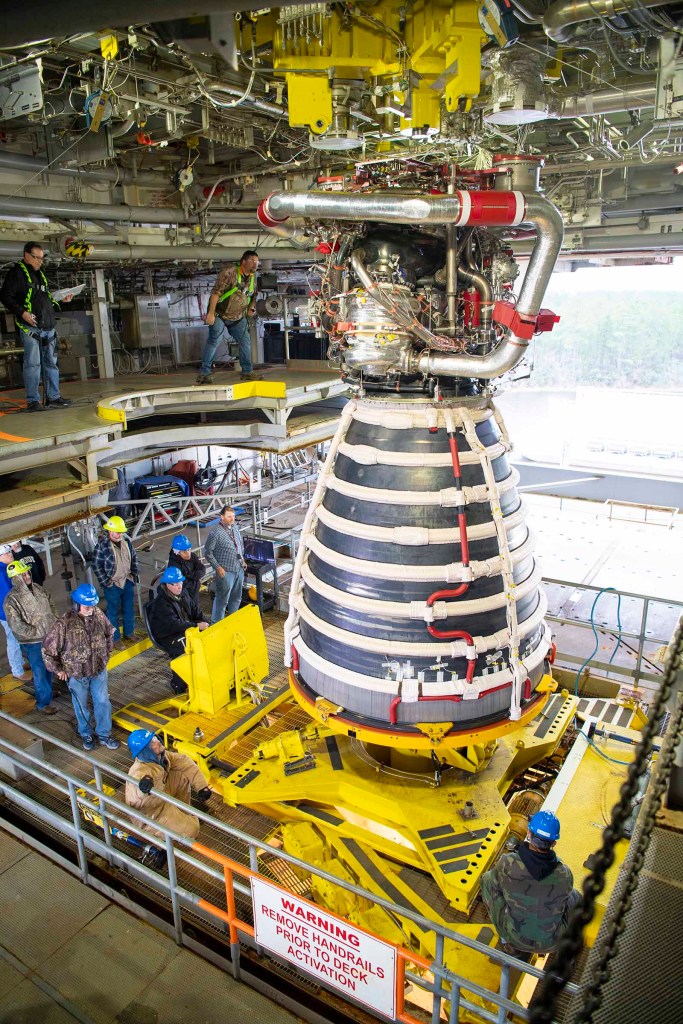
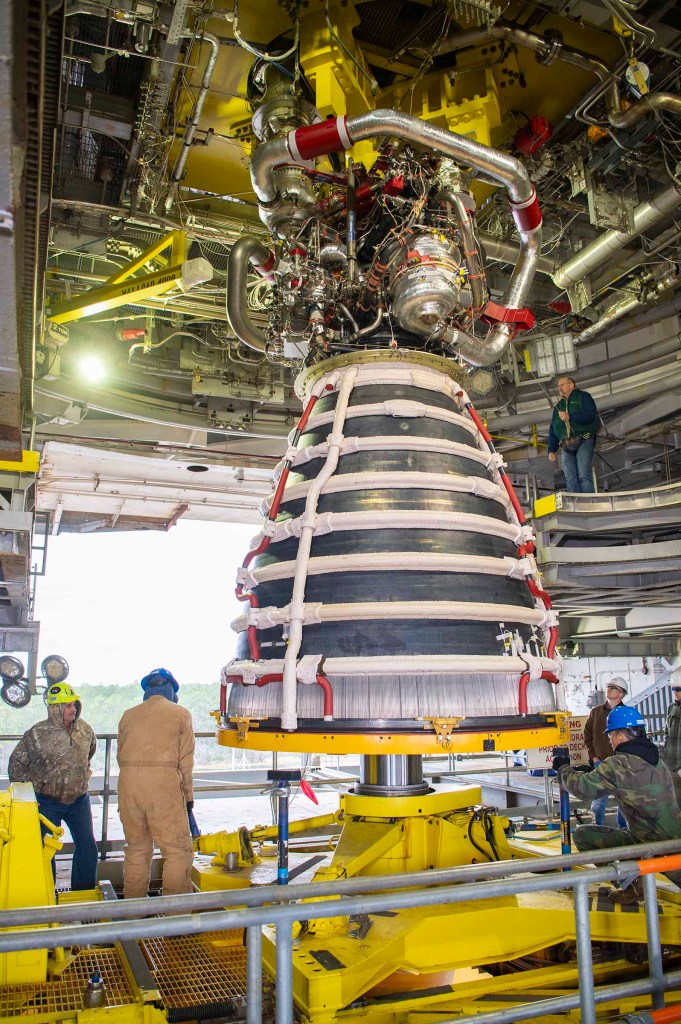
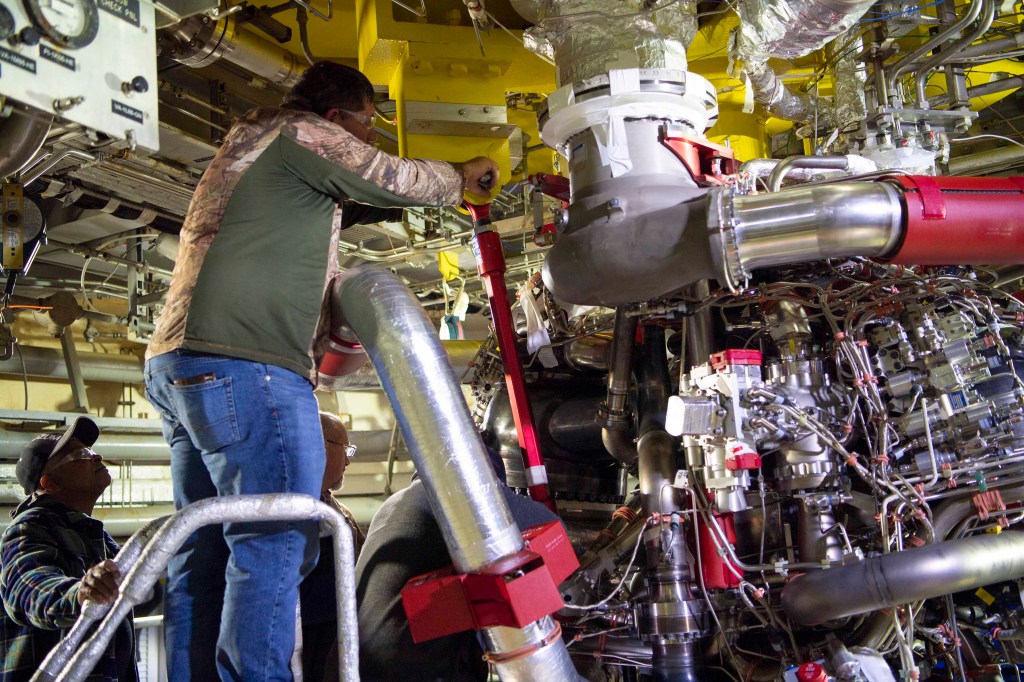
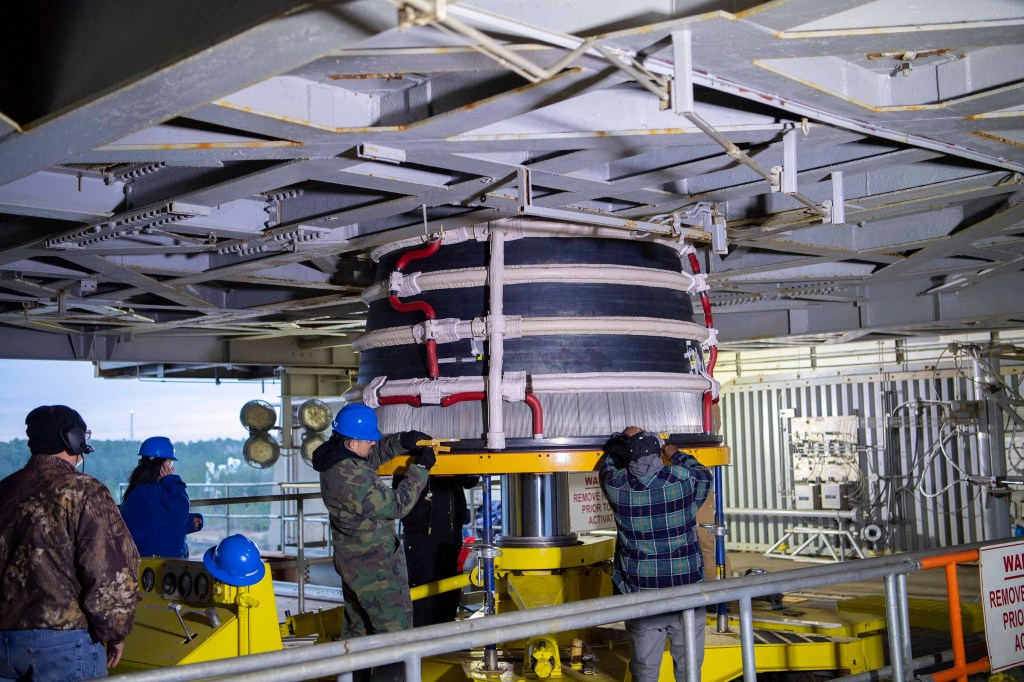
Every RS-25 engine used to help launch NASA’s SLS (Space Launch System) rocket to the Moon is tested in south Mississippi.
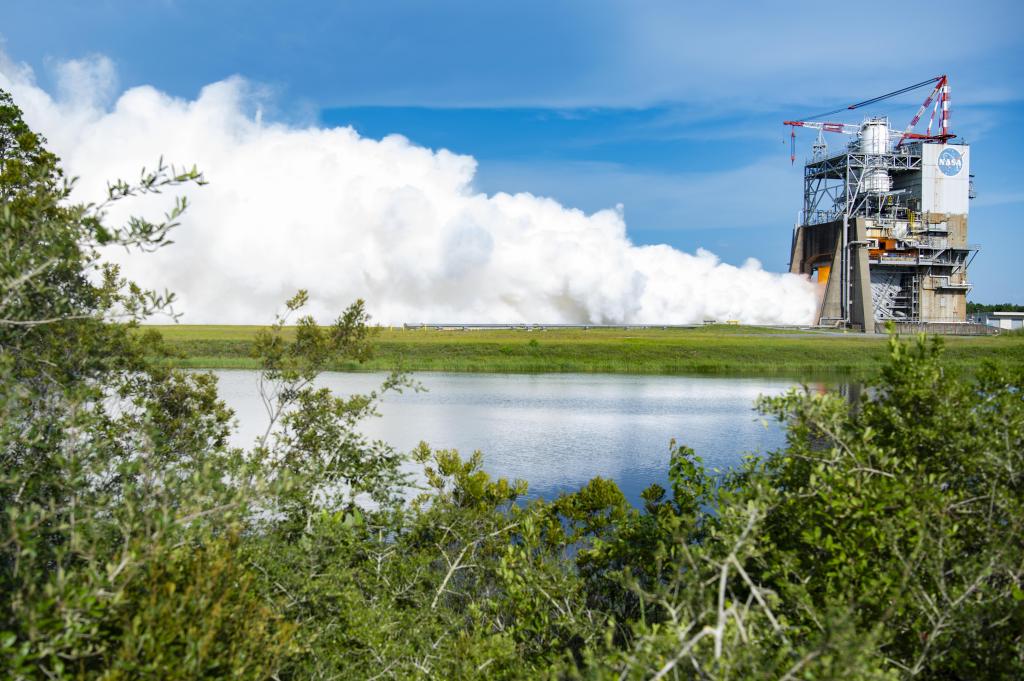
NASA Stennis teams provided data to lead engines contractor L3Harris Technologies by successfully testing two new production RS-25 flight engines.
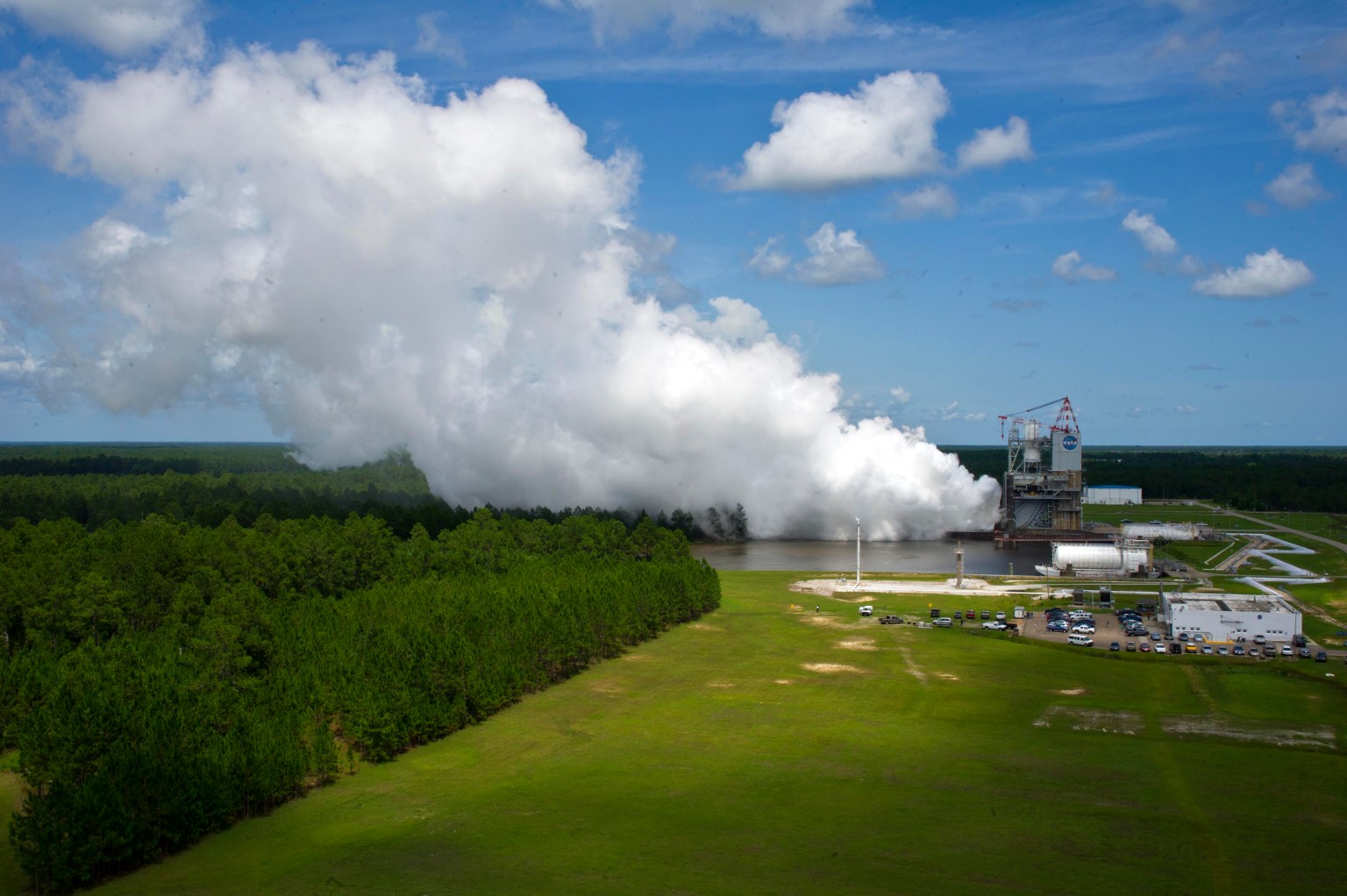
NASA tested RS-25 engine No. 20001 at the Fred Haise Test Stand in June, and RS-25 engine No. 20002 in November. Each engine fired for 500 seconds, reaching 111% of its rated power, while simulating launch conditions.

Supporting Commercial Propulsion
The commercial aerospace industry is growing, and NASA Stennis is a secure location providing support for it. Companies that have conducted work at NASA Stennis include Blue Origin, Boeing, Evolution Space; Launcher, a Vast company; Relativity Space and Rolls-Royce.
Three companies – Relativity Space, Rocket Lab, and Evolution Space – have established, or continue progress to establish, production and/or test operations at NASA Stennis.
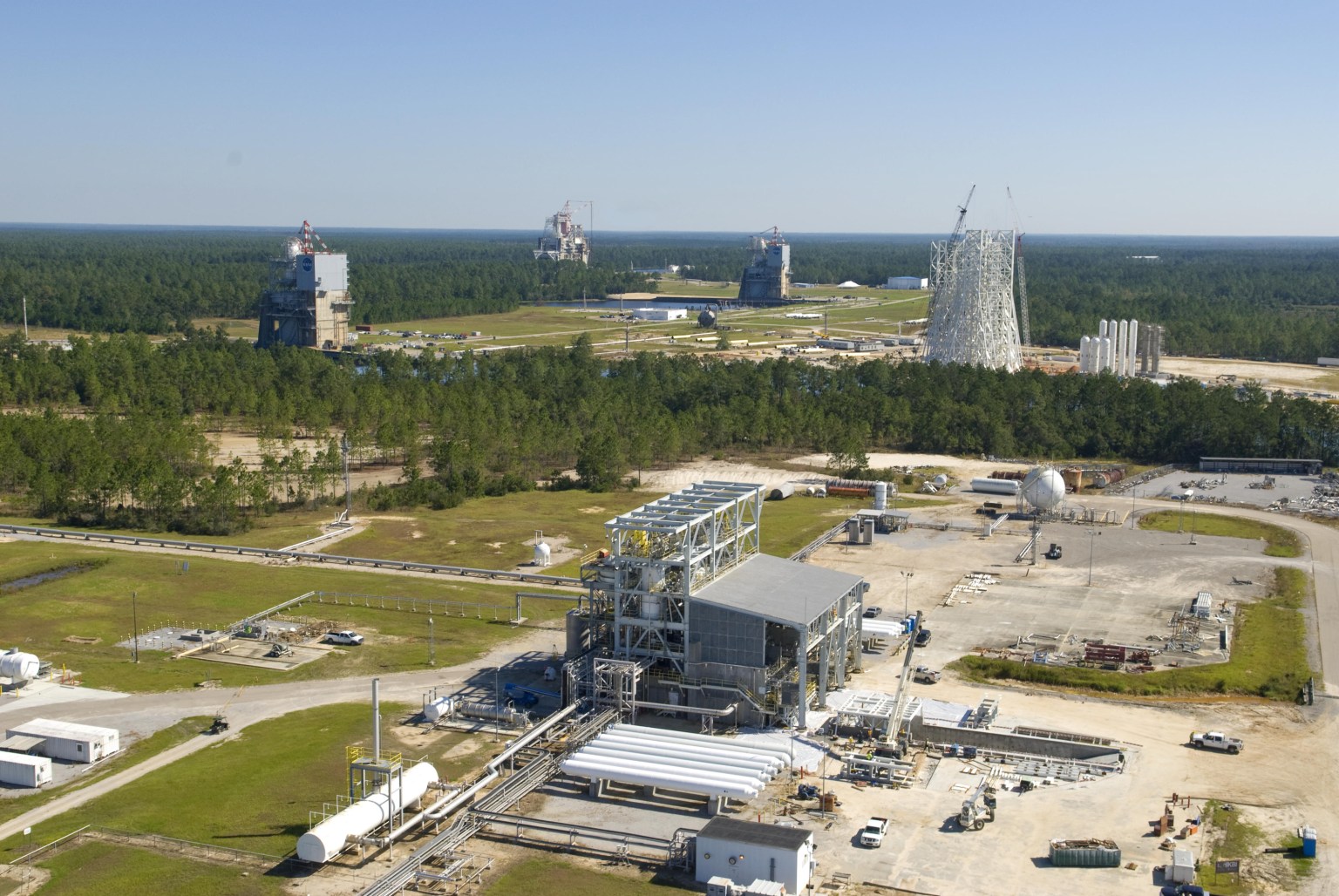
Infrastructure upgrades and planning efforts across the test complex are laying the foundation for future propulsion test projects as well.
“As the commercial space industry continues to accelerate their development, NASA Stennis is adapting to meet their propulsion testing needs,” said Joe Schuyler, director of the NASA Stennis Engineering and Test Directorate. “We are proud that our proven experience makes us a trusted partner.”
Honoring the Past

While NASA Stennis operates as the nation’s largest rocket propulsion test site, the NASA Stennis Federal City also is home to more than 50 federal, state, academic, and commercial tenants.
This year marked the birth of the federal city concept 55 years ago. The unique operating approach serves as a model of government efficiency and a powerful economic engine for the Gulf Coast region.
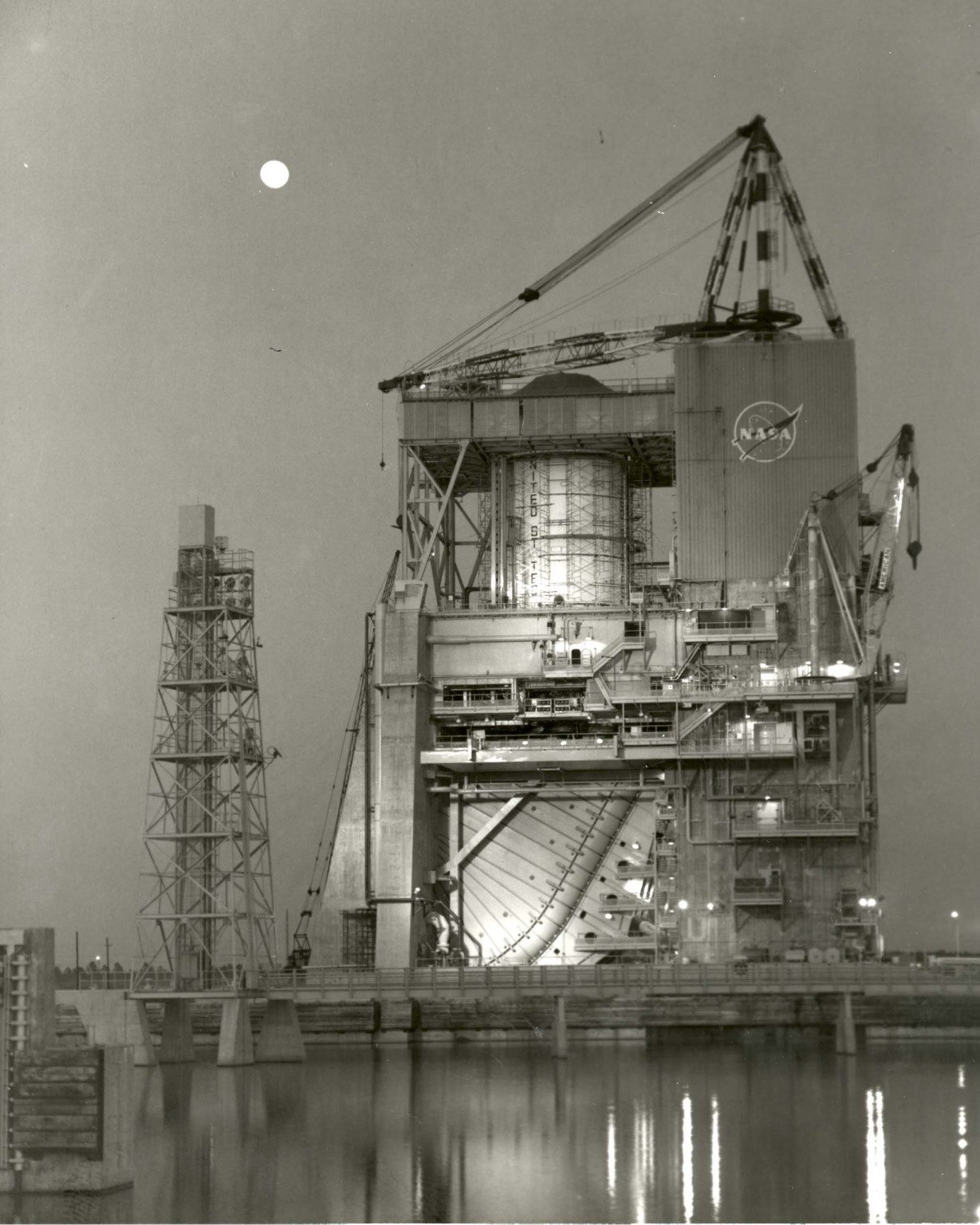
Meanwhile, the 50th anniversary of space shuttle main engine testing honored a defining era for NASA Stennis.
From May 1975 to July 2009, NASA Stennis tested space shuttle main engines that enabled 135 shuttle missions and notable space milestones, like deployment of the Hubble Space Telescope and construction of the International Space Station.
Both the federal city model and the decades of propulsion excellence continue to inform work at NASA Stennis.
Engineering the Future
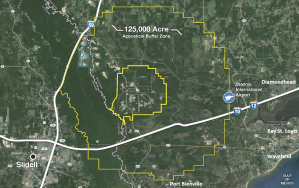
Innovation extended beyond the test stands. The versatile testing environment at NASA Stennis is uniquely positioned to support unmanned systems testing across air, land, and water. With restricted airspace, a closed canal system, and vast protected terrain, the site offers a safe, flexible environment for range operations.
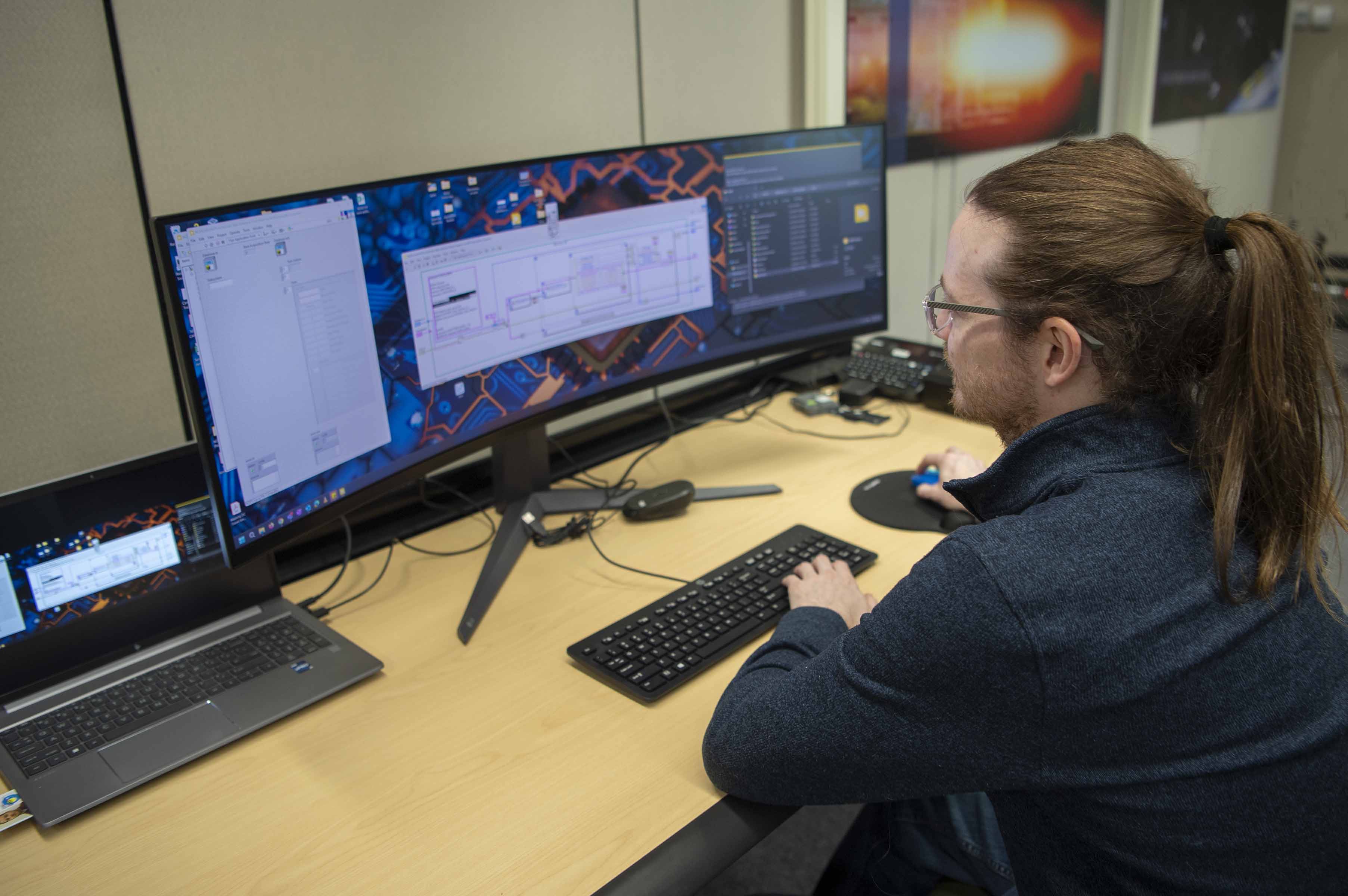
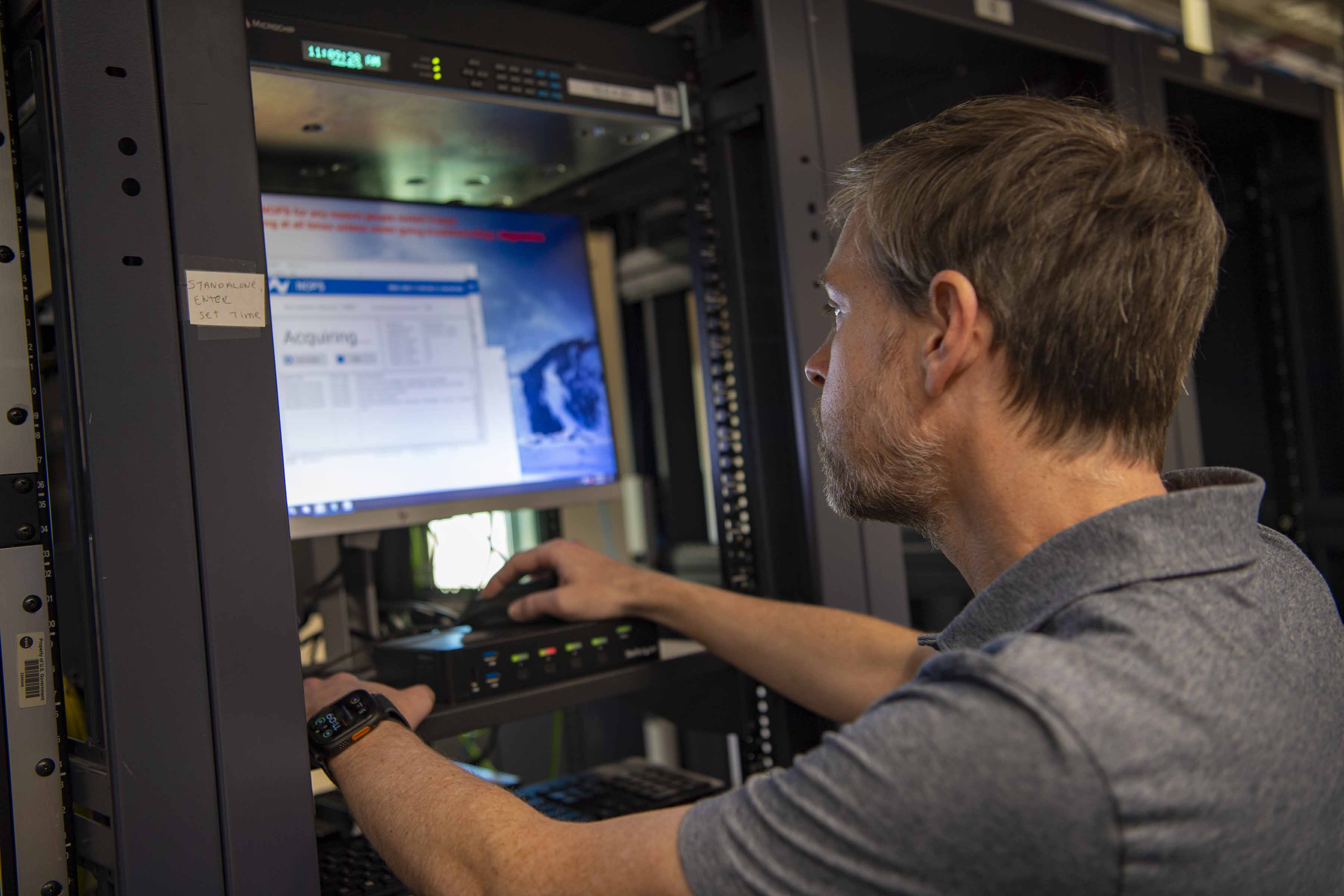
In addition to physical infrastructure, NASA Stennis progressed in digital innovation with the release of its first open-source software tool to streamline propulsion test data collection and collaboration across NASA and industry. The peer review tool is designed to facilitate more efficient and collaborative creation of systems applications, such as those used in frontline government and propulsion test work.


Community and Inspiration
NASA Stennis connected with communities in creative ways in 2025.
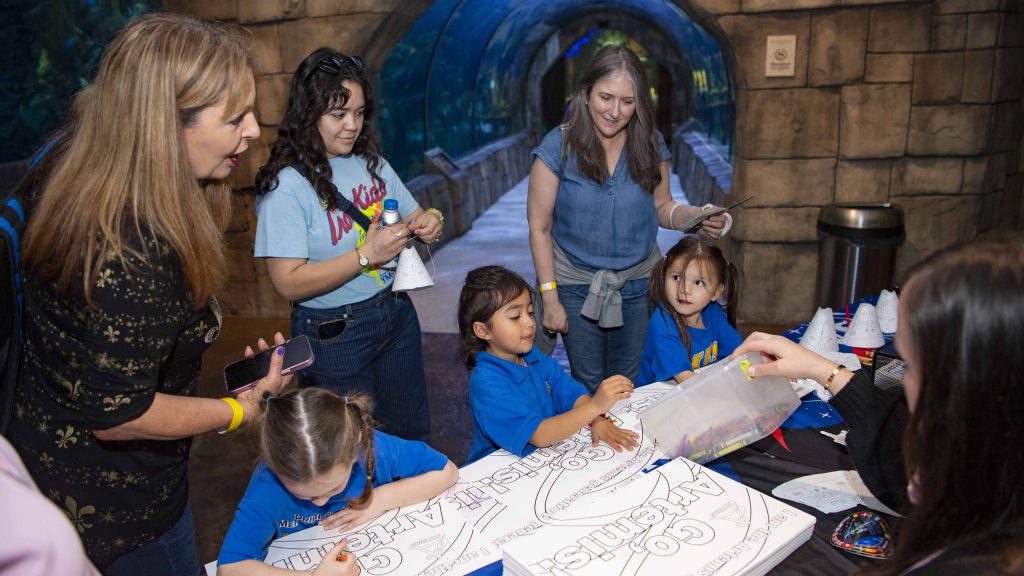
During Super Bowl week, NASA Stennis representatives inspired future explorers by bringing Artemis mission displays and hands-on activities to families at the Audubon Aquarium in New Orleans.
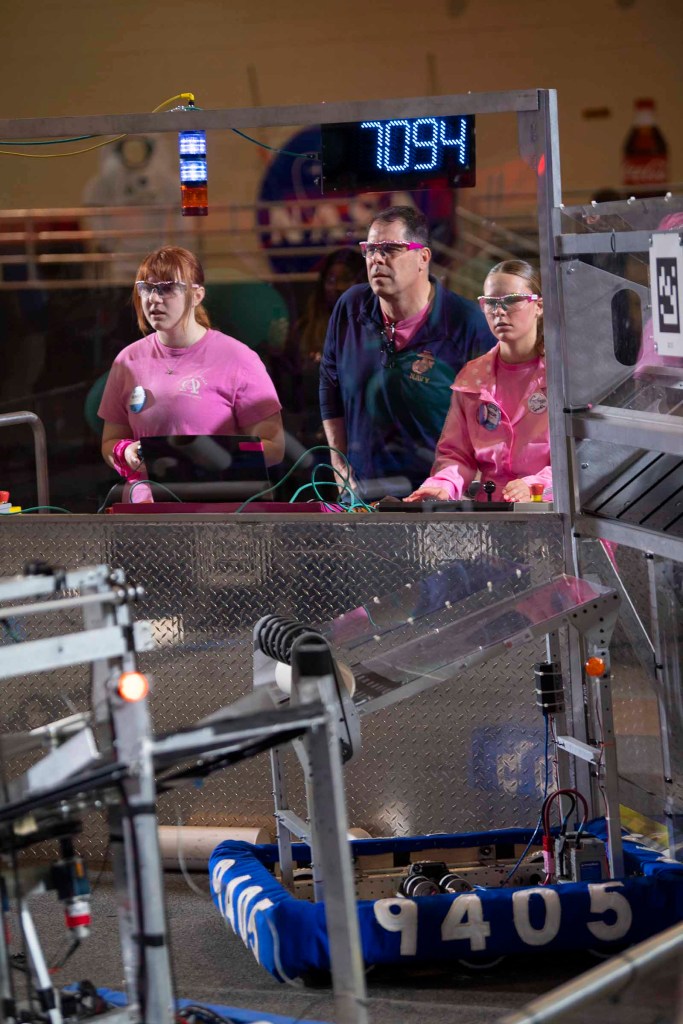
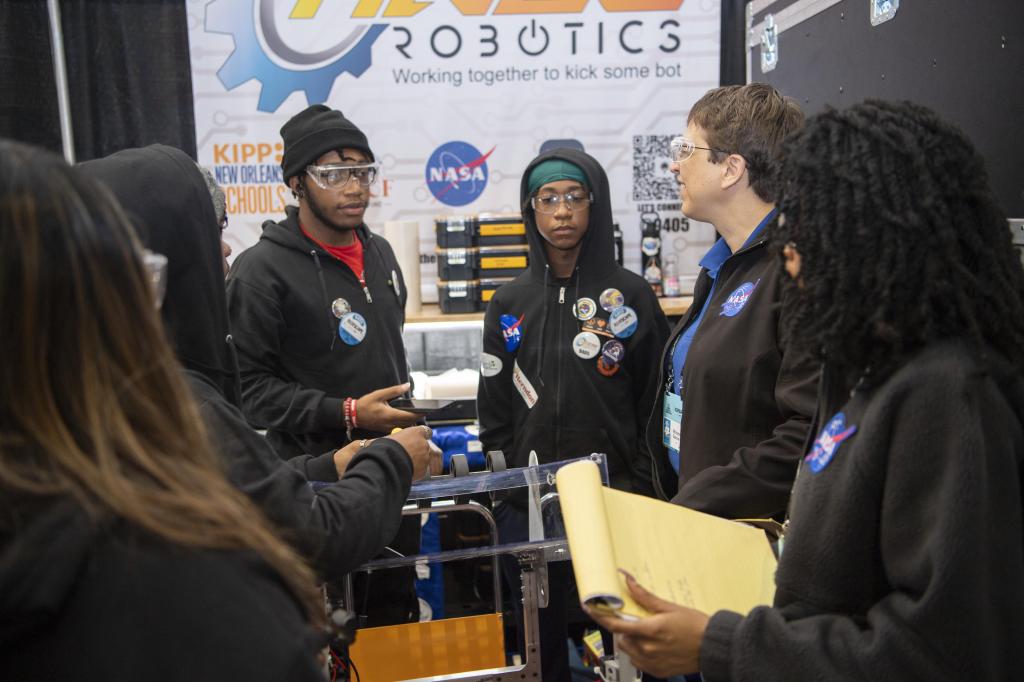
In March, NASA Stennis supported the third annual FIRST Robotics Magnolia Regional as a lead sponsor with employees and interns volunteering at the event. The competition in Laurel, Mississippi, brought together 37 teams from eight U.S. states (Alabama, California, Florida, Louisiana, Minnesota, Mississippi, Missouri, and Tennessee) and Mexico. The FIRST (For the Inspiration and Recognition of Science and Technology) Robotics event joined NASA’s Robotics Alliance Project to combine the excitement of sport with the rigors of science, technology, engineering, and mathematics (STEM) in field games using industrial-sized robots.
That same spirit of hands-on learning continues at INFINITY Science Center, the official visitor center of NASA Stennis. A new interactive exhibit has provided visitors a chance to become a test conductor and simulate RS-25 engine tests for the engines that will help power NASA’s Artemis missions.


A Winter Wonderland
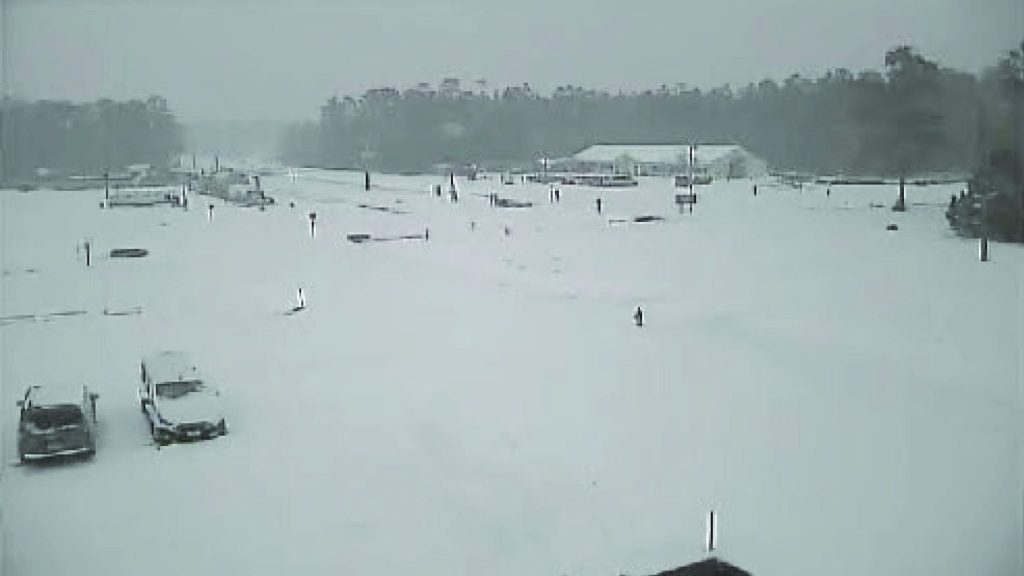
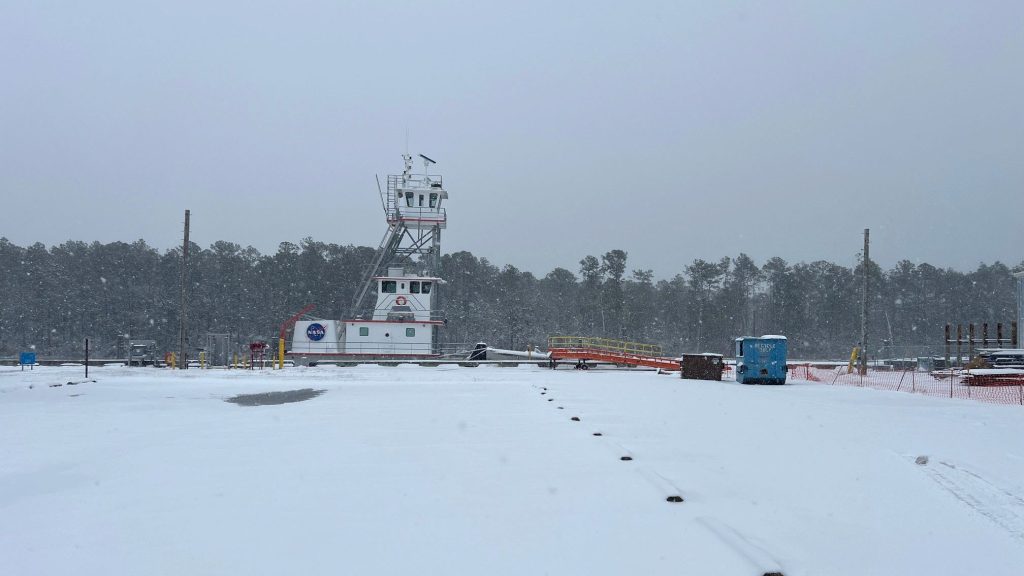
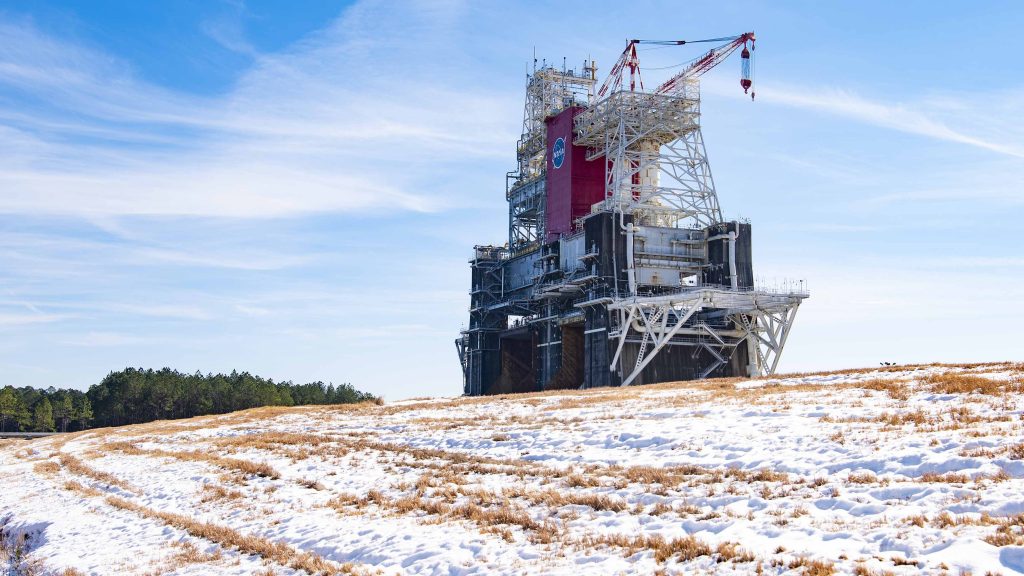
Hancock County, where NASA Stennis is located, received five to seven inches of snow on Jan. 21, 2025, according to the National Weather Service. It marked the most snow Hancock County, Mississippi, has received in 61 years. The Dec. 31, 1963, snowfall holds the record at 10 inches of snow for Bay St. Louis, Mississippi.





Looking Ahead
All in all, the year closes with members of the NASA Stennis team focused on what is to come.
“As we close out 2025, NASA Stennis looks forward to the next chapter of our center as NASA sends astronauts to the Moon to prepare for future human exploration of Mars through the agency’s Artemis campaign,” said NASA Stennis Deputy Director Christine Powell. “We are ready for what’s next.”