Search Engine, our archive and library centre, is a wonderful resource for anyone wanting to research railway history. We welcome visitors from not only all over the country but often much further afield—we have had researchers visiting us from six continents. We love meeting and helping our many visitors, however the time and cost of travelling to carry out research can be prohibitive to many people and so we also try to provide ways to help people remotely.
We are gradually making more of our archives available to access online. The Leonard Raisbeck archive was entirely digitised as part of the cataloguing process after it was acquired in 2019. Our LNER clock registers which were fragile but constantly accessed were also digitised, which has enabled people to research one of the most popular parts of our archives.
Our amazing team of Archive and Library Assistants that provide our Search Engine service are also able to deal with simple and less time consuming remote enquries, but they don’t have the time for carrying out complex research enquries.
We also offer a copying service which can provide copies of archive and library material. This suits people who already know what they want and can identify specific items they need copies of. Sometimes however, it might need further research to identify the correct items.
Since 2010 we have offered a paid research service called Inreach. Inreach is a team of volunteer researchers familiar with our archive and library collections who are able to use those collections to conduct research for people who might find it not possible or too costly to justify a research visit. The fee for half a day of research is £25, which can be a very attractive alternative option to travelling long distances or staying overnight.
The first stage is sending in a research request. The Inreach team will assess what resources we might have that might be able to help and how long it might take to carry out the research task. They can then go back to the enquirer to confirm the cost and if they are happy to proceed, they can pay and the team will carry out the research.
A research log along with details of all the sources they have looked at will be provided. Sometimes when the initial request is assessed it becomes clear that we might not have the resources to provide an answer and will suggest contacting other archives for research instead.
The Inreach Team currently includes Gillian, Harvey, and Richard, who have all been volunteering for many years and have vast experience with researching the many different types of enquiry.

Case Studies
The team had a recent enquiry from a researcher who had spotted from our catalogues that we had a series of “shopping reports” for diesel locomotives at Derby Works. They wanted to get a better idea of what these records might contain along with some sample images of the different types. This would mean they could assess whether the reports may be of value for further research. This is an good example of a scoping exercise where a researcher might be able to plan a visit at a later date to carry out further research, use the Inreach service for more in depth research, order copies via our copying service, or indeed find the records are not what they are looking for after all.

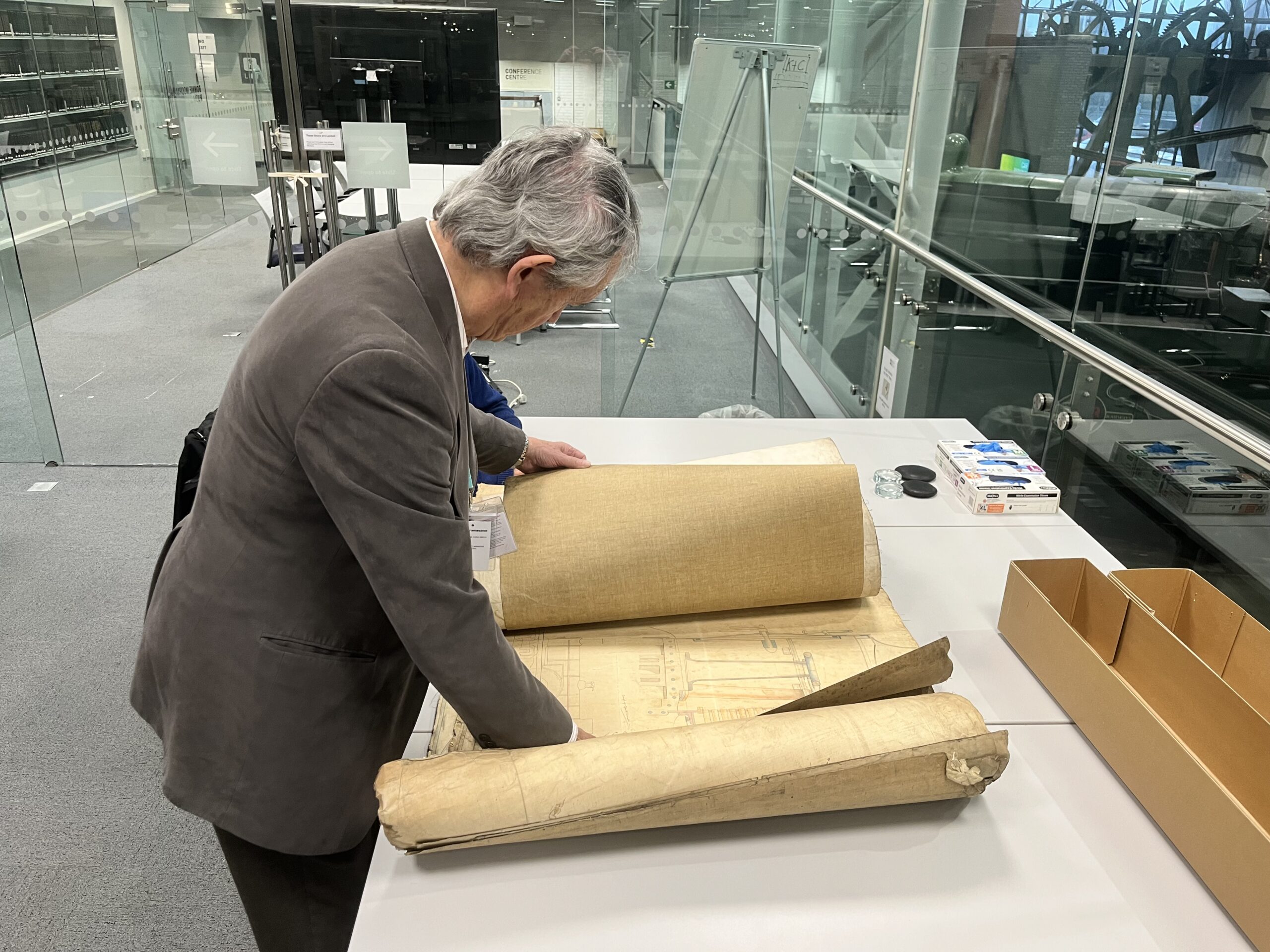
Another recent request was for for the team to look at engineering drawings in our Peckett Archive.
The researcher had visited Search Engine before to look at drawings with a view to ordering copies for a restoration project, but identified further drawings of potential interest. To save another trip to York, the researcher asked the team to look through the drawings and take some photographs and then decide whether to order copies.
Another common type of enquiry is for family history research. While the museum’s archives don’t include a great deal in the way of staff employment records, we do have a collection of railway company magazines that can often be a source of infomation on railway workers with reports of staff promotions, presentations, retirements and much more. The Inreach team can scour the magazines for you if you haven’t got the time to visit!

If you want to get in touch with our Inreach team, you can contact them by emailing Inreach@railwaymuseum.org.uk
Or, you can download a research request form.
The post Remote research—Our Inreach service appeared first on National Railway Museum blog.