An ancient burial ground at Money Hill in Cambridgeshire has been given heritage protection as a scheduled monument by the Department for Culture, Media and Sport on the advice of Historic England.
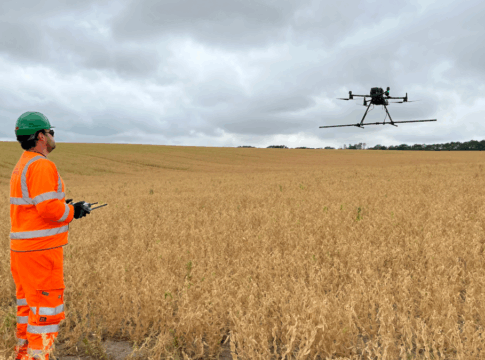
East West Railway Company (EWR Co) has been working alongside Historic England to fully explore and understand this site to ensure that this area is protected during the construction of the new railway. Recent archaeological surveys commissioned by EWR Co and conducted by Wessex Archaeology and Cotswold Archaeology, led to the discovery of additional barrows, bringing the total count from five to 11. The protected area also includes some spaces between the individual barrows where ‘flat burials’ may lie.
Bronze Age cemetery barrows are earthen mounds covering prehistoric burials, that provide extraordinary insight into how our ancestors lived and died. This barrow cemetery represents a significant Bronze Age site with burial mounds varying from 20 to 55 metres in diameter. Advanced geophysical surveys have revealed potential burial pits within some of the ring ditches, while three barrows remain visible as earthwork mounds despite centuries of agricultural activity.
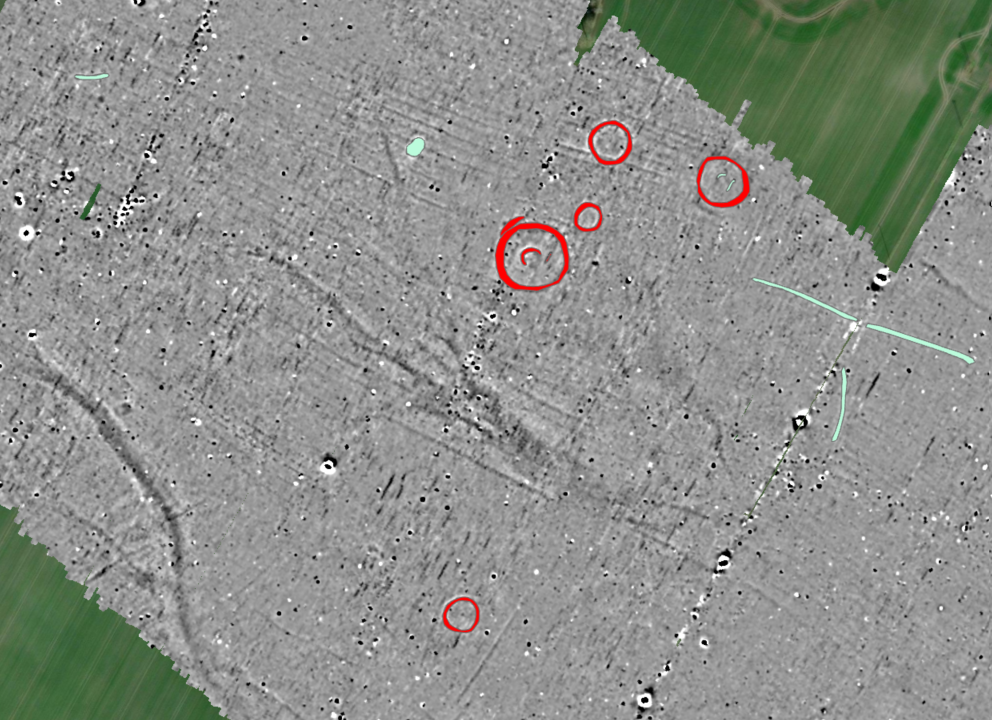
Located on a chalk ridge between Haslingfield and Barrington in Cambridgeshire, the cemetery demonstrates the sophisticated funeral practices of Bronze Age communities. The varied sizes of the individual barrows suggests different approaches to burial rites and indicates that the site was used over many centuries. Round barrow cemeteries are nationally rare, making Money Hill Cemetery particularly valuable for understanding prehistoric communities across England. The site forms part of a multi-period landscape that includes nearby Bronze Age settlements, helping to create a holistic picture of Bronze Age life in Cambridgeshire.
Due to the topography of the land in this area, EWR Co’s proposals have evolved from our original plans to place the railway in a cutting, to a mined tunnel, which with detailed refinements, will now also protect the integrity of this significant site. This heritage protection now means EWR has greater clarity on what our design needs to include and we will continue to consult with Historic England as we develop our designs further.
Tristan Lincoln-Gordon, head of environment, EWR Co, said: “We’ve worked closely with Historic England to assess the remains of the Money Hill barrow cemetery, and we welcome its scheduling. Our proposals have evolved through collaboration to ensure this nationally significant site is protected, demonstrating how development and heritage can successfully coexist.”
Tony Calladine, East of England regional director at Historic England, added: “The ancient burial grounds of Money Hill in Cambridgeshire demonstrate the importance of our historic landscapes and the stories they tell of our ancestors. The archaeological surveys carried out for East West Rail have given an amazing insight into Bronze Age life and led to the protection of this important site, connecting us with communities from the past as the infrastructure project connects people today.
“We’ve welcomed the opportunity to work with the team at East West Rail to develop deeper understanding of this historic place as part of our wider engagement on the railway project. The protection of Money Hill is a result of this joined-up approach.”
Image credit: East West Rail