Rail freight associations in Italy are expressing their concerns over the Swiss new rules for the wheels of freight wagons. The initiative “will cause the majority of the currently operating fleet of carriages to be taken out of service”, said Fermerci, the main industry association in the country.
The new regulation introduced by the Swiss Federal Office of Transport (FOT) entails significant changes to the wheel requirements for freight wagons. A wider diameter and more frequent technical inspections are the main pieces of this puzzle which are causing the biggest worries, especially in Italy.
Fercargo, which groups private rail freight companies, and Assoferr, which groups rolling stock companies, also shared their fears. The former highlighted how such rules need to be adopted on a European level to ensure uniformity. The latter pointed out the paradoxical aspect of such a policy, which will significantly hinder interoperability.
The Swiss decision
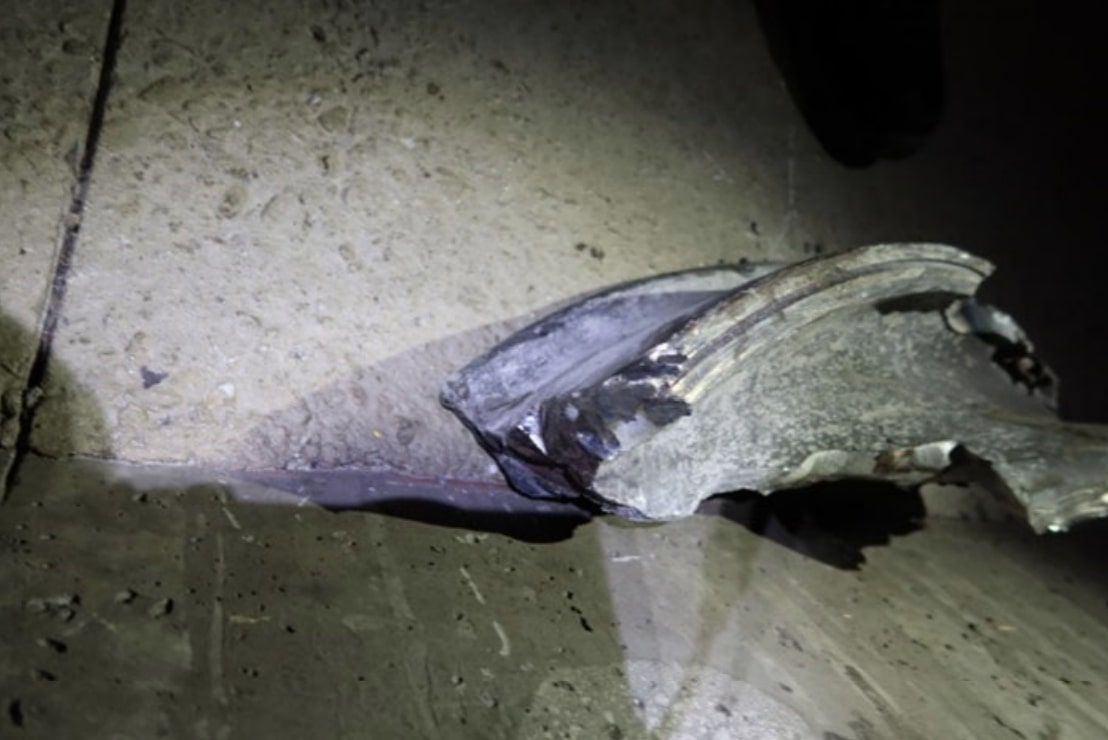
The Swiss FOT decided that, by the end of the year, the minimum wheel diameter for freight wagons will go from 860 to 864 millimetres. Morevoer, inspections will be required after 50,000 or 200,000 kilometres, which is much earlier than the current system. These decision are a direct consequence of the derailment occurred inside the Gotthard Base Tunnel in August 2023, caused by a brake pad on a wheel overheating and the consequent rupture of the wheel itself.
Capacity restrictions in Germany
Another point of concern raised by Fermerci is the large number of infrastructure upgrades that will continue to disrupt traffic, especially in Germany, until the end of the decade. If, on one hand, Italy should finish much of its projects by 2026, 40 lines in Germany will be closed at different intervals between 2027 and 2030. The association defined it as a “highly critical future scenario that is impossible to sustain for all companies in the national and international rail logistics sector.”