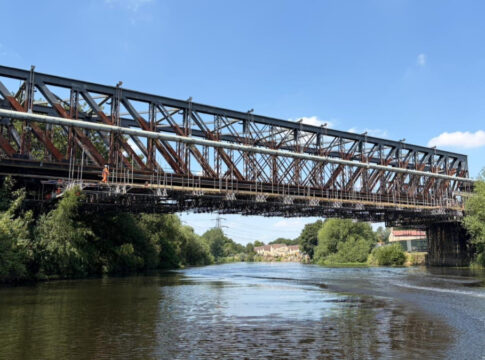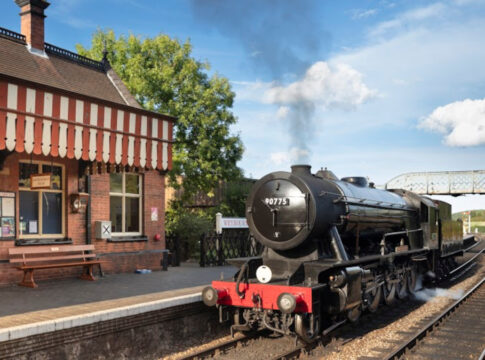
Five heritage railway stations, alongside two other railway sites, have been listed at Grade II by the Department for Culture, Media and Sport on the advice of Historic England, in recognition of their historic and architectural interest and to mark 200 years of the modern railway.
The earliest identified purpose-built railway pub in the world, the first of the Stockton & Darlington Railway’s prototype stations, the Cleveland Bay, has been granted protection, alongside Weybourne Station and Sheringham Station, two village stations important in connecting the agricultural regions, fishing villages and tourist destinations of north Norfolk with the industrial heartland of the Midlands.
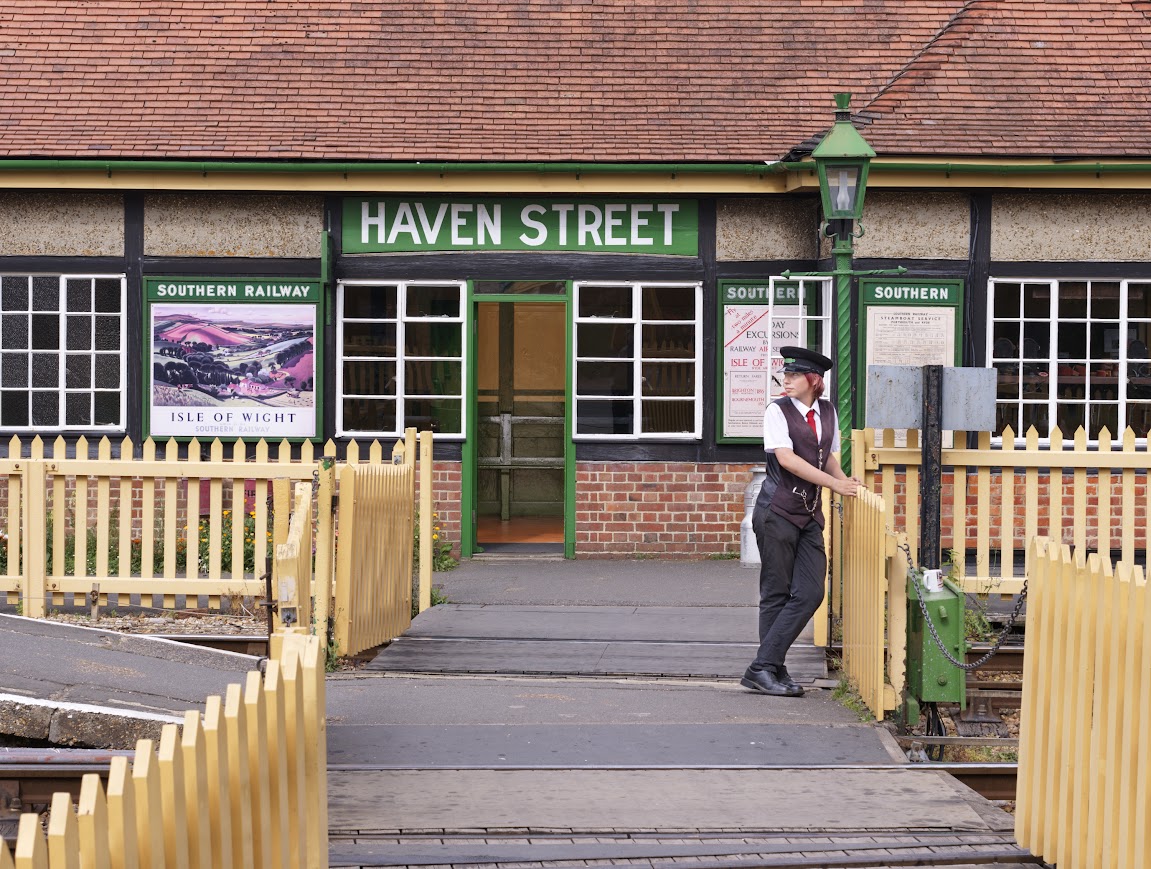
Havenstreet Railway Station on the Isle of Wight, a good example of a single-manned station which would have been operated by a lone railway worker, and Woody Bay Station in Devon, built to a ‘chalet style’ design reflecting the area’s nickname of ‘Little Switzerland’, have also been added to the List.
Two further sites have been listed at Grade II along the Swanage Railway heritage line: Swanage Engine Shed and Turntable, and Northbrook Road overbridge. The construction of Swanage Railway in 1885 contributed to the widespread use of Purbeck stone, and to the development of Swanage as a seaside destination.
These listings celebrate the 200th anniversary of the birth of modern passenger railway services with the opening of the Stockton & Darlington Railway on 27 September 1825; an event which ultimately transformed the world.
The Stockton & Darlington Railway pioneered and influenced the early development of mainline railways. When it opened in 1825, concepts that we now take for granted had not been conceived, including that of the railway station. The Stockton & Darlington Railway shared its experience generously with visiting engineers and railway promoters, and was highly influential in the early development of other railways in England and abroad.
Claudia Kenyatta CBE and Emma Squire CBE, incoming chief executive of Historic England (job share) said: “The development of England’s railway system was one of the greatest achievements of the Victorian era. These new listings highlight key milestones in its growth and demonstrate how the railway has shaped our local places today.
“Every newly listed station announced today is open to the public to visit, so the protection of these sites means that they will continue to be seen and enjoyed by visitors for generations to come.”
Heritage Minister Baroness Twycross said: “These seven sites are stunning examples of our railway heritage. They remind us how vital the railways have been for connecting people across the country, whether it’s for business or pleasure.”
“Listing all of these incredible sites is the perfect way to celebrate Railway 200 and shine a light on the role of railways in shaping our national story over the last two centuries. These listings will ensure they are protected and can be enjoyed for another two hundred years.”
Image credit: Historic England