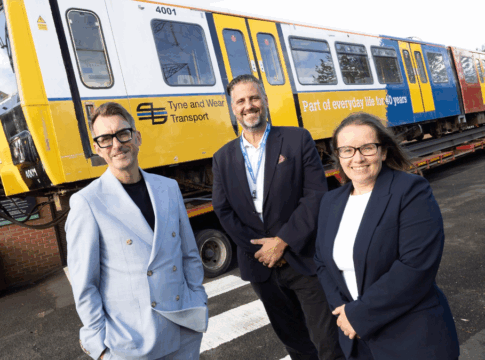
The Tyne and Wear Metro’s first ever train, which dates back to the mid-1970s, is set for a new lease of life with North East Museums.
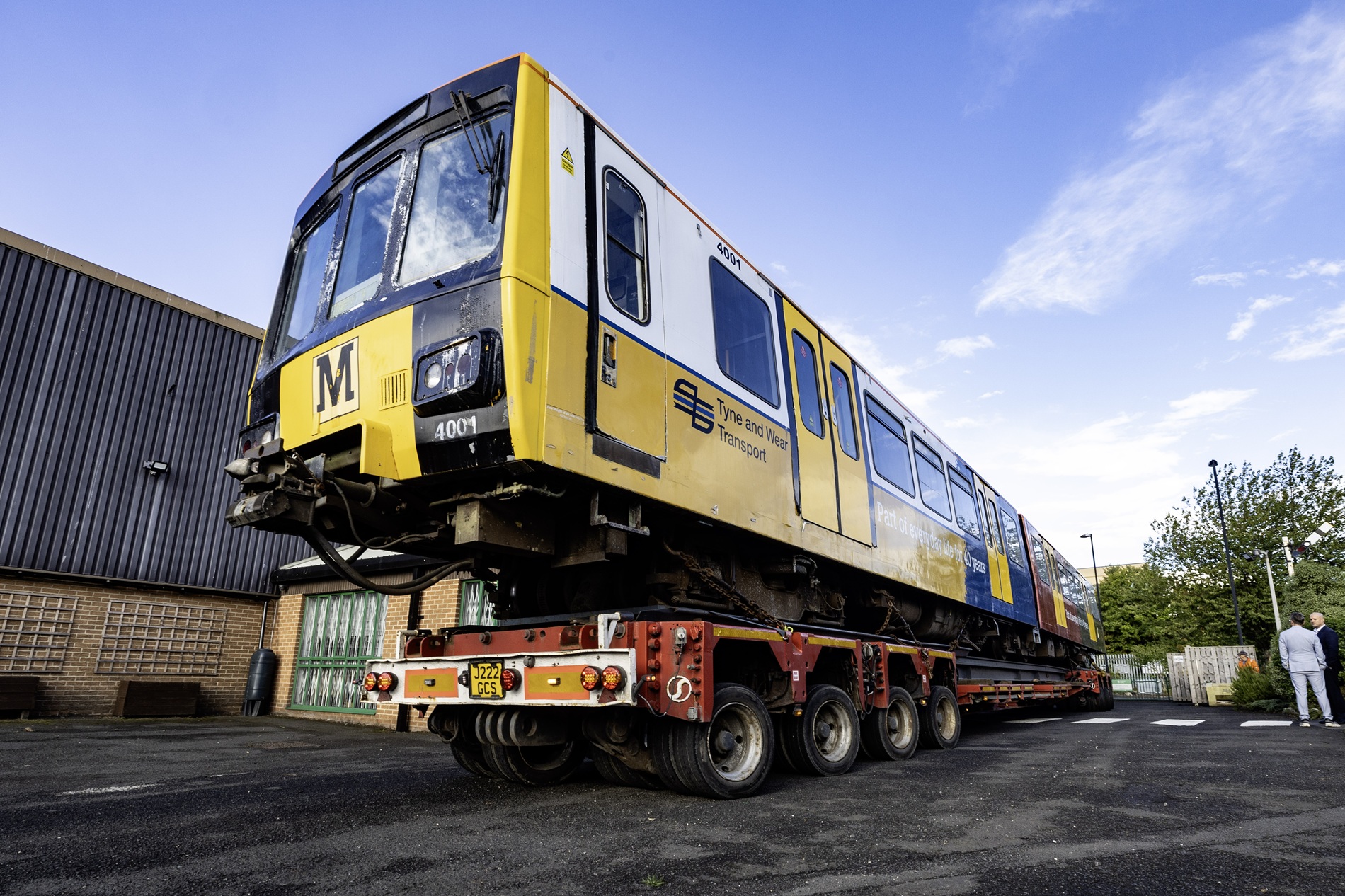
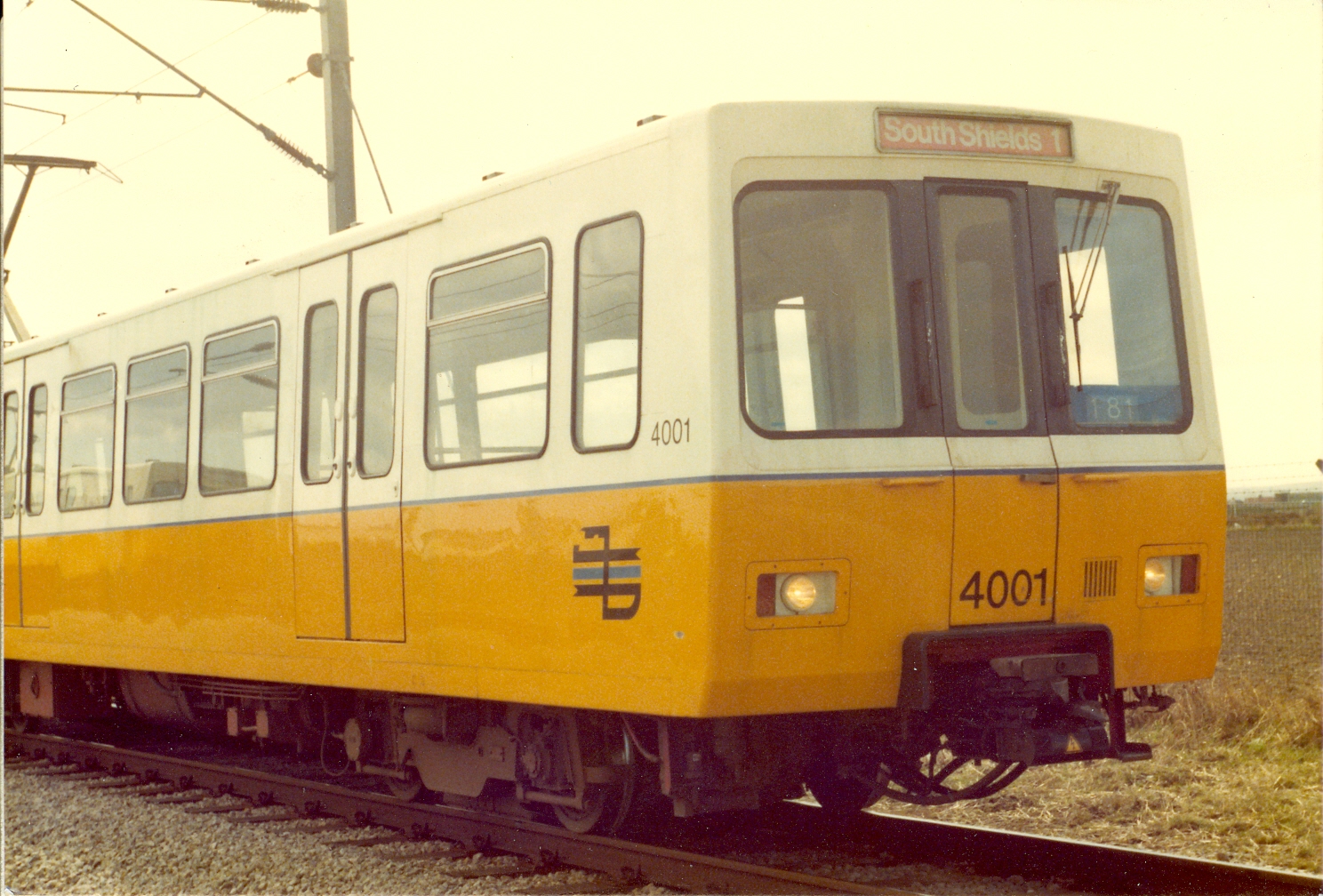
Metro carriage 4001 has been donated to North East Museums by Nexus, preserving a unique part of the region’s railway heritage.
The Stephenson Steam Railway in North Tyneside has taken delivery of the decommissioned carriage which is now 50 years-old, though it will not become an immediate exhibit for the public to go and see.
The train – in the original yellow and white Metro colour scheme – was the first prototype Metro carriage that was delivered to the Metro test track in 1975, five years ahead of the system opening in August 1980.
Nexus, the public body which runs Metro, has ensured that some of the current Metro fleet will be retained for heritage purposes as it gradually gets phased out to make way for the new Stadler Metro trains.
And the move to the Stephenson Steam Railway is a homecoming for the old train, with the site at Middle Engine Lane in North Shields the former site of the Metro test track.
This is where the first two prototypes were tested before entering service on the system.
Cathy Massarella, managing director of Nexus, said: “I’m delighted to say that the first ever Metro train, carriage 4001, has been preserved and will be exhibited at the Stephenson Steam Railway in North Tyneside.
“This was our first ever Metro prototype. It’s given us 50 years of service on our system, first at the test track, and then in service for customers, so it’s only right that it’s being retained for heritage purposes.
“It’s a real homecoming for the train, as the Stephenson museum is based on the site of our old test track, where the train was first delivered in May 1975 for trials and driver training in advance of the Metro system opening to the public.
“Our current trains have been real workhorses over the last four decades. They have helped to change the face of public transport in our region.
“They have given us outstanding service and have clocked up many thousands of miles, running twenty hours a day, seven days a week.
“We rightly celebrate the service of these trains, which do have a heritage value that is being recognised. It’s also vital that we look the future. They have become an increasing maintenance challenge and the new Stadler trains will transform the service for our customers and mark a new era for Metro.”
Paul Patrick, managing director of Stadler Rail Service UK, said: “The old Metro trains have served the area well over the last four decades. They mean a lot to local residents and are an important part of our shared heritage.
“For people like me who’ve worked for a long time at Gosforth depot where they were based, these legacy trains were central to our earlier working life. We have fond memories of them, which we will keep forever. But, it’s time to embrace the future, and we’re delighted to be bringing in the new trains. Technologically sophisticated, reliable and comfortable, they represent a massive leap forward in the north east’s transport offer.
“What we’re also very pleased about it is that a few of the old trains will stay in the region for future generations to learn about and be enriched by. I thank our colleagues at Nexus and at the Stephenson Museum for preserving a little bit of the old Metro system, which was and remains an important part of the region’s lived experience.”
Stephenson Steam Railway is managed by North East Museums on behalf of North Tyneside Council. It is also supported by volunteers from the North Tyneside Steam Railway Association who play a key role in maintaining and operating the heritage railway.
The second Metro carriage, 4020, will also be retained for heritage purposes and will be donated to Beamish Museum in County Durham.
Image credit: Nexus