British rail freight operator GB Railfreight (GBRf) has pledged to run its roster of biomass trains on Hydrotreated Vegetable Oil (HVO). The operator supplies imported biomass pellets, landed at Port of Tyne (mainly from Scandinavia) and Liverpool (from North America). Around 14 trains daily are required to feed the furnaces at the Drax power station complex in Yorkshire.
GB Railfreight (GBRf) has signed a twelve-month agreement with Drax to use HVO for its rail freight services. The 1,800 tonne trains were previously hauled by locomotives running on traditional diesel fuel. HVO has proved a viable alternative to fossil-derived fuel, and has been trialled by other UK operators.
New fuel, new locomotives
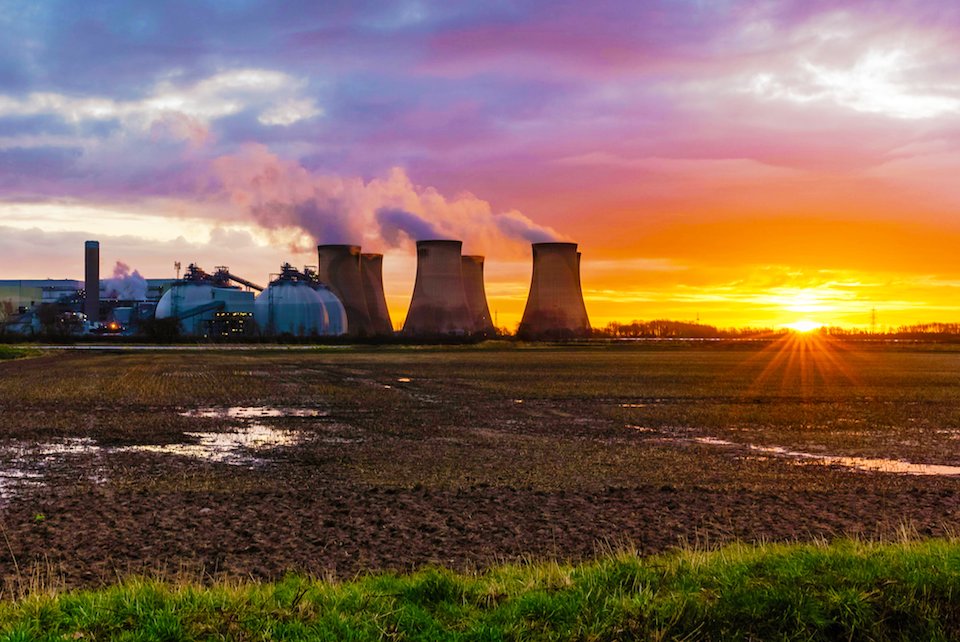
Since 2016, GB Railfreight trains have moved over 15m tonnes of sustainable biomass between Liverpool and Drax. That accounts for 10,000 train journeys, or an average of three journeys per day. Drax, which was converted from a coal burning power station, provides enough power for up to four million homes and businesses. The operators say that equates to around 8 per cent of the UK’s renewable energy and approximately 4 per cent of the country’s total electricity usage.
GBRf has called the HVO agreement a milestone in its decarbonisation strategy. The company also recently announced that its new dual-mode “Class 99” locomotives will run solely on electricity or renewable fuels. HVO is synthetically produced through the hydro-treatment process using vegetable oils or animal fats, which reduces carbon dioxide (CO2) and nitrogen oxide (NOx) emissions when used in diesel locomotives.
GBRf has many initiatives
Rolling stock for the loads is mainly from refurbished coal hopper wagons, re-engineered by the specialists WH Davis, the last remaining freight wagon manufacturer in Britain. Drax has faced criticism over its biomass policy. Some opinions, notably from environmental campaigners Greenpeace, have questioned the effectiveness of using wood pellets. However, the company stood by its claimed benefits, and no one has criticised the use of rail freight throughout the life of the power station.

“We’ve had a strong relationship with Drax for over twelve years, said John Smith, the Chief Executive of GB Railfreight. “We’ve agreed to use HVO to deliver our services. This is one of many initiatives within GB Railfreight’s carbon reduction plan that will support the UK Government achieve its ambitions to make the UK a clean energy superpower.”
“By exclusively using HVO for rail services, we are reducing our supply chain emissions and supporting the transition to cleaner, more sustainable energy solutions”, said Mark Gibbens, Head of Logistics at Drax. “This agreement marks an important step in our commitment to sustainability and innovation in transport. We are proud to continue our long-standing partnership with GB Railfreight, helping drive both energy security and the UK’s decarbonisation goals forward.”