Class M11 is the newest main-line diesel locomotive class of Sri Lanka Railways (SLR). Built in India and delivered between 2018 and 2020, the ten locomotives are the longest in the country’s history, and among the most powerful. Their arrival caused controversy, but today they are a familiar sight at the head of trains on the Northern Line.
Indian locomotives in Sri Lanka
India has supplied locomotives to Sri Lanka for decades. The Class M8 arrived in 1996, followed by the Class M10 in 2012. Both were based on Indian Railways designs built by the Banaras Locomotive Works (BLW) in Varanasi, using engines originally designed by the American Locomotive Company (ALCO).
In March 2017, SLR signed a contract with RITES Ltd, an Indian state-owned company, for six diesel multiple units and ten locomotives. The contract was worth about US$100 million and was funded through Indian concessional financing. The six train sets became the Class S13, and the ten locomotives became the Class M11.
Built in Varanasi
The M11s were built by BLW under India’s “Make in India” programme. Unlike the earlier M8 and M10, they are based on a design from the Electro-Motive Division (EMD) of the United States.
The M11 was developed from Indian Railways’ WDG-4D freight locomotive, which has a 4,500 hp, 16-cylinder EMD 710 engine. For Sri Lanka, BLW used a 12-cylinder version of the same engine, rated at 3,000 hp. The M11 has AC traction motors, controlled by a microprocessor system, with TFT display screens in the cab. It also has dynamic brakes, with the brake resistors mounted on the roof.
After construction, each locomotive travelled by road on a special trailer from Varanasi to Chennai Port, and was then shipped to Colombo.
General Information
|
Detail |
Specification |
|---|---|
|
Builder |
Banaras Locomotive Works, Varanasi, India |
|
Supplied through |
RITES Ltd |
|
Built |
2018–2019 |
|
Delivered |
2018–2020 |
|
Fleet numbers |
949–958 (10 locomotives) |
|
Type |
Diesel-electric, AC traction |
|
Engine |
EMD 12-710G3B-ES, V12, two-stroke |
|
Power output |
3,000 hp (some sources give 3,200 hp) |
|
Wheel arrangement |
Co-Co |
|
Gauge |
5 ft 6 in (1,676 mm) broad gauge |
|
Length |
21 metres |
|
Weight |
120 tonnes |
|
Axle load |
20 tonnes |
|
Maximum speed |
120 km/h |
|
Brakes |
Air brakes only |
|
Status |
In service |
Arrival
The first M11 was sent to Sri Lanka in October 2018. Two more were shipped at the end of February 2019, and the fourth was unloaded at Colombo Port in July 2019, along with the fourth S13 train set. The contract was completed in June 2020, when the last of the ten locomotives had been delivered.
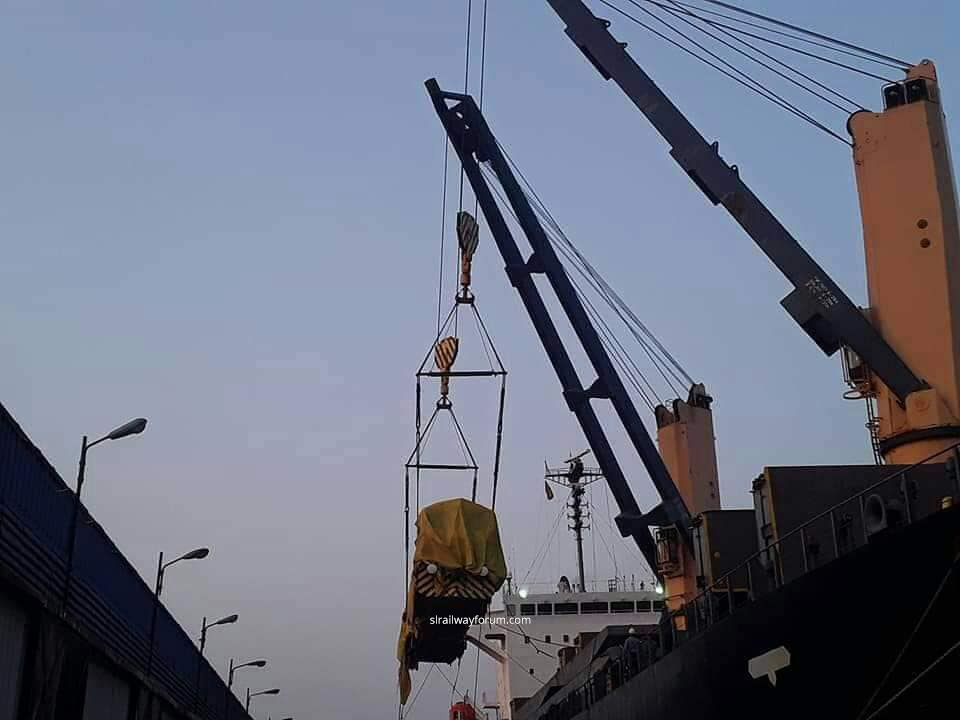
Early concerns
The new locomotives soon drew criticism. In January 2020, railway trade unions said the M11s were not suitable for Sri Lankan tracks. At 21 metres, they were longer than any locomotive in service, and at 120 tonnes they were very heavy. The unions argued that many lines were not maintained to the standard needed for such large locomotives.
The biggest practical problem was braking. The M11s have only air brakes, but most passenger coaches in Sri Lanka at the time, including the Romanian-built fleet, used vacuum brakes. This meant the M11s could only haul the small number of air-braked coaches then available.
On 19 December 2019, M11 No. 953 derailed between Maradana and Dematagoda, closing the line for two days and disrupting the Puttalam and Kelani Valley lines. The unions also raised allegations about the purchase, but railway officials said these claims were baseless.
New coaches, new role
The braking problem was solved with new coaches. Under a separate Indian line of credit, the Integral Coach Factory (ICF) in Chennai supplied 160 air-braked passenger coaches to Sri Lanka between 2020 and 2022, mainly for the Northern and Coastal lines.
With these coaches, the M11s found their place. They now haul long express trains on the Northern Line, including services between Colombo Fort, Jaffna and Kankesanthurai, such as the Yal Devi. Their power allows them to pull long trains at speed on the upgraded track to the North. Because of their length and weight, they are not used on the hill-country section of the Main Line.
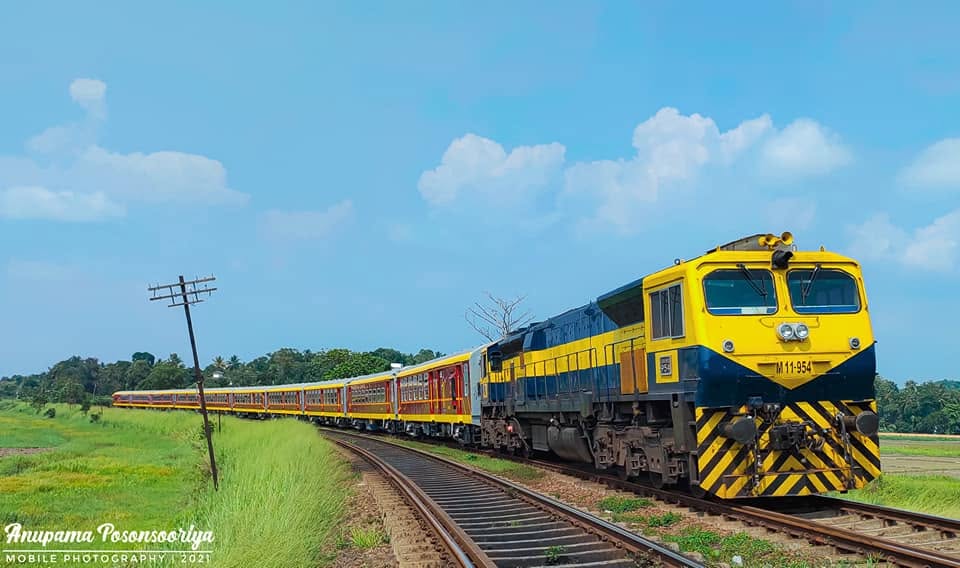
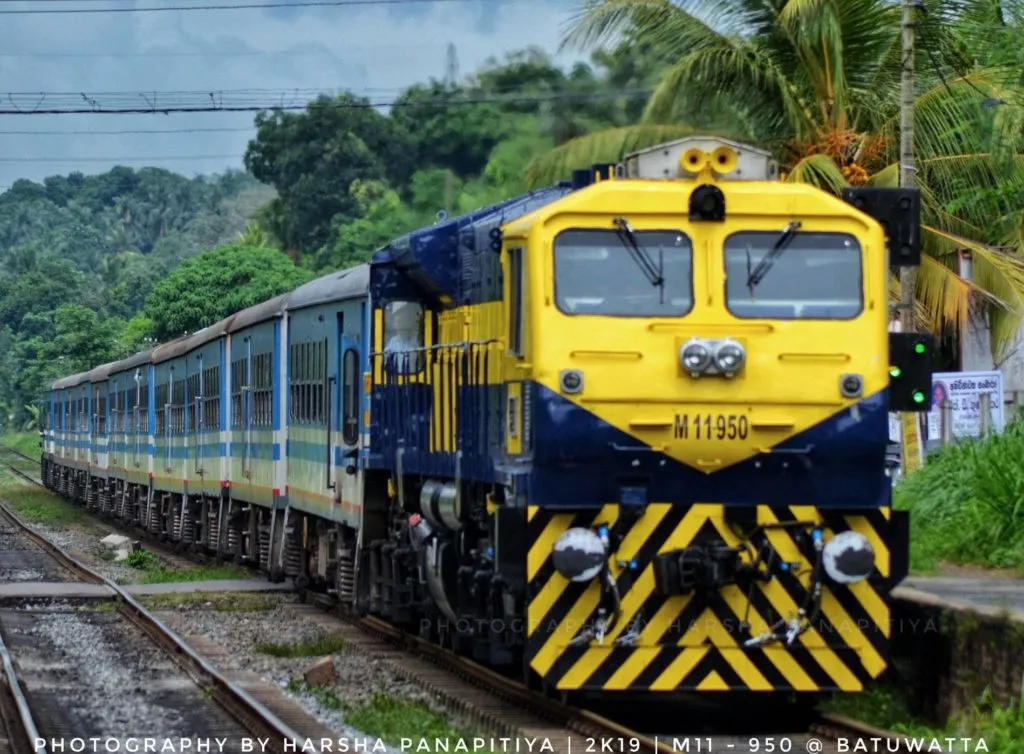
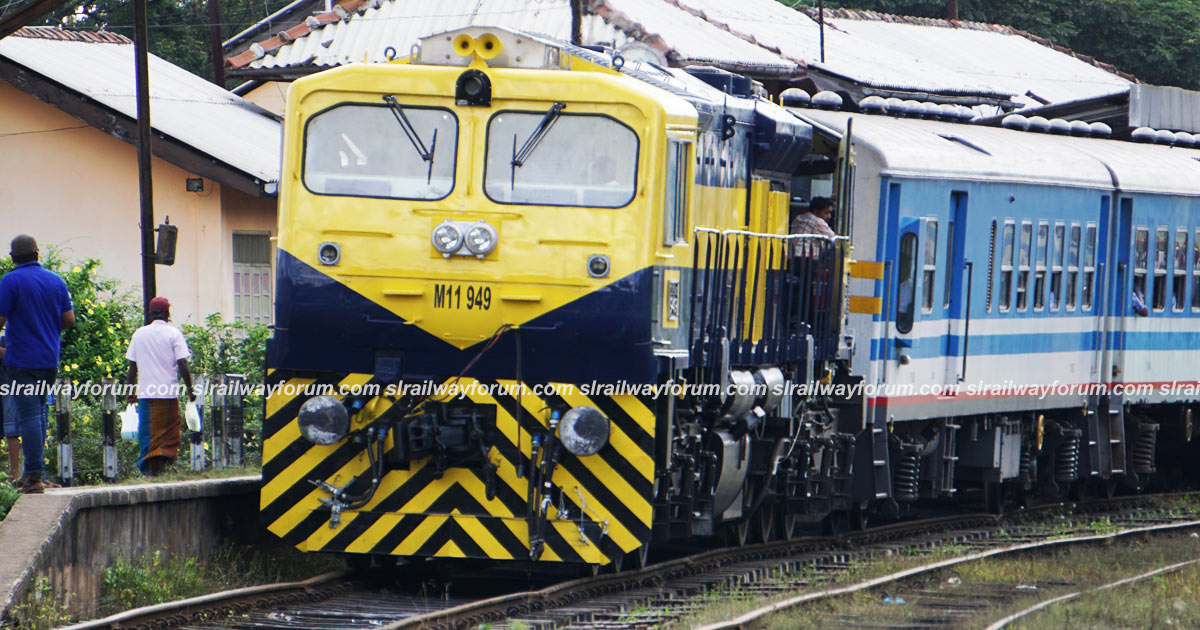
From a controversial start, the M11 has become one of the most important locomotive classes on Sri Lanka’s railways.
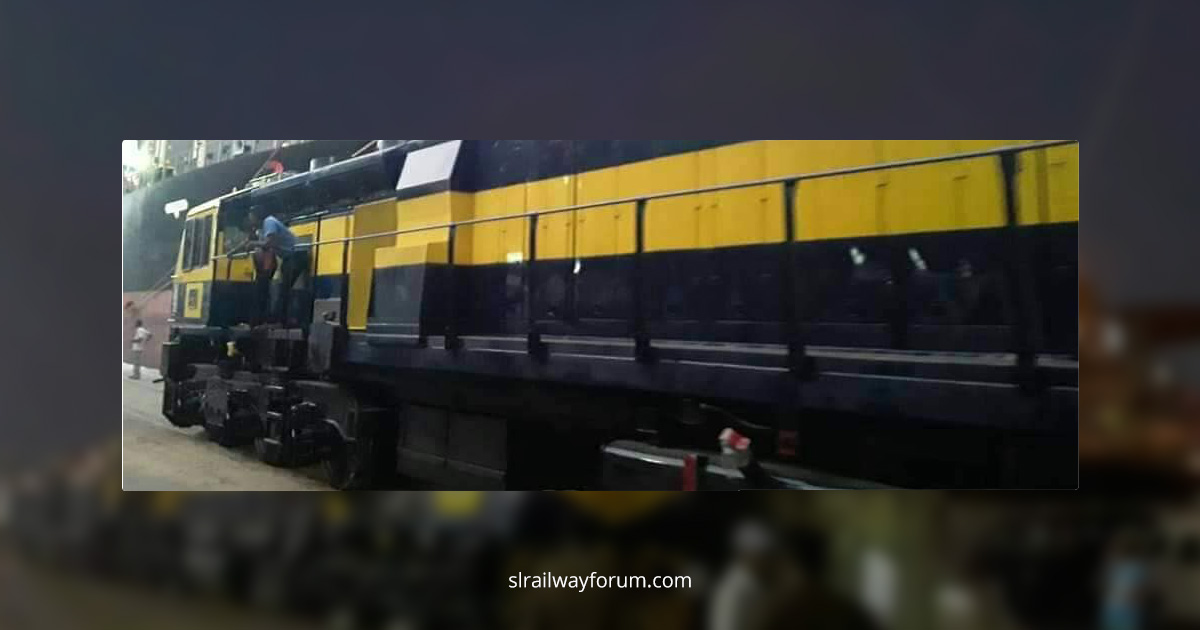 Class M11 950 Lands in Sri Lanka
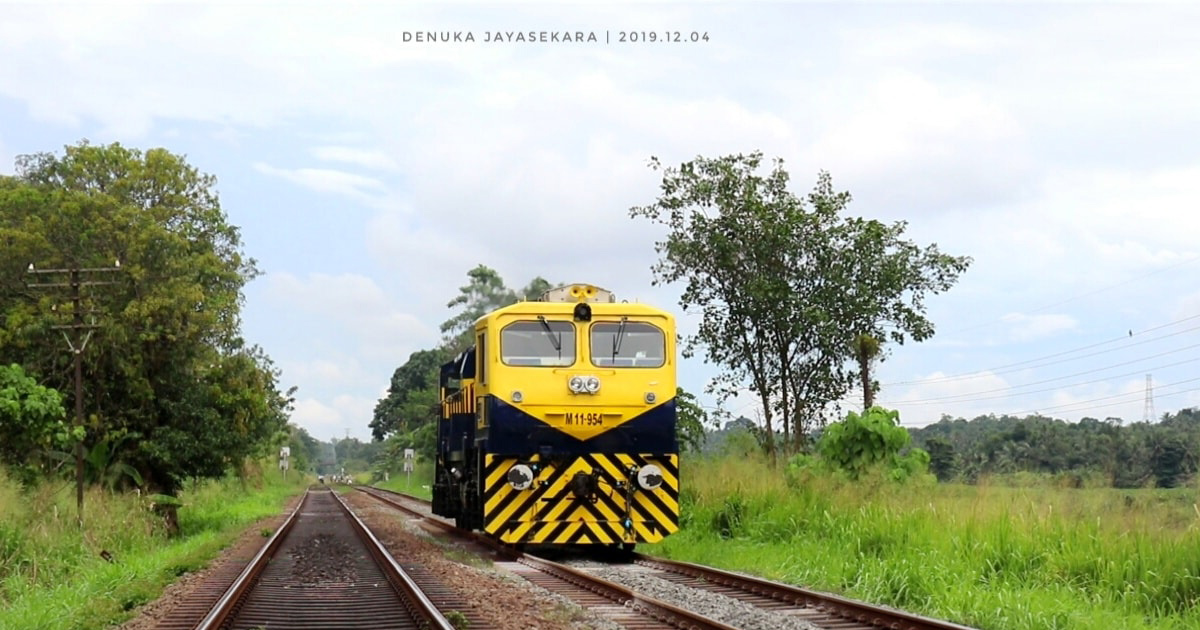 Class M11 954 Trial Run
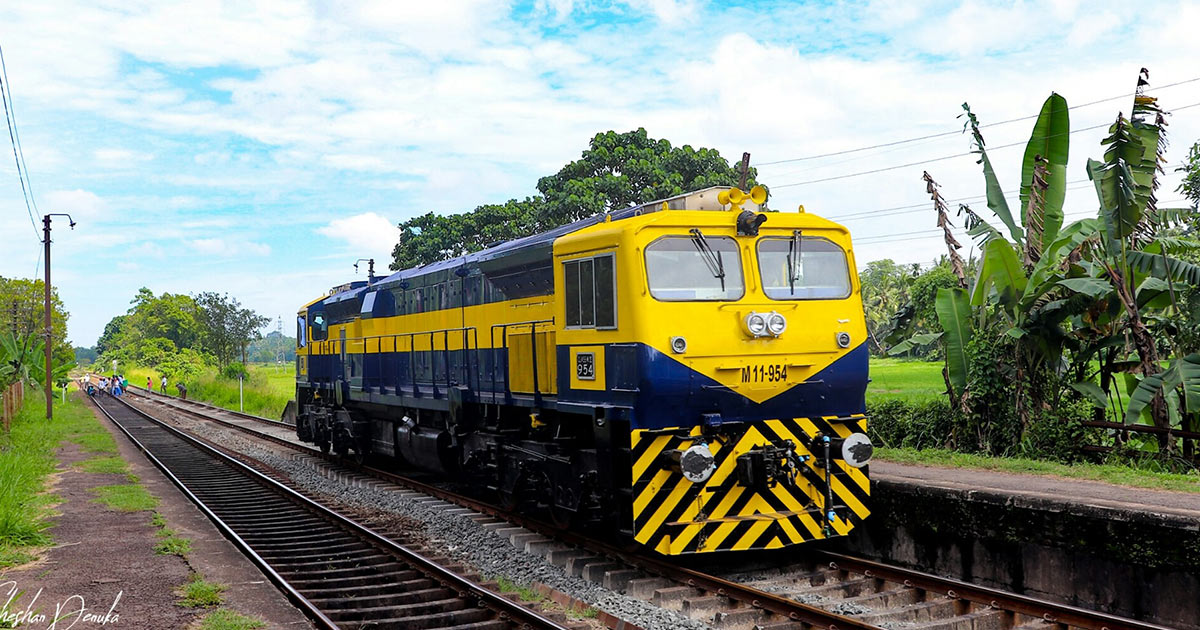 Class M11 954 Second Trial Run
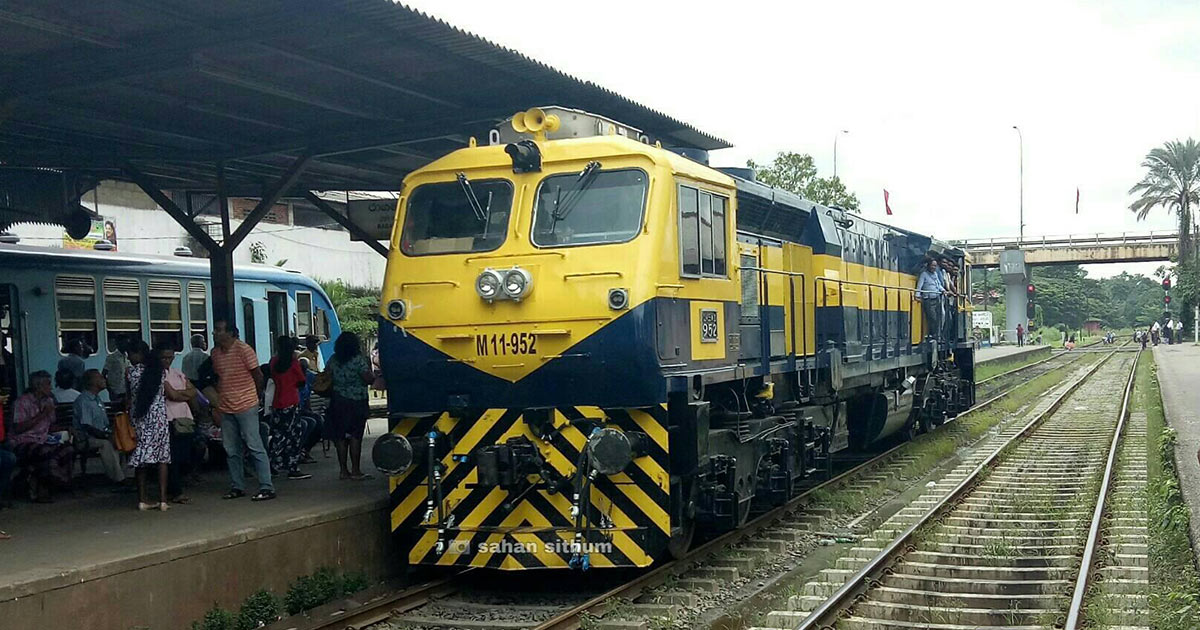 Class M11 952 Trial to Polgahawela
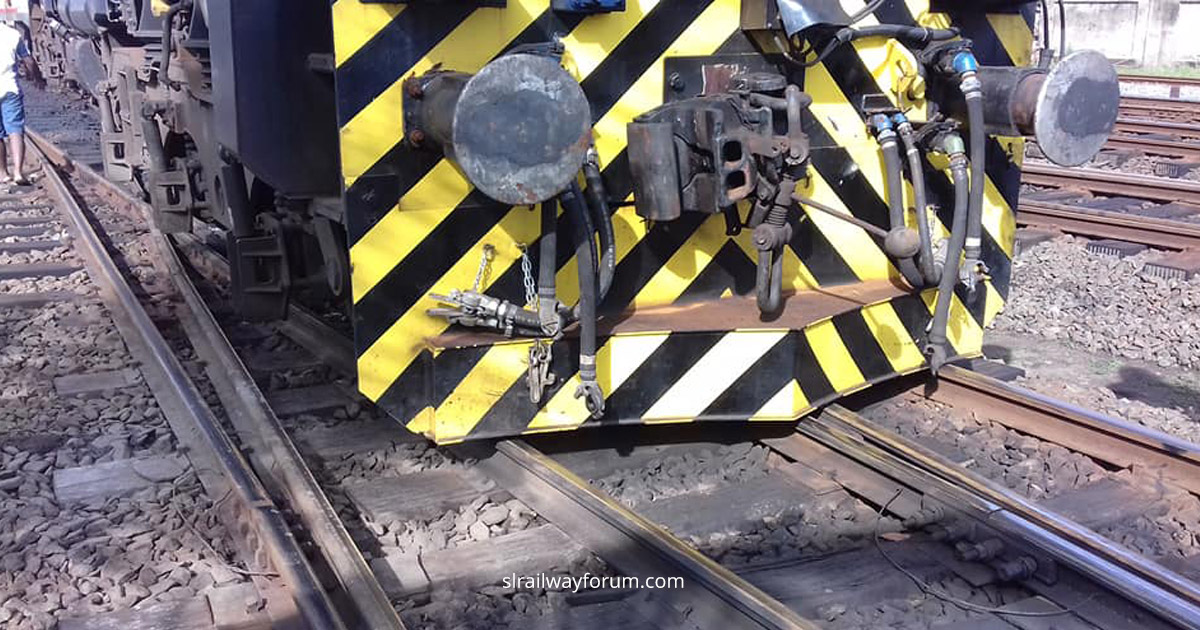 Class M11 949 Derailed Near Maradana